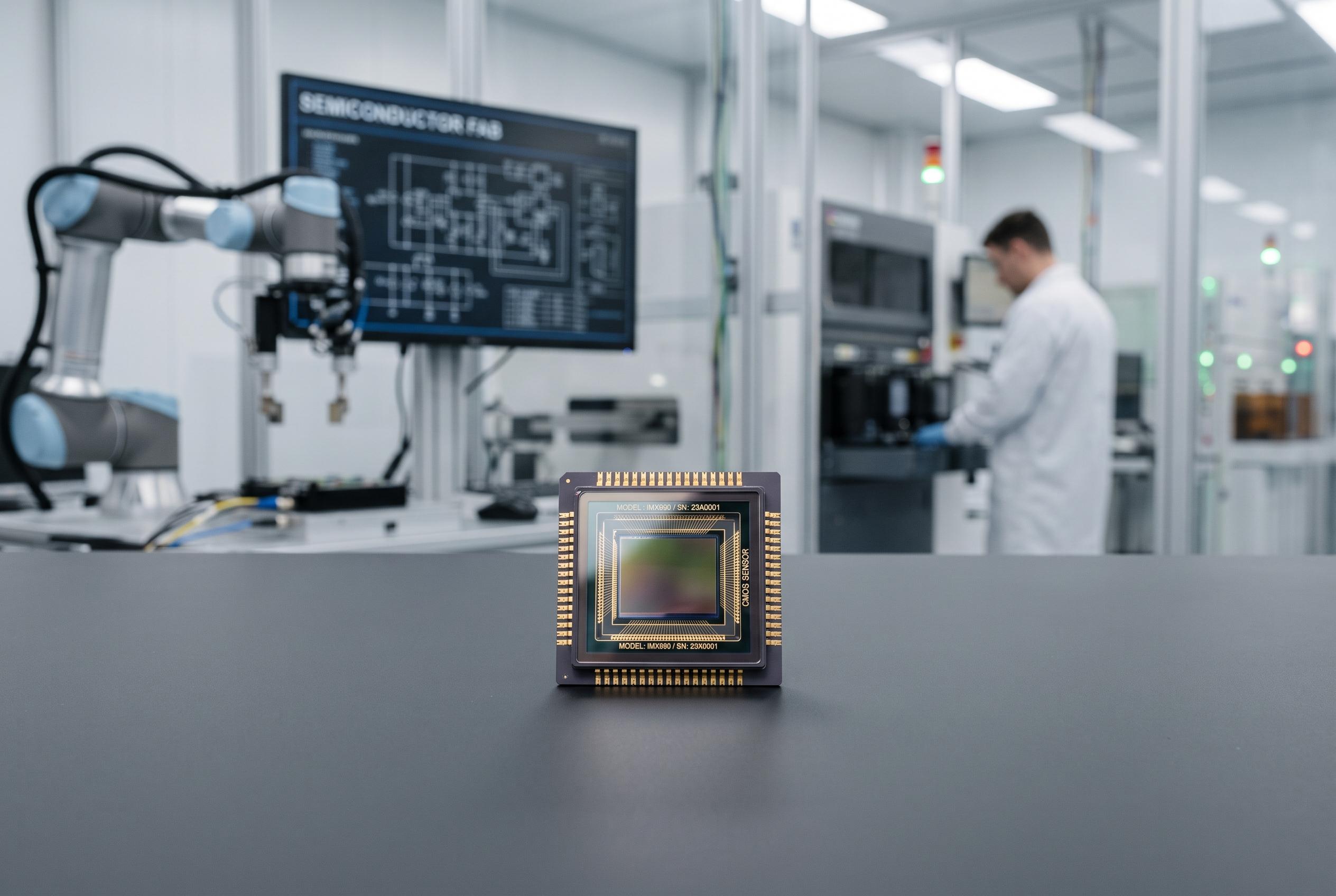

Sony and Taiwan Semiconductor Manufacturing Company have announced a joint venture to develop cutting-edge image sensors, with a $4.69 billion investment, potentially transforming smartphone and AI hardware from 2029.
Sony and Taiwan Semiconductor Manufacturing Company have agreed in principle to form a joint venture to develop and make next-generation image sensors, deepening a partnership that could shape the future of smartphone and machine vision hardware. According to company statements, the plan remains subject to a definitive binding agreement and standard closing conditions. Sony would hold the majority stake and control the venture.
The proposed business, to be called Advanced Vision Semiconductor Manufacturing Corp, is expected to be based at Sony’s newly built facility in Koshi City, Kumamoto Prefecture. Sony Semiconductor Solutions said the arrangement is designed to combine its sensor design expertise with TSMC’s process technology and manufacturing capability. TSMC described the tie-up as part of a wider effort to improve image sensor performance.
Financial terms point to a substantial long-term commitment. The venture is expected to total about $4.69 billion, with Sony contributing $2.92 billion through cash and asset transfers and TSMC putting in about $1.77 billion. Both companies have said they will need support from the Japanese government if the plant is to reach full production capacity. Volume output is currently expected in 2029.
The partnership is aimed first at smartphones, where Sony already has a dominant position in image sensors by value. But the companies have also said they want to explore broader uses in physical AI, including automotive and robotics. That widens the significance of the deal beyond phone cameras and suggests Sony is working to secure manufacturing capacity well ahead of the next product cycle.
Disclaimer: This content is intended for informational purposes only. Readers are advised to exercise their own judgement, conduct due diligence, or consult a qualified expert before acting on any information provided.