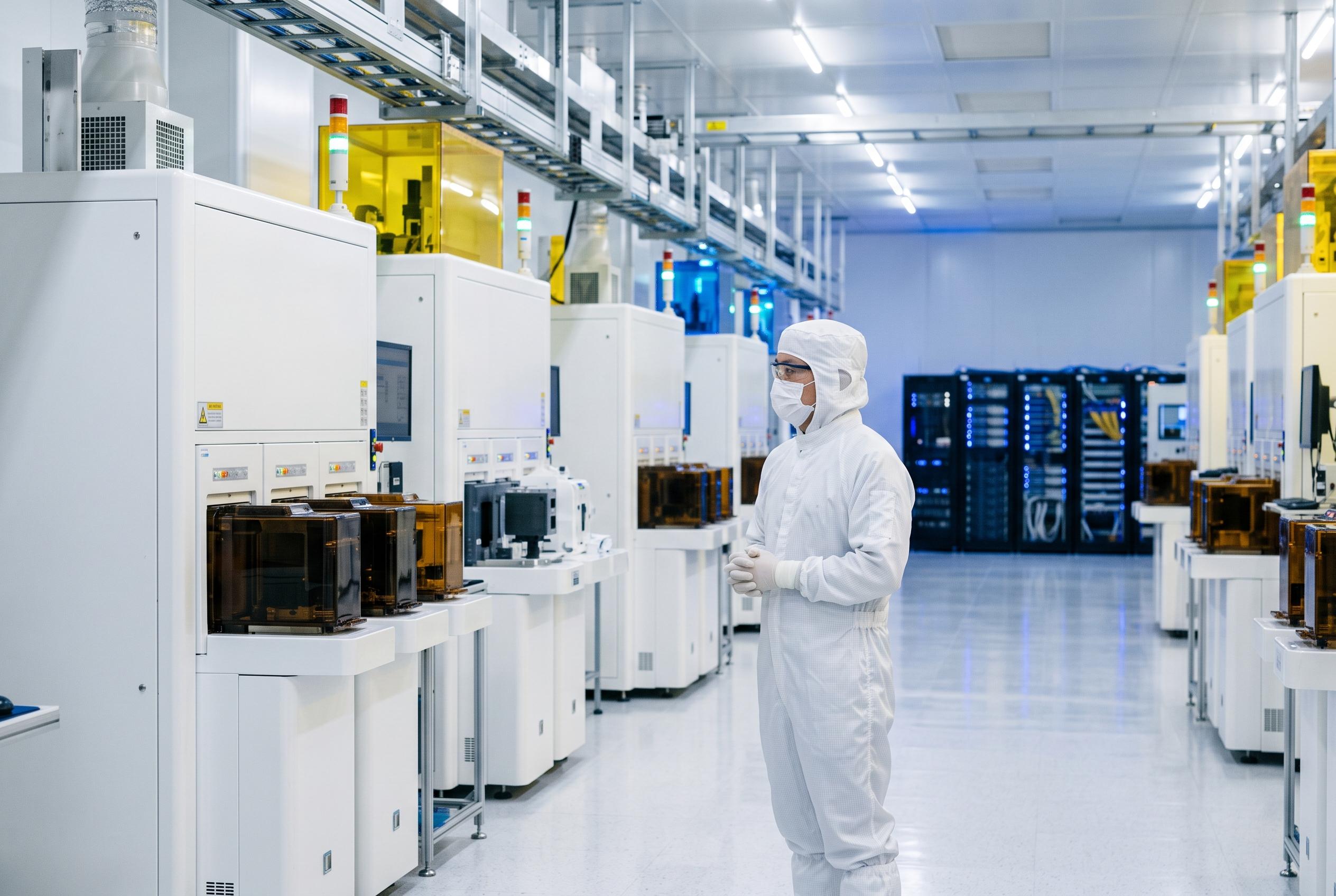

Semiconductor Manufacturing International Corp increases prices on its key capacity amid escalating AI-related orders, boosting revenue and highlighting supply constraints in the industry.
Semiconductor Manufacturing International Corp has lifted prices on its most in-demand capacity as artificial intelligence demand continues to strain chip supply, the Chinese foundry said on Friday. Co-chief executive Zhao Haijun said the company had already completed price talks with customers in the first quarter and would charge more for wafers processed in the third quarter, arguing that SMIC still priced well below leading industry levels. “We believe we’ve reached top-tier industry standards in these areas,” Zhao said.
The pricing move came alongside a strong second quarter, in which revenue topped $3 billion for the first time and profit attributable to shareholders tripled to $479.2 million, both above average analyst forecasts compiled by LSEG. SMIC shipped 2.9 million 8-inch-equivalent wafers, up 14% from the previous quarter, while the average selling price rose 5.7%. The company said the increase reflected tight supply chains and brisk orders linked to AI-related applications, particularly from domestic Chinese customers.
SMIC remains the only Chinese foundry able to mass-produce logic chips such as CPUs and GPUs on a 7-nanometre process, giving it a strategic role in China’s push to reduce dependence on overseas suppliers. China accounted for 90% of second-quarter revenue, while the United States contributed 8%. Monthly production capacity rose to 1.1 million 8-inch-equivalent wafers and utilisation reached 93.7%, a level that suggests the company is running close to full capacity. SMIC also added 8,000 wafers of monthly 12-inch capacity during the quarter.
The broader semiconductor market is showing similar pressure points. Tom’s Hardware reported in December 2025 that SMIC had already raised wafer prices by about 10%, particularly for memory-related products, as domestic demand and high factory utilisation tightened availability. Axios reported this week that AI-driven demand is pushing memory prices higher across the industry, a trend some analysts have described as “chipflation”. SMIC said it expects AI demand to keep underpinning orders in the second half and plans to adjust existing capacity while accelerating new lines to ease supply constraints.
Disclaimer: This content is intended for informational purposes only. Readers are advised to exercise their own judgement, conduct due diligence, or consult a qualified expert before acting on any information provided.