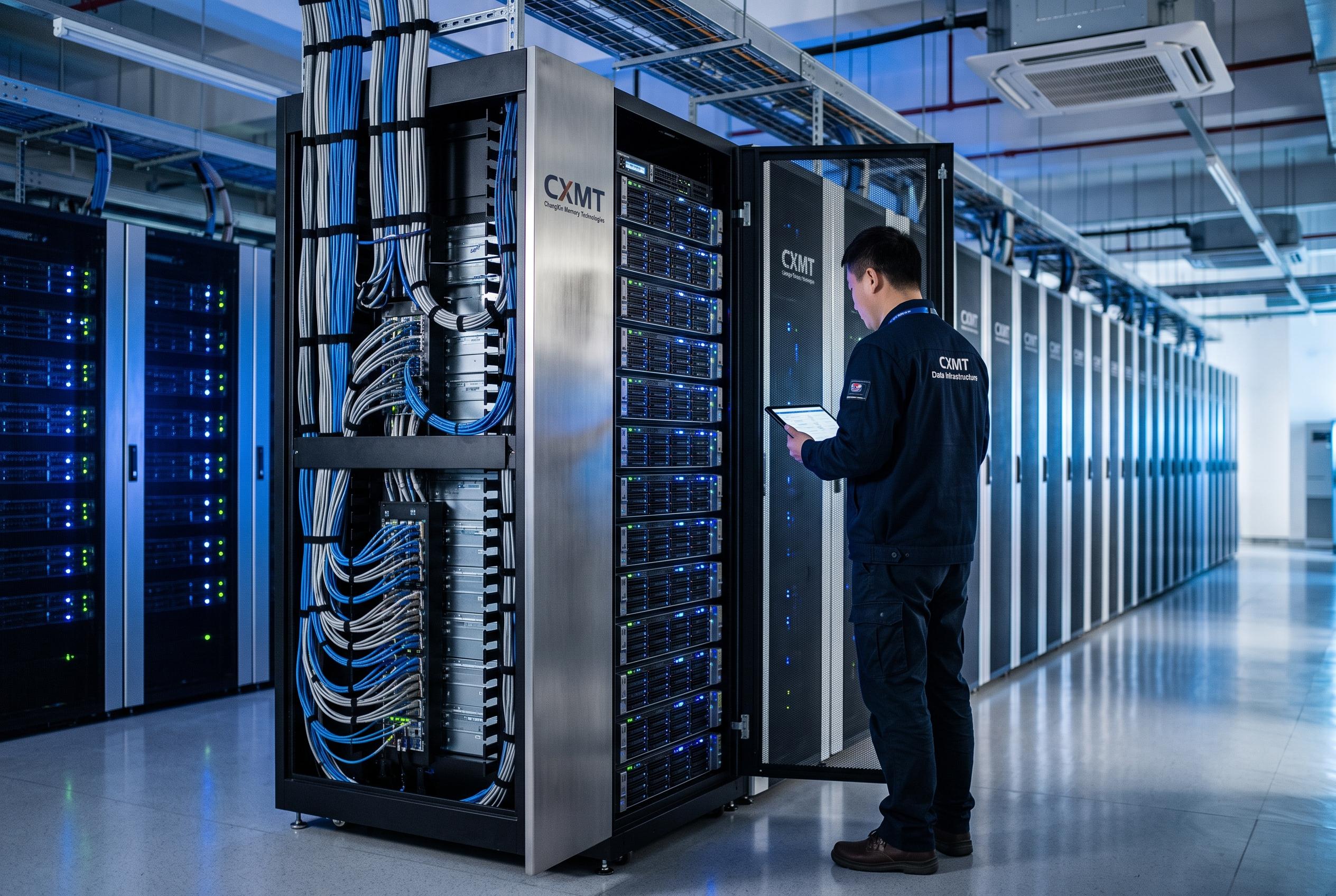

ChangXin Memory Technologies has become the world’s fourth-largest memory chip producer amid a global shortage driven by AI demand, with supply constraints expected to persist until at least 2030, impacting consumer electronics and industries worldwide.
The global shortage of memory chips, driven largely by demand from artificial intelligence data centres, is creating one of the clearest winners in the semiconductor industry: ChangXin Memory Technologies. According to reporting cited by Al Sharq from Forbes, the Chinese memory maker has surged in value since its latest Shanghai listing, pushing its founder and chief executive, Zhu Yiming, into billionaire territory as investors bet that supply constraints will keep pricing firm.
ChangXin is now described as the world’s fourth-largest memory chip producer, behind Samsung, SK Hynix and Micron. Forbes said the company has captured about 8% of global memory sales in 2026, while Tom’s Hardware reported that it has become China’s most valuable company, overtaking Tencent after a heavily oversubscribed initial public offering. The same report said the listing raised about $8.6 billion and was followed by major supply deals with large technology groups.
Zhu’s rise has also drawn attention because of his unusual background. The Times reported that he studied in the United States after earning degrees in physics at Tsinghua University, later worked in Silicon Valley and then returned to China as part of a wider reverse flow of talent. Bloomberg has said his fortune is now tied closely to China’s strategic aim of strengthening domestic supply chains, and that he previously agreed to forgo a salary until the business became profitable.
Yet the broader market picture remains difficult for consumers and hardware makers. PC Gamer and Tom’s Hardware have both reported that memory supply is tight across the industry, with relief unlikely before late 2027 and possibly not until 2030. Digital Camera World said NAND flash shortages are also pushing up prices for products such as memory cards, SSDs and phones, while TechSpot and XDA Developers reported sharp jumps in DDR5 pricing in 2026. Investing.com has warned that the smartphone market could contract this year as the shortage spreads beyond servers into consumer devices.
Disclaimer: This content is intended for informational purposes only. Readers are advised to exercise their own judgement, conduct due diligence, or consult a qualified expert before acting on any information provided.