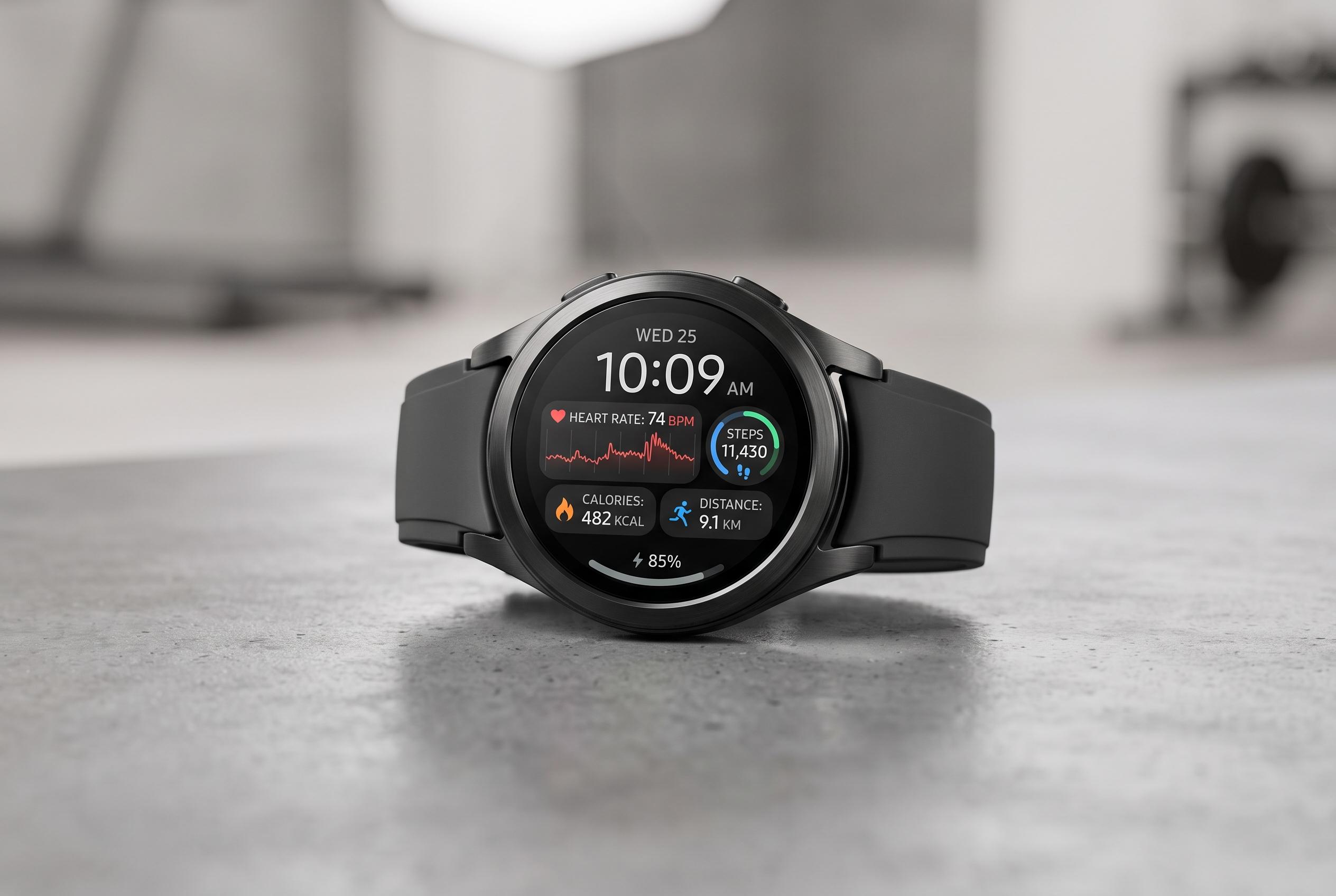

In the second quarter of 2026, global wearable band shipments dipped slightly, but the market’s focus shifted towards premium sports watches and minimalist trackers, with Apple maintaining its lead and Garmin expanding rapidly amid rising consumer demand for advanced fitness metrics.
Global wearable band shipments fell by 2% year on year in the second quarter of 2026, but the market is increasingly splitting between two clear winners: minimalist screenless trackers and premium sports watches. According to Omdia, buyers are either choosing devices that can be worn continuously with little distraction, or moving up to richer watches that deliver deeper performance data, improved accuracy and longer battery life.
That shift has favoured smartwatches. Omdia said smartwatch shipments rose 6% in the quarter as interest strengthened in sports-oriented models. By contrast, basic bands declined 9%, with manufacturers adjusting launch cycles and product timing, while basic watches fell 3%, reflecting softer demand in markets such as India.
Apple remained the largest smartwatch supplier, with 46% of global shipments. Garmin delivered the sharpest gain among major rivals, lifting its share to 15% and drawing close to Samsung, which ranked second. Omdia said Garmin’s progress was driven by runners, cyclists and outdoor users, but also by a push to make its Forerunner line more approachable for a wider audience.
The firm said Garmin’s momentum underlines a broader willingness among consumers to pay more for trusted training metrics and practical insights. Garmin’s own second-quarter results, announced in July, support that view: the company reported record revenue of about $2.02 billion, along with record operating income, while also expanding its sports software footprint through the acquisitions of TrainingPeaks and TrainHeroic.
Outside smartwatches, Huawei led the wider wearable band market with an 18% share. Screenless fitness trackers were a notable bright spot, accounting for more than 15% of basic band shipments in the quarter. Omdia said rising memory and storage costs are also pushing retail prices higher, which may further reward brands that can justify premiums through ecosystem links, AI features, battery life and better health data. That strategy is already visible in products such as Google’s Pixel Watch 5, which arrived with a higher price and a stronger emphasis on AI rather than major hardware changes.
Disclaimer: This content is intended for informational purposes only. Readers are advised to exercise their own judgement, conduct due diligence, or consult a qualified expert before acting on any information provided.