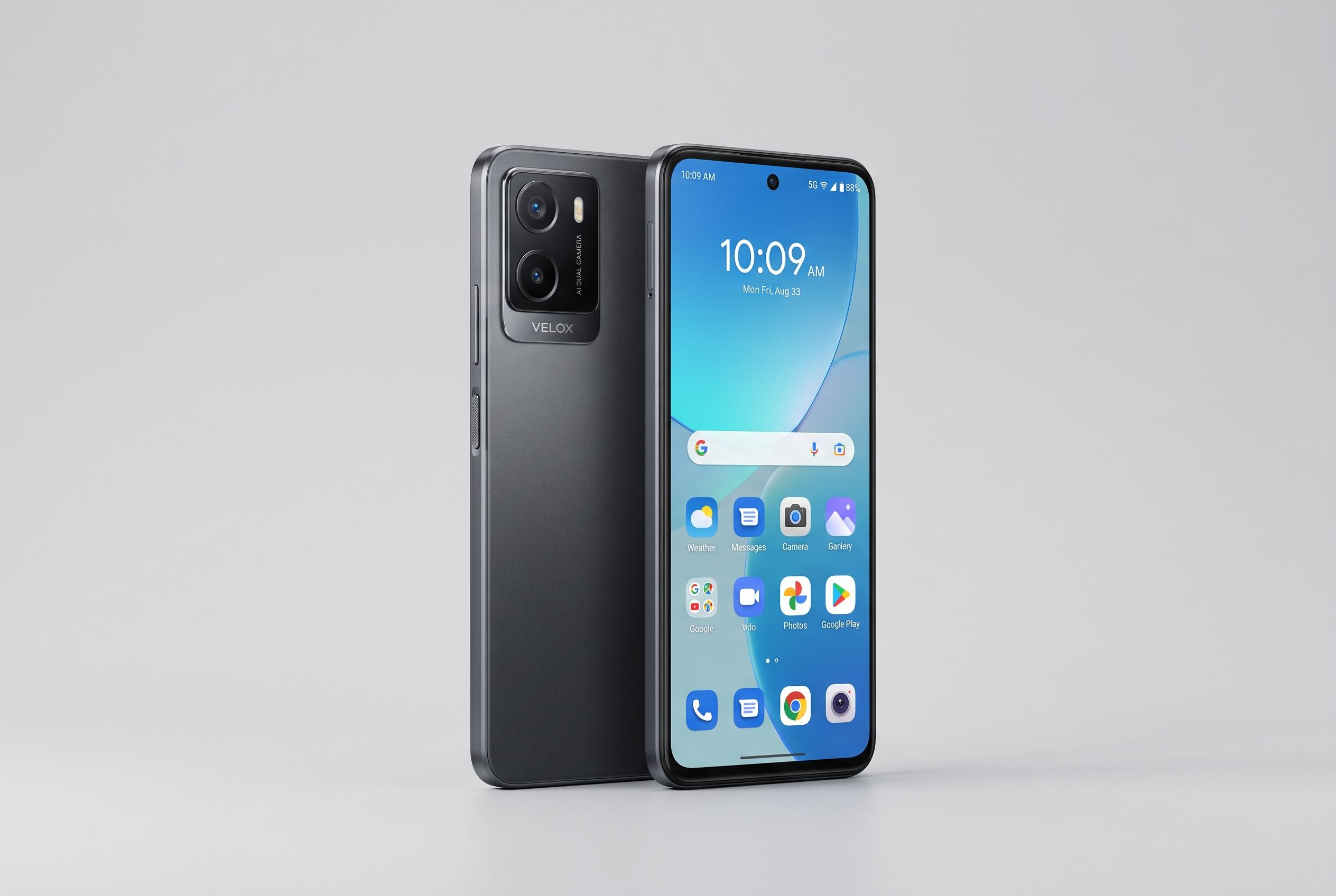

A sharp increase in memory costs is dramatically reshaping India’s entry-level smartphone market, pushing devices above ₹10,000 and squeezing affordability, as manufacturers grapple with rising component expenses and softer demand.
India’s entry-level smartphone market is being reshaped by a steep rise in memory costs, with devices priced below ₹10,000 losing ground rapidly as manufacturers struggle to keep them viable. Business Standard, citing Counterpoint Research, said the segment’s share of total smartphone sales fell from 18 per cent in the third quarter of calendar 2025 to just 4 per cent by the second quarter of 2026.
Counterpoint analyst Shubham Singh told Business Standard that memory inflation is forcing original equipment manufacturers to move models into higher price bands rather than absorb the extra cost. The report said memory now accounts for more than 45 per cent of the bill of materials in entry-level phones, up from 15-20 per cent a year earlier, leaving little scope for brands to trim other specifications without hurting margins.
The strain is spreading across the wider market. Business Standard reported that average handset prices have risen 15 per cent and could climb a further 5-7 per cent next quarter. Its earlier coverage in April said India’s smartphone market had already contracted in the first quarter of 2026, its weakest performance in six years, as higher component costs and softer demand weighed on shipments.
The biggest beneficiaries of the shift are the ₹20,000-30,000 and ₹30,000-45,000 bands, which have taken volume from the bottom of the market. Even so, the entry-level category is not disappearing overnight. India’s smartphone ecosystem has previously shown it can make advanced features affordable at the low end, including 5G devices under ₹10,000, after chipmakers such as Qualcomm and MediaTek worked with handset makers to bring costs down. But the current memory squeeze, intensified by competing demand from artificial intelligence and data centres, suggests that era is under severe pressure.
Disclaimer: This content is intended for informational purposes only. Readers are advised to exercise their own judgement, conduct due diligence, or consult a qualified expert before acting on any information provided.