
As modern baby monitors collect extensive family data and connect with cloud platforms, new security vulnerabilities have emerged, risking unauthorised access and data breaches affecting over a million devices worldwide.
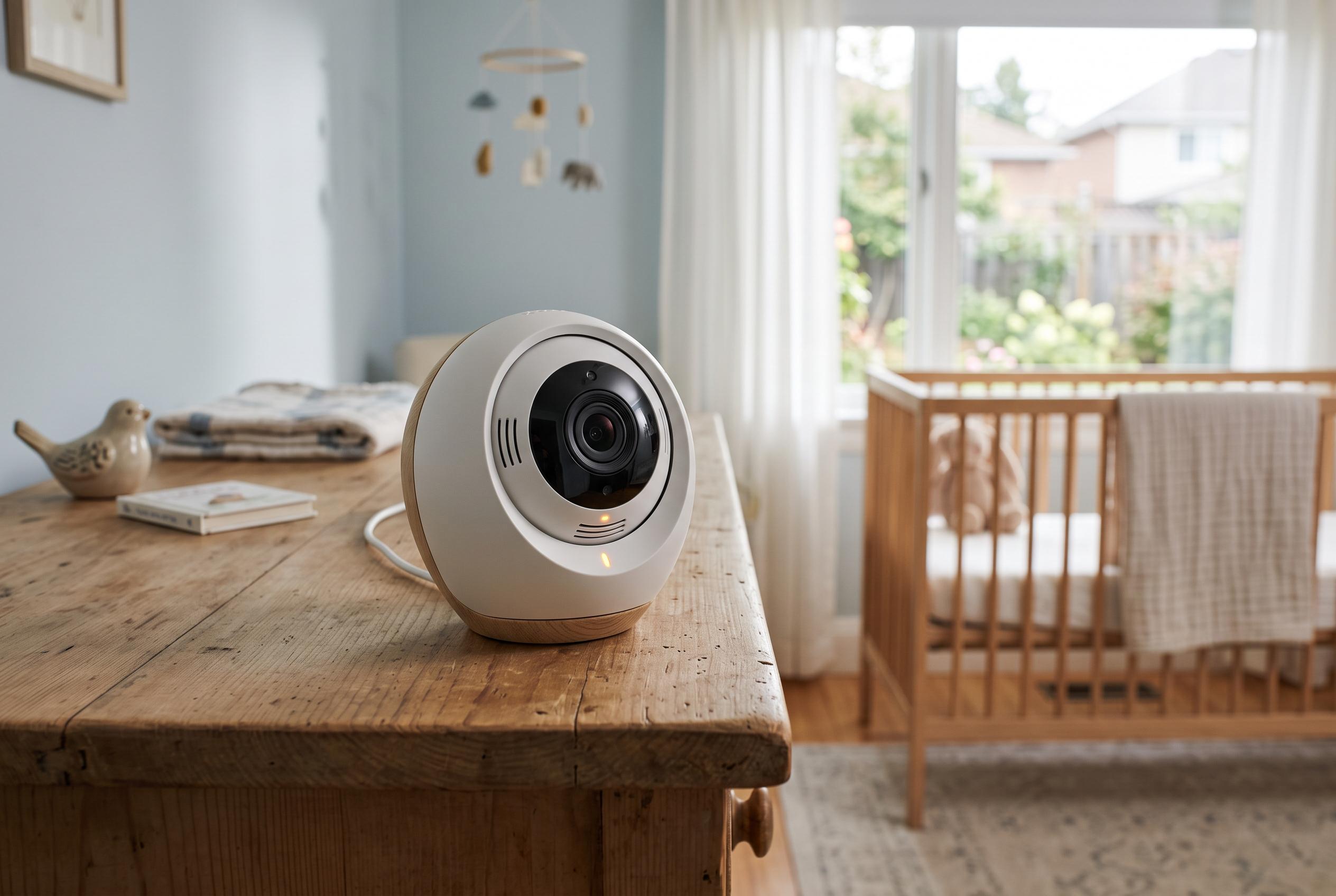
Parents have long used baby monitors as a practical way to keep watch without being in the room. What has changed is the amount of data these devices now collect. Modern models can track breathing, sleep, sounds, room conditions and, in some cases, movement patterns, often by sending information to cloud services for processing. That convenience comes with a wider privacy burden and a larger security attack surface.
According to the lead article, a French security researcher tested low-cost smart cameras in May 2026 and found that live and recorded footage could be accessed without the usual effort of breaking a password. The reporting said the weakness sat in a shared platform used by more than 300 camera brands, with an estimated one million devices affected, many of them used as baby monitors. TechRepublic separately reported that the flaw involved Meari Technology’s IoT platform and exposed sensitive data, including live video and device details.
The wider problem is that the name on the packaging often hides the true maker of the hardware and software. A small number of manufacturers and platform providers produce devices that are then sold under many labels, so a fault in one underlying system can spread across a large number of products. Cybersecurity researchers have raised similar concerns for years, and newer academic work has repeated the pattern in recent devices and apps.
Regulators have begun to respond. The European Union’s updated rules under the Radio Equipment Directive now apply to internet-connected wireless devices sold in the bloc and require manufacturers to protect user data, reduce the risk of takeover and guard against fraud. In the UK, the Product Security and Telecommunications Infrastructure Act has been in force since 2024 and bans default passwords while also requiring vendors to state how long they will support a device.
Security is only part of the issue. Even when a monitor is not hacked, it can still collect feeding times, sleep logs and other family data that may be shared with third parties under broad partner or analytics clauses. The lead article noted that sleep-pattern information is not usually treated as medical data under GDPR, which means companies may use it more freely unless parents opt out. Some app-focused guides add that parents should be wary of products making strong health claims, especially where claims about preventing sudden infant death syndrome are concerned.
The most defensible approach is cautious rather than dismissive. The lead article argued that internet-connected monitors are generally riskier than simpler closed systems, and security guides published elsewhere recommend changing default passwords, keeping firmware updated and isolating the device on a separate network where possible. Parents who want stronger assurance should look for transparent support policies, clear encryption standards and independently verified security certifications, rather than relying on marketing claims alone.
Disclaimer: This content is intended for informational purposes only. Readers are advised to exercise their own judgement, conduct due diligence, or consult a qualified expert before acting on any information provided.