
Despite its growing sales and market share in the US, Motorola faces a challenge in cultivating a robust third-party accessory ecosystem, with brands citing demand and structural obstacles as key issues.
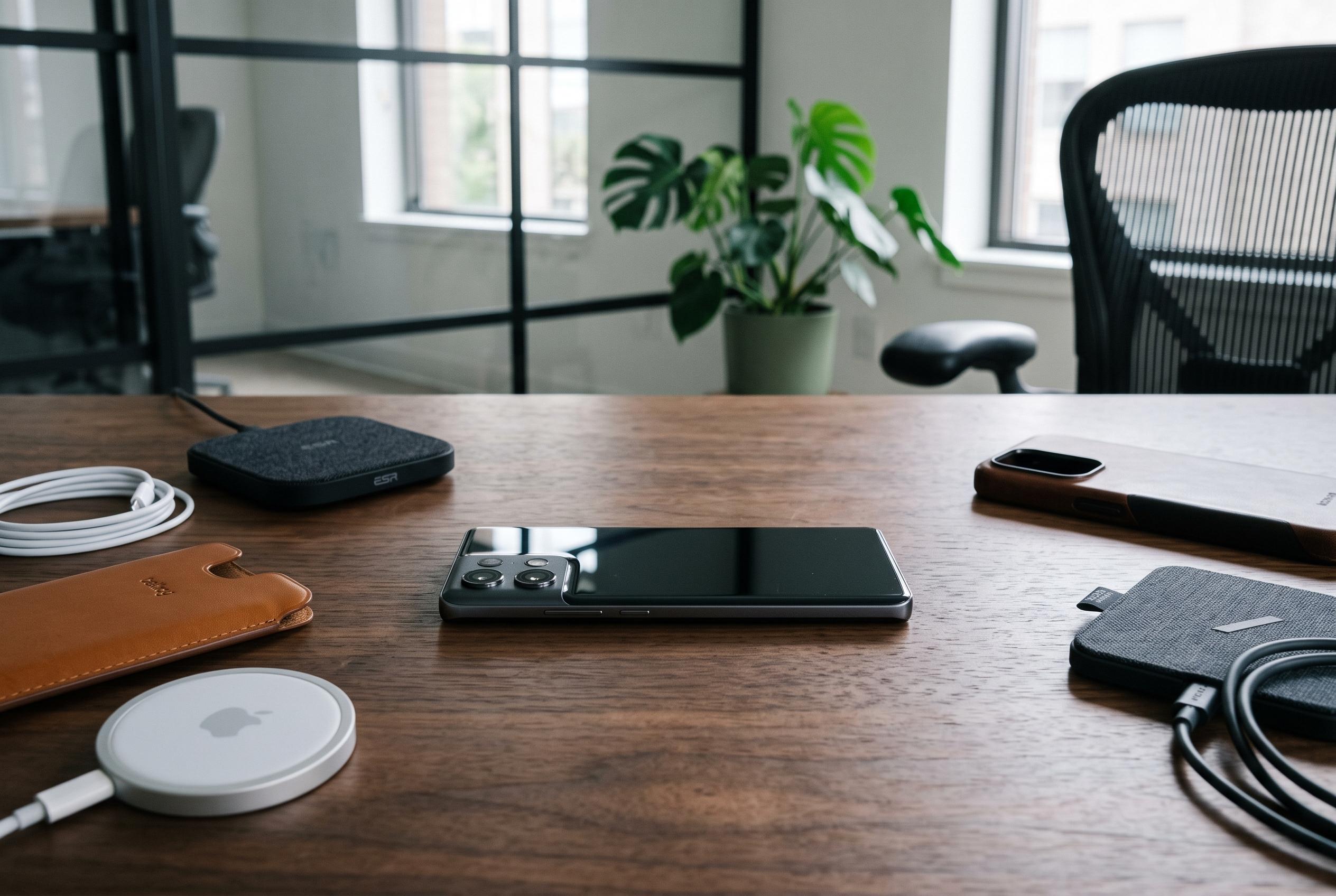
Motorola’s phones are selling better than many rivals in the US, yet their accessory shelves remain strangely bare. That mismatch is at the heart of a growing industry question: why do major case makers still cover Google and Samsung so aggressively, while often leaving Motorola’s flagship and foldable models with only a handful of options?
Several accessory brands told Android Central that the answer is straightforward, if disappointing: they do not believe the demand is strong enough. OtterBox said it weighs device coverage against customer demand and overall adoption, and other case makers gave similar explanations. One premium brand said it prioritises phones with the largest installed base and strongest accessory sales potential, although it suggested it may consider Motorola if interest in specific models becomes more sustained.
Cost and focus also matter. A smaller accessory maker said launching a new case line requires investment in design, tooling, manufacturing and staff, which can be difficult to justify when a company is already committed to Apple or Samsung. TORRAS, which has concentrated heavily on Samsung foldables, said that staying within one foldable ecosystem allows it to refine hinge protection, thinness, magnets and durability through repeated engineering cycles.
Still, the demand argument looks less convincing when set against recent market data. According to Counterpoint Research figures cited by Android Central, Motorola has held a larger share of the US smartphone market than Google over the past five quarters. PhoneArena also reported that in the first quarter of 2026 Motorola was the only top-five handset maker in the US to increase sales, helped by the Moto G Power (2026). In foldables, a separate market report said Motorola’s 2025 Razr range captured 44% of US shipments, putting pressure on Samsung’s lead.
Some brands said the real problem is structural. Dbrand argued that Motorola does not give third-party accessory firms the same early access or formal partnership framework that rivals do through schemes such as Made for Google, Designed for Xbox or Samsung’s own accessory programmes. In its view, development only begins once the phones are already in stores, which means the critical launch window has passed.
That has left a small opening for niche players. Thinborne initially scrapped plans for a Razr Fold case, then reversed course after deciding to absorb a reported $32,000 investment and make a minimalist aramid-fibre case anyway. Its product is positioned as one of the few premium options for Motorola foldables, with MagSafe support and a slim profile.
Motorola, for its part, says it is working with partners and expanding a licensed accessories programme. But its response did little to address the criticism from accessory makers, many of whom say the brand still behaves as though the problem does not exist. That perception may be the real obstacle. If Motorola wants a broader ecosystem around its phones, it may need to do more than sell handsets well; it may need to make third-party support easier, earlier and more visible.
Disclaimer: This content is intended for informational purposes only. Readers are advised to exercise their own judgement, conduct due diligence, or consult a qualified expert before acting on any information provided.