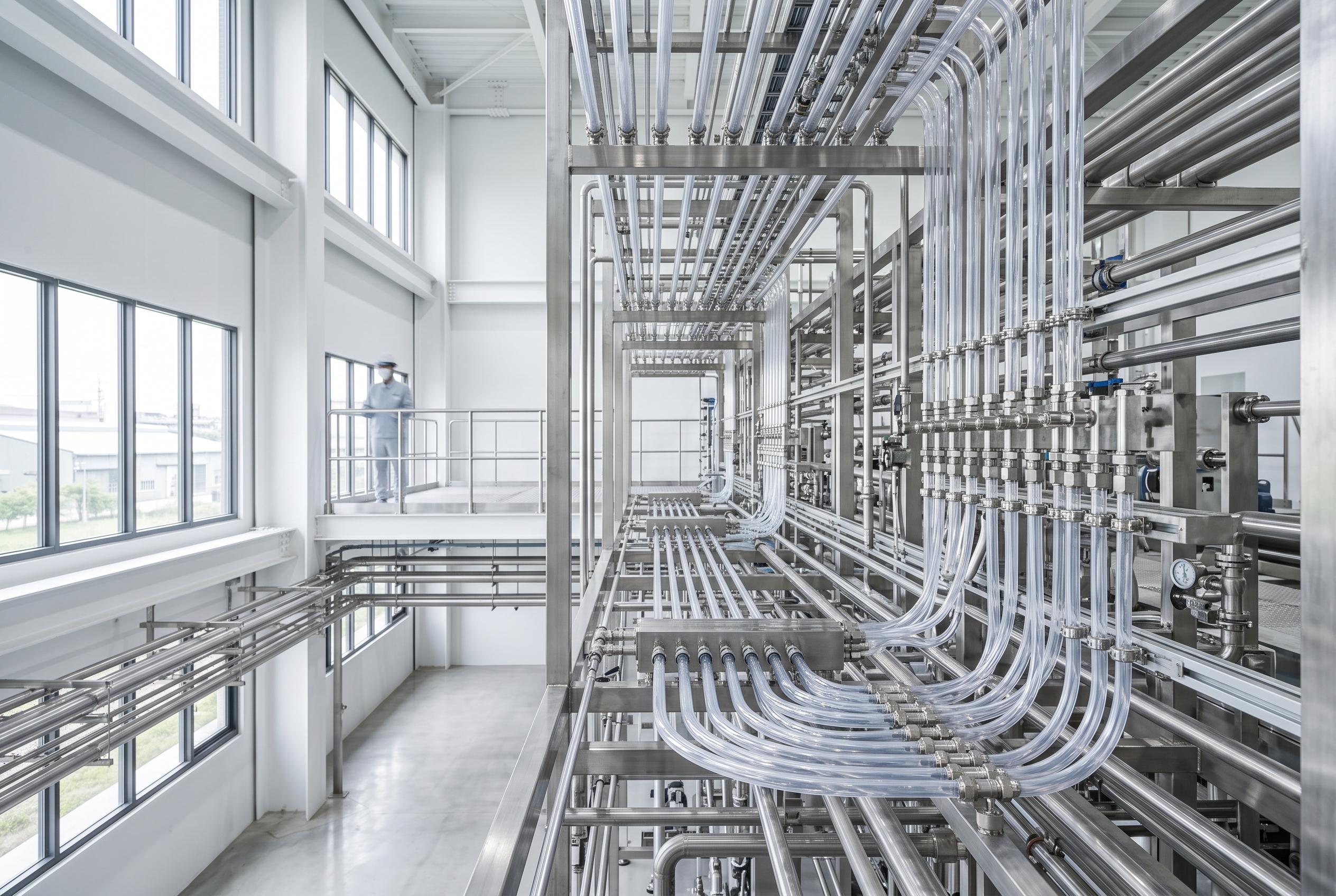

Nichias Corporation plans to establish a PFA tube manufacturing facility in Hsinchu, Taiwan, as part of a broader move to localise critical semiconductor materials and reduce supply chain vulnerabilities following recent industry shortages.
Nichias Corporation is preparing to put a PFA tube plant in Hsinchu, Taiwan, in a move that reflects how semiconductor materials suppliers are increasingly being pulled into the island’s industrial core. Nikkei Asia reported that the Japanese specialist materials maker, which has a long-standing relationship with TSMC, is working with local distributor Gold Stone Development on the project, with commercial production expected in early 2027 if Taiwanese approvals are secured. The plant would bring production closer to the customer and shorten procurement from a transoceanic supply chain to something much faster inside the Hsinchu cluster.
The logic behind the investment is straightforward. PFA tubes carry corrosive chemicals such as hydrofluoric acid and sulphuric acid through semiconductor facilities, and they must meet extremely tight purity and surface-quality requirements. Nikkei Asia said Nichias’s NAFLON PFA-HG Tube achieves an inner surface roughness of 0.2 micrometres, better than the SEMI F52-1101 standard of 0.25 micrometres. At advanced nodes, even tiny imperfections can trap particles and threaten wafer yields, which is why a seemingly mundane tube can become a critical bottleneck.
The investment also reflects lessons from the 2021-22 chip shortage, when the wider semiconductor industry discovered that scarcity was not limited to chips and lithography tools. Supplies of fluoropolymer piping became tight, with lead times stretching beyond a year, while related materials such as PVDF were also under strain from competing demand, including battery manufacturing. The U.S. Government Accountability Office and S&P Global have both described the period as exposing raw-material choke points and regional concentration risks across the semiconductor supply chain.
TSMC has since pushed harder on local sourcing. According to the company’s ESG reporting, it helped a Japanese supplier establish an electroplating additive line in Taiwan, cutting the production cycle from 60 days to 20 days and improving transport efficiency by 90 per cent. TSMC said its broader parts localisation programme had involved 12 suppliers and 22 improvement projects by February 2026, reducing lead times by half and generating more than NT$2 billion in annual output benefits. Nichias’s Hsinchu plan follows that same model: make the input near the fab, rather than depend on distant inventories.
The broader trend is visible across Taiwan’s semiconductor ecosystem. Merck KGaA opened a large materials campus in Kaohsiung in December 2025, while ASML is expanding its footprint in New Taipei City and Zeiss has set up an innovation centre in Hsinchu. Nichias already has an office in Hsinchu, and its wider product line includes PFA-lined piping for high-purity chemical applications. Taken together, these moves show a supply chain that is becoming more local, more specialised and more tightly tied to advanced-node production.
Disclaimer: This content is intended for informational purposes only. Readers are advised to exercise their own judgement, conduct due diligence, or consult a qualified expert before acting on any information provided.