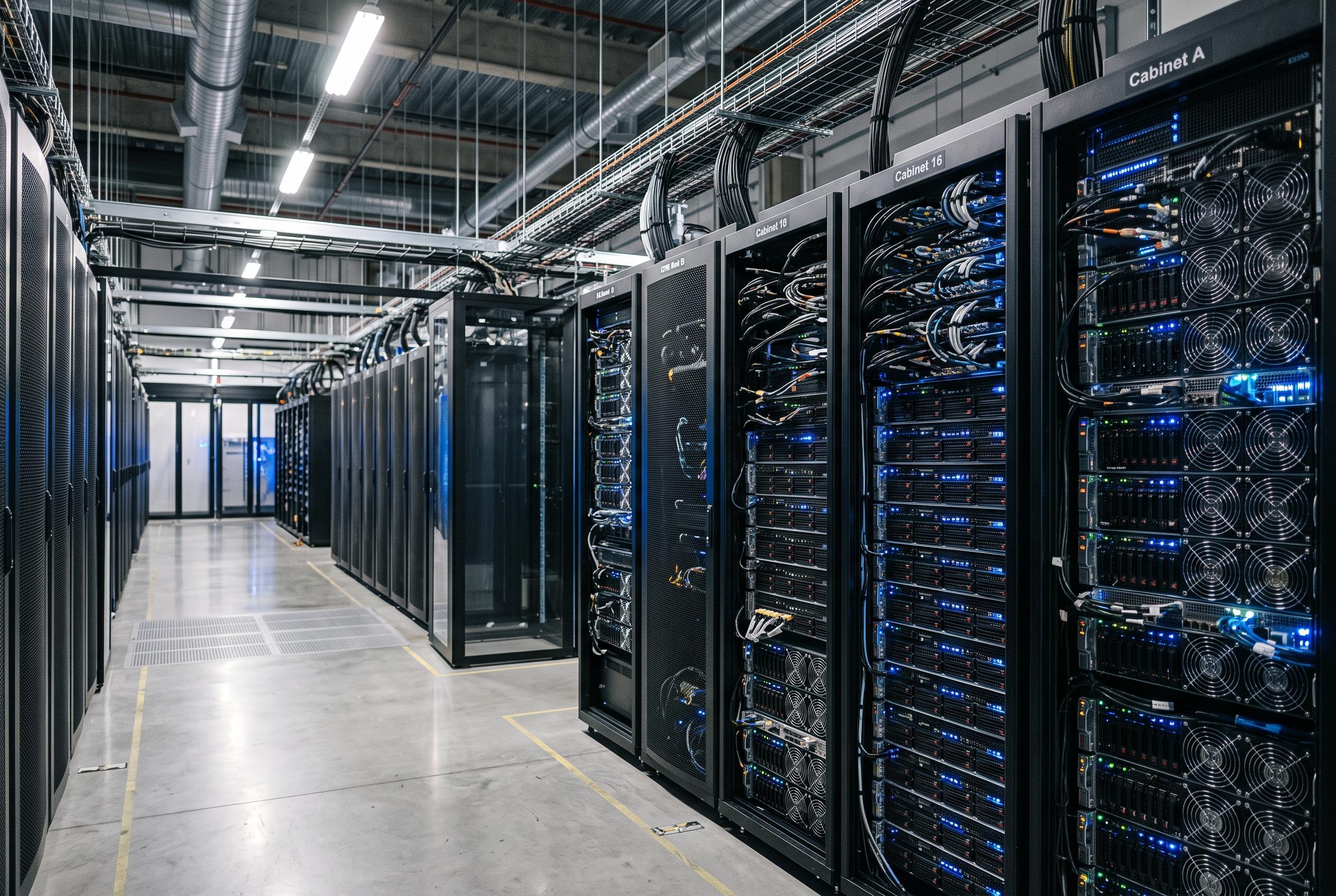

Super Micro Computer reports a robust demand for AI infrastructure, projecting a $60 billion order book and optimistic revenue forecasts for 2027, driven by integrated systems and expanding enterprise solutions.
Super Micro Computer said demand for artificial intelligence infrastructure remains robust, pointing to a $60 billion order book and a forecast for fiscal 2027 revenue of between $65 billion and $72 billion. Speaking at the Goldman Sachs Communacopia and Technology Conference, senior vice-president of corporate development Mike Staiger said the company is benefiting from a shift in customer demand towards fully integrated systems rather than individual components.
According to MarketBeat’s report on the event, Staiger described AI adoption as already under way and said the current build-out of AI infrastructure could last for several years. He argued that Supermicro’s engineering-led model gives it an edge because it can combine processors, servers, racks and wider data-centre infrastructure into what it calls an “AI factory”, while supporting platforms based on NVIDIA, AMD, Intel and Arm technologies.
The company has been increasingly focused on its Data Center Building Block Solution, or DCBBS, which bundles power, cooling, storage, switching, cabling and management software alongside its server hardware. Supermicro says the approach shortens deployment time and reduces compatibility problems for customers building their own infrastructure. Staiger also said the growing mix of integrated systems should support a stable double-digit gross-margin profile, as customers place more value on validation, availability and speed of deployment.
Supermicro’s own press materials released in August said fiscal 2026 net sales reached $39.1 billion, up 78% from the prior year, and reiterated the fiscal 2027 revenue target. The company has also highlighted expansion in Silicon Valley and Johor to raise manufacturing capacity, while telling investors it is working to lower working-capital intensity and eventually return capital to shareholders. Separately, a June partnership announcement said Supermicro and Arm are collaborating on energy-efficient rack-scale infrastructure for enterprise agentic AI workloads, underscoring the firm’s push beyond neocloud customers into enterprise and sovereign markets. The same period also saw Supermicro unveil AI Factory Cluster solutions based on NVIDIA’s Blackwell architecture and enterprise reference designs, aimed at simplifying large-scale AI deployment.
Industry forecasts suggest the opportunity remains enormous, but highly capital-intensive. A PwC-backed projection reported by Tom’s Hardware estimated global AI data-centre investment could reach $31.6 trillion by 2050, with frequent hardware refresh cycles as chips evolve. That broader backdrop helps explain why Supermicro is emphasising integrated systems, faster deployment and higher-value software and services as it seeks to convert AI demand into durable margins and longer-term growth.
Disclaimer: This content is intended for informational purposes only. Readers are advised to exercise their own judgement, conduct due diligence, or consult a qualified expert before acting on any information provided.