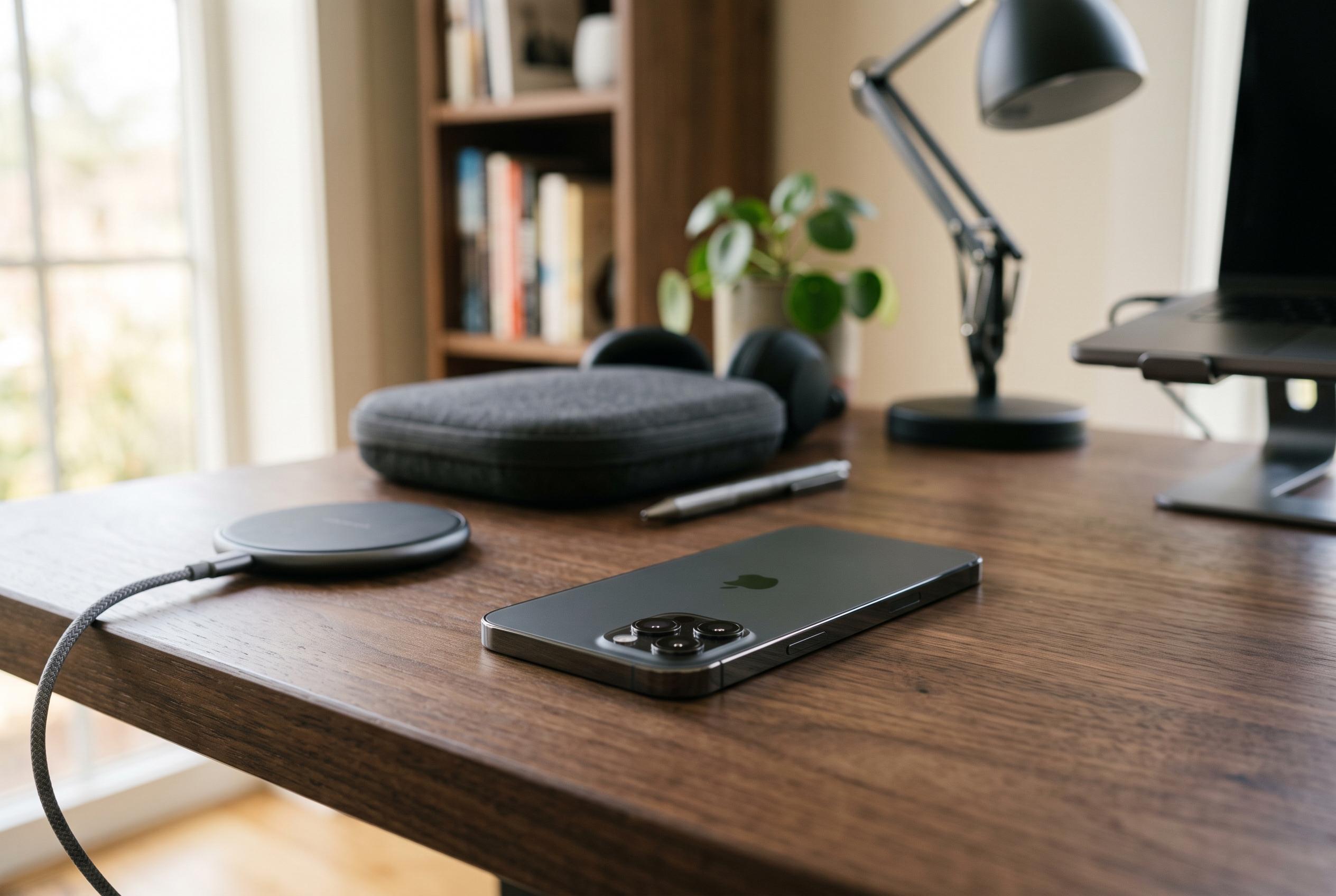

The smartphone industry is experiencing a slowdown, with consumers holding onto devices longer and upgrades becoming less impactful, as market maturity curtails rapid innovation and growth.
The smartphone has not vanished, but its role in consumer technology has changed sharply. What was once a product category driven by visible annual leaps has become a mature market in which most upgrades feel incremental. The result is a device that is still central to daily life, yet far less likely to inspire a replacement decision every year.
That shift is easiest to see in the history of the iPhone. The first model, launched in 2007, reset expectations with its touch interface and lack of a physical keyboard. For several years after that, the industry still moved quickly enough for each generation to feel distinct. Apple was not alone in pushing change: Samsung helped make OLED screens mainstream, popularised large-screen handsets with the Galaxy Note and, according to the broader industry record, helped set the pace for features that later became standard.
By the late 2010s, however, the pace of change slowed. Processing power had become sufficient for ordinary use, so further gains mattered mainly for demanding tasks such as photography, video and on-device artificial intelligence. Screen quality, battery life and cameras continued to improve, but the differences became harder to notice year by year. At the same time, Android and iOS hardened into a duopoly, while older rivals such as Windows Phone and BlackBerry disappeared. As the field narrowed, smartphone makers increasingly competed through refinements rather than breakthroughs.
That is one reason AI has become the industry’s preferred selling point. Yet the evidence suggests consumers are not persuaded. SellCell found in late 2024 that 73% of iPhone users and 87% of Galaxy owners said AI features added little or no value to their phones. A CNET survey in May 2026 found that only 12% of US respondents regarded AI as an important factor when choosing a handset. For many users, the appeal of AI has not matched the marketing around it.
The market numbers tell a similar story. IDC says global smartphone shipments are set to fall sharply in 2026, with one forecast pointing to a 13.9% decline to 1.09 billion units, while a newer IDC estimate puts the drop at 16.7% and warns that the average selling price could rise to $581 as a memory-chip shortage bites. Either way, the direction is clear: the business is becoming smaller in unit terms and more expensive for buyers. That is also pushing low-end models under pressure, especially if component shortages continue.
Consumers are keeping phones longer because the incentives to upgrade have weakened. SellCell says the average ownership cycle had reached 3.5 years in 2025, while the broader trend now appears close to four years. Price is one factor, but battery wear is still the most common trigger for replacement, with 75% of users citing it as the main reason to change devices. Software support has also improved: many Android makers now promise five to seven years of updates, and older iPhones remain usable for much longer than previous generations did.
This does not mean the category is dead. It means it has become predictable. Smartphone makers are still improving cameras, modems, brightness and efficiency, but the gains are usually easiest to notice only when moving from a phone that is three or four years old. That helps explain why foldables, smart glasses and mixed-reality devices are now being tested as possible successors or companions. IDC says foldables remain one of the few growth areas, yet they still account for a small share of shipments. For now, the smartphone remains indispensable precisely because it has become ordinary.
Disclaimer: This content is intended for informational purposes only. Readers are advised to exercise their own judgement, conduct due diligence, or consult a qualified expert before acting on any information provided.