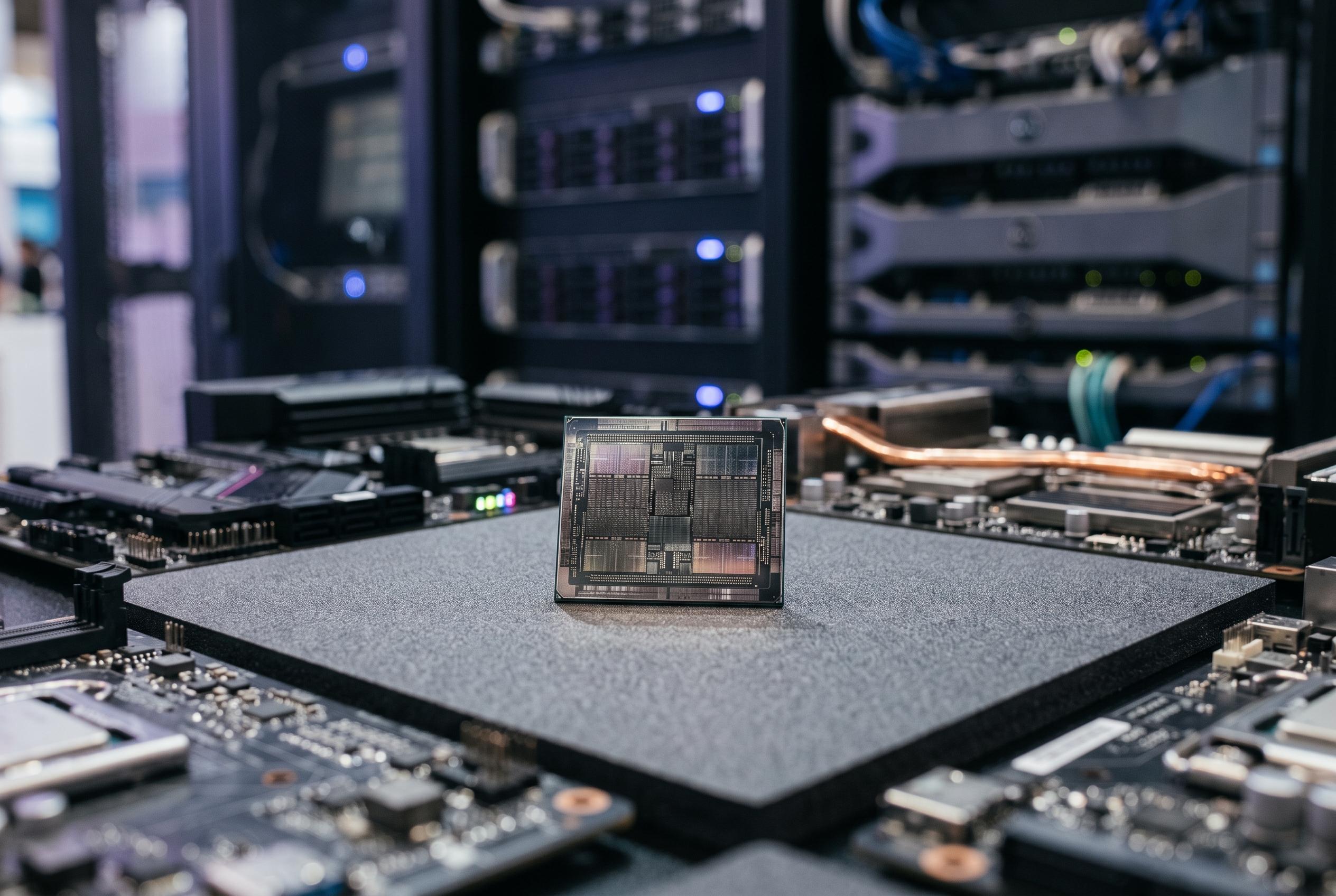

Nvidia’s unveiling of the N1X PC processor at Computex 2026 marks a significant departure from traditional chip categories, prompting a market rethink amid investor alarms and strategic responses from Intel and AMD.
Intel and AMD opened the week under pressure after Nvidia used Computex 2026 in Taipei to signal a direct push into the PC processor market. In pre-market trading on Monday, both chipmakers fell about 4.2%, according to coverage from Investing.com and related trade reports, after Nvidia unveiled the N1X, its first PC processor, developed with Microsoft and slated for Windows machines later this year. The reaction reflected more than a single product launch: investors appeared to be pricing in a new threat to the long-standing Intel-AMD grip on mainstream PC silicon.
Nvidia has not presented N1X as a standalone curiosity. Tom’s Hardware reported that the chip sits inside the RTX Spark platform, which Nvidia positioned as an AI-focused Windows system for laptops and desktops. The company’s move matters because it couples Nvidia’s graphics and AI strength with a general-purpose processor role, an area where Intel and AMD have dominated for decades. That combination gives PC makers a third high-profile option at a time when on-device AI features are becoming a larger part of the buying decision.
The rollout also appears broader than a niche launch. According to the Computex announcement reported by multiple outlets, Microsoft, Dell, HP, ASUS, Lenovo and MSI are expected to ship RTX Spark machines from the autumn. That list matters because it suggests Nvidia lined up major OEM support before going public, rather than hoping the market would follow later. Tom’s Guide separately reported that Nvidia and MediaTek are also working on related AI PC chips, underlining how far the company is trying to extend its reach beyond discrete graphics.
Intel tried to answer at the same event with Xeon 6+, its latest data-centre CPU built on the 18A process node. Tom’s Hardware said the 6990E+ flagship uses 288 efficiency cores in a single socket and is already available through major server vendors. Intel has cast 18A as proof that its manufacturing recovery is real, but that message was lost in the shadow of Nvidia’s consumer-facing reveal. The contrast was stark: Intel had a serious enterprise announcement, yet the market fixated on Nvidia’s entry into a new product class.
Intel has also framed Xeon 6+ as a competitive response to AMD, saying the 6990E+ offers around 30% better per-thread performance and up to 30% better power efficiency than AMD’s 192-core Epyc 9965. Those figures remain Intel’s own claims and have not yet been independently verified. Even so, they show where Intel believes the fight still matters most: in data centres, where efficiency gains can translate into real rack and power savings. For now, Nvidia’s move does not challenge Xeon directly, but it does widen the sense that Intel faces pressure on multiple fronts at once.
The broader significance is that the chip market is becoming less neatly divided by category. Nvidia is moving from GPUs into PC processors; Intel is trying to prove its process technology can still deliver at the high end; AMD is left defending its position without a fresh Computex showcase of its own. For PC buyers, the practical effect will arrive only when RTX Spark systems reach shops later this year. For investors, however, Monday’s drop was a warning that the market now sees the PC processor race as open again.
Disclaimer: This content is intended for informational purposes only. Readers are advised to exercise their own judgement, conduct due diligence, or consult a qualified expert before acting on any information provided.