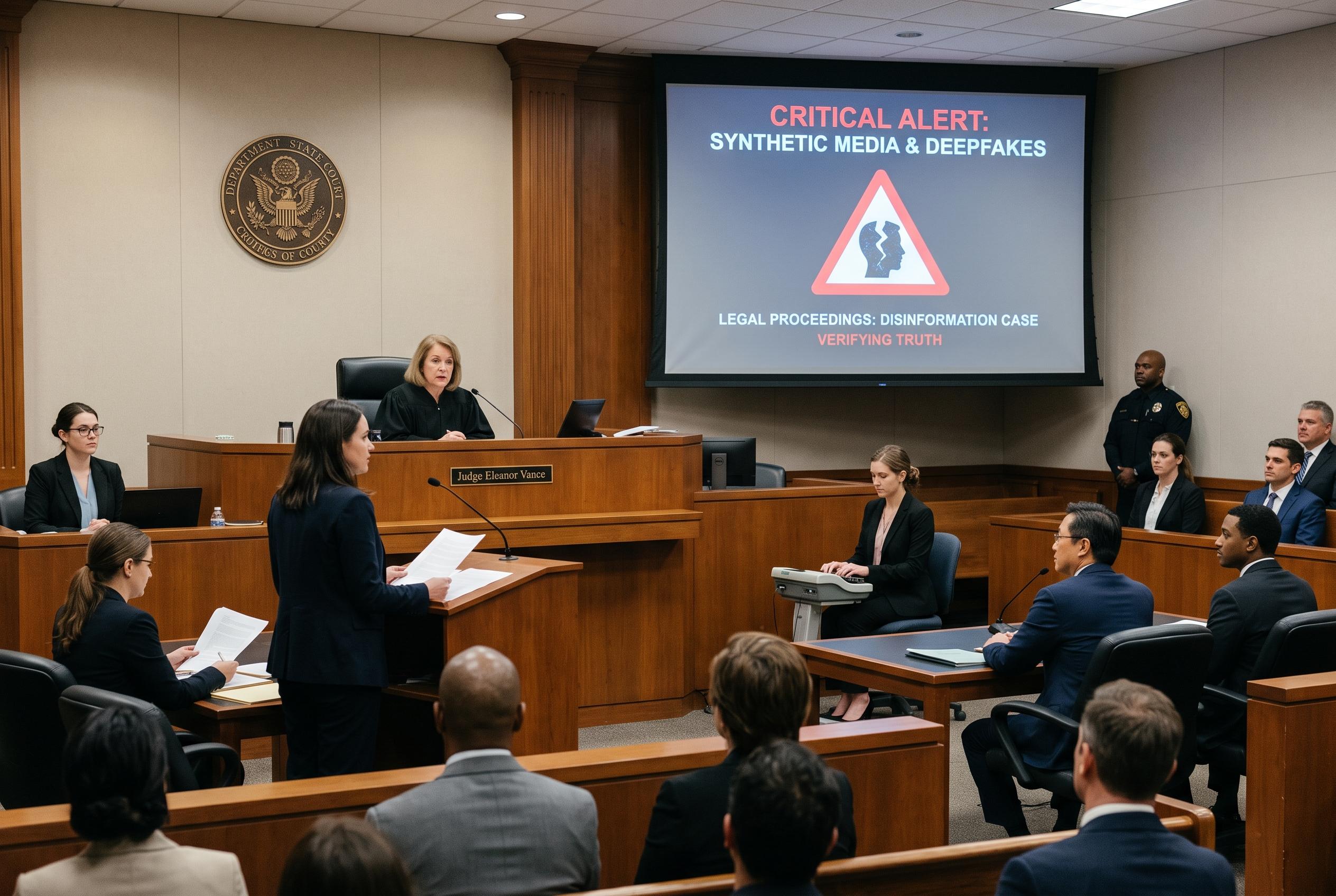

India’s Bombay High Court has mandated Meta and Google to takedown AI-generated deepfake videos falsely linking Union minister Nitin Gadkari to corruption, marking a significant legal step in combating synthetic disinformation and unmasking anonymous operators.
India’s Bombay High Court has ordered Meta and Google to take down AI-generated deepfake videos that falsely linked Union minister Nitin Gadkari to alleged corruption in the country’s E20 ethanol-blending programme, and to disclose the subscriber details of the anonymous accounts that uploaded them. According to the order issued on August 5, the court treated the material as harmful enough to justify immediate interim relief, marking the first known instance in which an Indian court has applied its personality-rights deepfake framework to a sitting cabinet minister. That move gives political figures a potential legal route against synthetic disinformation without waiting for new legislation.
The case centres on fabricated videos and altered images that suggested Gadkari and his family were profiting from the ethanol policy. His petition, filed in late July, argues that the transport ministry has no role in implementing the fuel programme and that the material was defamatory rather than legitimate criticism. The court reportedly described the content as “absolutely vile and abusive” and asked why platforms with advanced systems needed to be brought before a judge before removing obviously harmful posts. Reuters-style coverage from legal reporting also noted that both Meta and Google agreed in court to remove the items identified in the filing.
The order also reflects a broader concern about how platforms handle AI-generated abuse. Media and legal commentary in India have repeatedly noted that major platforms have struggled to act quickly against deepfake content, even as governments press them for greater transparency and faster removal. In July, India also summoned Meta’s global team over concerns including algorithmic bias and public-order risks, underscoring the pressure on large social networks to show that their moderation systems can detect synthetic media before it spreads widely.
The ruling comes against a wider legal backdrop in which courts and regulators are trying to close gaps in online accountability. Indian authorities have already relied on court orders to force platforms to remove content in other contexts, and the latest case suggests that the same logic is now being applied to political deepfakes. The practical issue is not only takedown speed but also identification: by compelling subscriber data, the court is attempting to unmask anonymous operators behind the campaign, a step that can support civil claims and possible criminal follow-up.
The broader question, however, is how far personality-rights law should stretch when the target is a politician rather than a celebrity. Deepfake disputes involving public figures have usually been framed as reputational or commercial misuse, as in earlier litigation against Meta over fraudulent crypto adverts using Andrew Forrest’s image. Legal analysis published in 2025 argued that platforms have often been slow to remove non-consensual synthetic media and that better detection standards are still needed. For India, the Gadkari case may become an important test of whether courts can distinguish malicious fabrication from protected political speech while still giving victims a fast remedy.
Disclaimer: This content is intended for informational purposes only. Readers are advised to exercise their own judgement, conduct due diligence, or consult a qualified expert before acting on any information provided.