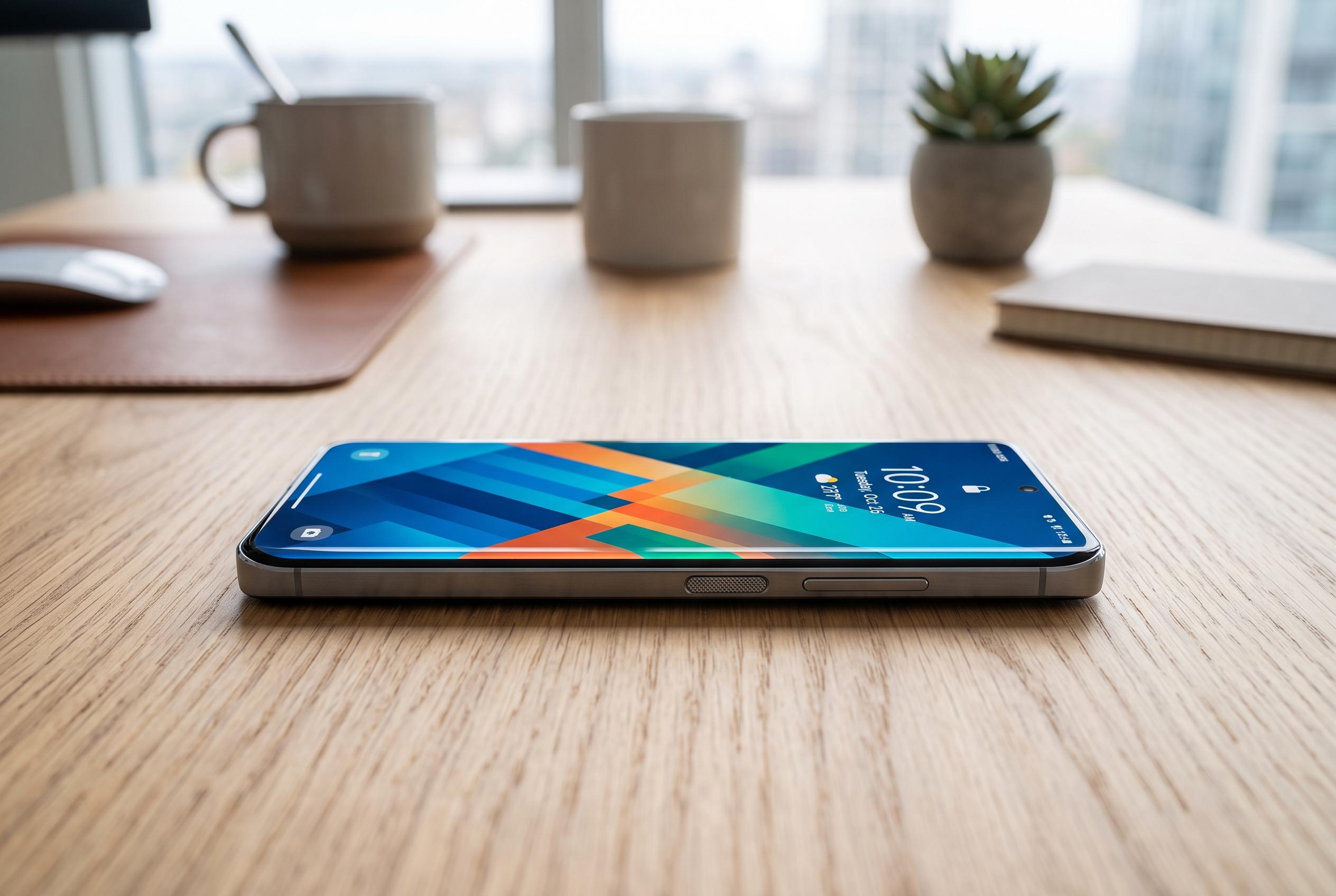

Consumer preference for flagship smartphones continues to grow, with nearly 30% of all handset sales now falling into the premium category, driven by Apple and Samsung’s dominance and rising prices in mid-range markets.
Consumers are continuing to trade up into the most expensive smartphone tiers, and the latest market data suggests that premium models now account for nearly a third of all handset sales worldwide. Counterpoint Research said the shift reflects a clear preference for flagship devices, with buyers increasingly willing to pay more for top-end features rather than settle for mid-range phones.
Apple remains the central beneficiary. According to Counterpoint, Apple and Samsung together control 84% of the premium smartphone segment, with Apple alone on 65%, up from 63% a year earlier. The iPhone 17 range has been a major driver of that performance, particularly the base model, which has seen strong demand. Samsung held 19% of the premium market, with the Galaxy S26 Ultra doing much of the heavy lifting.
The premium category is defined in the report as smartphones with a wholesale price of $600 or more. In the first half of 2026, those devices made up 29% of global smartphone sales, up from 25% in the same period last year and the highest level recorded. Counterpoint said rising component and memory-chip costs have pushed up prices in the mid-range market, narrowing the gap between cheaper phones and older or discounted flagships.
That pricing pressure is part of a broader industry move towards higher-value products. Omdia has said the global smartphone market is becoming more premium even as total shipments are expected to fall in 2026, while average selling prices rise. Other market data also points in the same direction, with research from Statista indicating that phones priced at $800 and above are among the few categories expected to grow this year. The result is a market in which volume may be softer, but consumer spending remains concentrated at the top end.
Disclaimer: This content is intended for informational purposes only. Readers are advised to exercise their own judgement, conduct due diligence, or consult a qualified expert before acting on any information provided.