
Switching from traditional port forwarding to mesh VPNs like Tailscale offers a more secure, private way to access home servers remotely, mitigating the risks of exposing services to the internet.
Running a home server is meant to make media, files and self-hosted tools easier to reach, not easier to attack. Yet the most common way of enabling remote access, port forwarding, does exactly that by turning a service that was meant to stay private into one that is openly reachable from the wider internet. Once a router passes traffic through, the application itself is left to distinguish between a trusted user and an automated scan, which is a poor security model for anything sensitive. According to How-To Geek, that includes services such as NAS logins, Plex, Home Assistant and remote desktop tools.
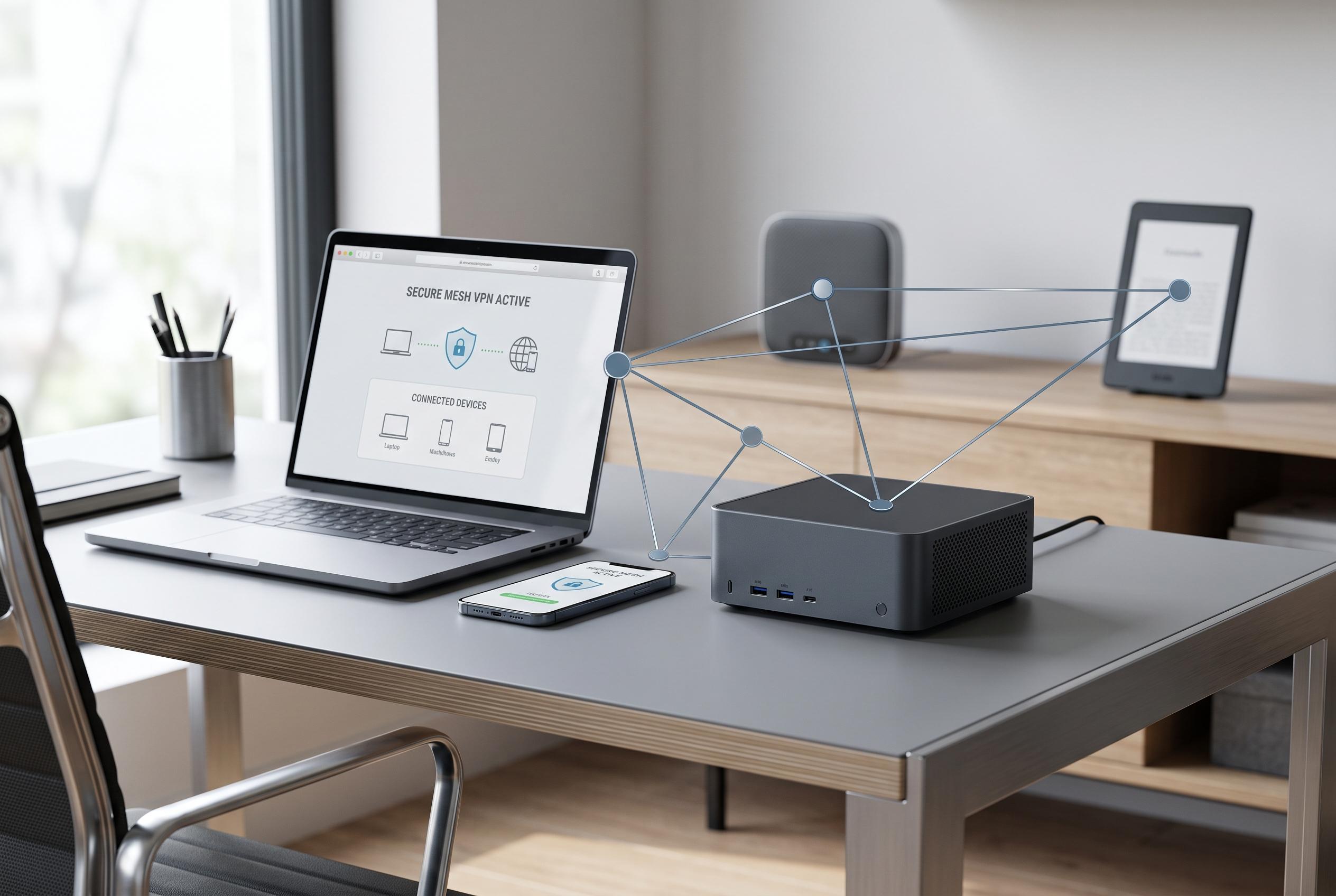
A better approach is to use a mesh VPN such as Tailscale, which creates an encrypted private network between approved devices. Tailscale says its service is built on WireGuard and is designed to provide identity-based access without the need for port forwarding, while its documentation on mesh VPNs emphasises a zero-trust model in which each connection is treated as untrusted until verified. In practical terms, that lets a home server remain reachable from a laptop or phone on another network without exposing the service to internet-wide scans.
The migration path is straightforward. Install the VPN client on the server and on every device that needs remote access, sign in with the same account and confirm that the server appears on the private network with a stable address or device name. The service itself does not need to move or change ports; it is simply reached through the private route rather than through the public IP address. How-To Geek recommends testing that connection from mobile data or another outside network before removing the old forwarding rule.
Only after that test should the existing router rule be removed, including any rule created automatically through UPnP, the protocol many routers use to open ports on demand. That final check matters because the goal is to ensure that the service still works privately while the public entry point is shut down completely. In effect, the server remains accessible, but only to devices you have explicitly approved.
Even then, private networking should not become a flat internal network with broad trust everywhere. Tailscale recommends policy controls for restricting which users and devices can reach specific resources, and its homelab guidance says its system can connect devices without port forwarding while supporting access controls and a free personal tier. That matters because a compromised device inside the network can still create risk if permissions are too broad. Subnet routing, which extends access to devices on the wider home LAN, can be useful, but it can also recreate the same overexposed environment that port forwarding creates in the first place.
Disclaimer: This content is intended for informational purposes only. Readers are advised to exercise their own judgement, conduct due diligence, or consult a qualified expert before acting on any information provided.