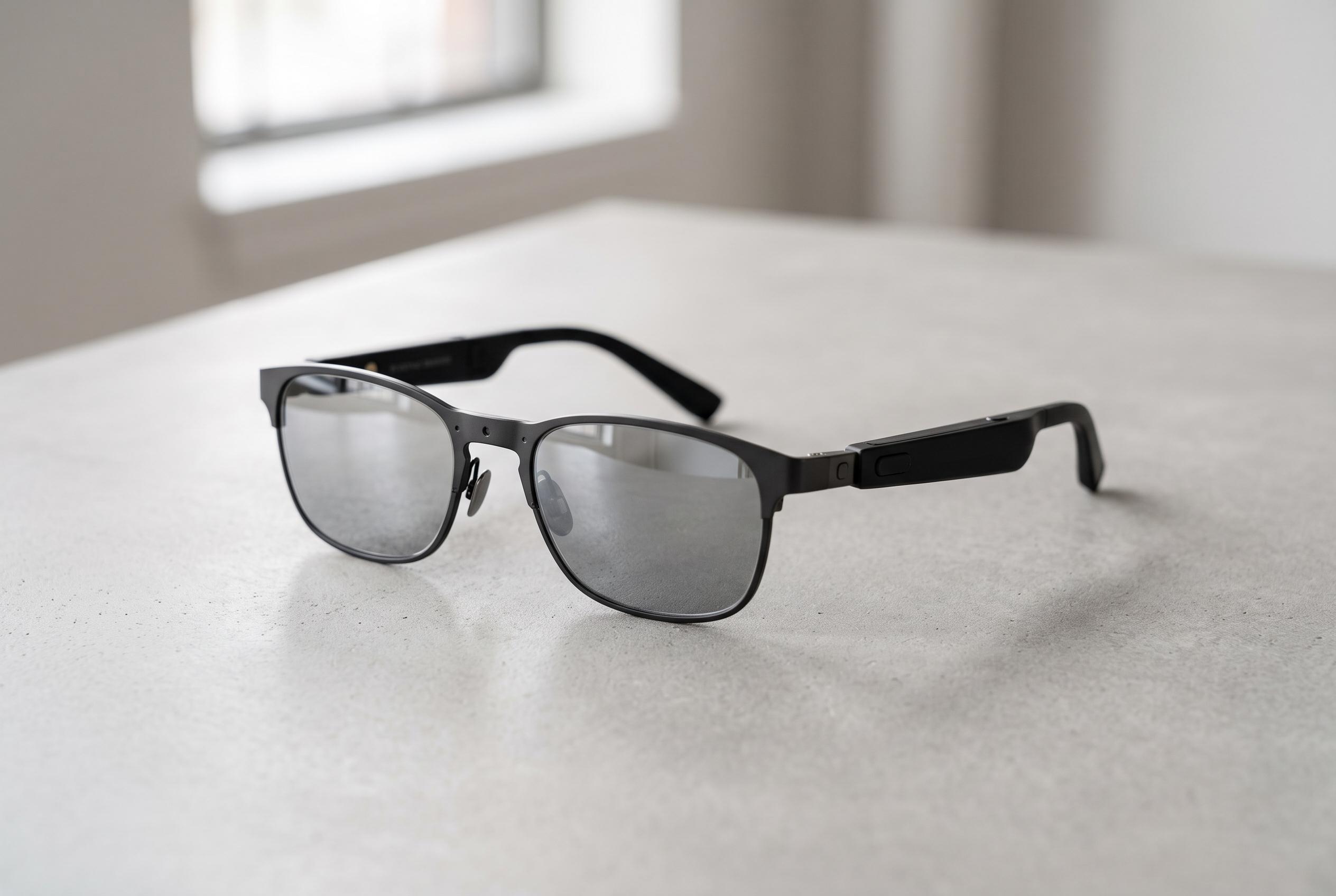

As Meta’s smart glasses transition from niche gadgets to mainstream accessories, privacy advocates voice growing fears over covert recording, legal challenges, and the potential for widespread surveillance in public and private spaces.
Meta’s smart glasses are moving from niche gadget to everyday accessory, and that is precisely what is unsettling privacy advocates. The devices, made with Ray-Ban and Oakley branding, look close enough to ordinary spectacles to disappear into a conversation, yet they can record video, take photographs, answer voice commands and run artificial intelligence features. As their sales have climbed into the millions, criticism has sharpened over how easily they can be used without the people around the wearer realising what is happening.
That tension has become more visible in recent months through social media clips showing wearers filming strangers, service workers and intimate situations. One widely shared example involved influencer Aniesse Navarro, who said on TikTok that she realised her cosmetician was wearing the glasses during a treatment in Manhattan. Her account captured a broader anxiety: unlike a phone, which people generally notice when it is raised to film, smart glasses can record while the wearer simply looks ahead.
Meta says a small light on the frame signals when recording is active, but critics argue that this is not always enough. In bright surroundings the indicator can be hard to see, and reports have shown that some users have found ways to disable or work around it. Meta has since updated its software to detect tampering with the light and block the camera in those cases, but the concern remains that the design still favours concealment over clarity. TechRadar has also reported that cheaper smart-glasses alternatives are spreading quickly through retail and online marketplaces, often with weaker safeguards and poorer quality than branded models.
The legal questions are becoming harder to ignore. Jelena Virant Burnik, Slovenia’s information commissioner, has said transparency and lawfulness are central to data protection rules, and that people have the right to know who is collecting their data, when and for what purpose. She noted that private use, such as filming a family walk for personal viewing, is treated differently from publishing clips online or using them for commercial promotion, where a clear legal basis and notice to those filmed are required. In Slovenia, the law is stricter still when biometics are involved: the public use of systems processing biometric personal data, such as facial recognition, is explicitly prohibited on public grounds.
That matters because the technology is no longer limited to simple recording. Wired reported that Meta had built facial-recognition code, internally dubbed NameTag, into an app tied to its smart glasses before later removing it after backlash. The wider risk is that smart glasses can turn ordinary social spaces into data sources. Under the GDPR, biometric data is treated as highly sensitive, and the Slovenian regulator has warned for some time that wearables create a particular problem because bystanders cannot easily avoid being captured by a device they may not even notice.
The most troubling revelations have gone beyond the frame itself. Swedish newspapers Svenska Dagbladet and Göteborgs-Posten reported earlier this year that workers for a Meta contractor in Kenya reviewed sensitive footage from the glasses, including scenes of nudity, medical visits, toilet use and sex. Meta later ended its work with that contractor. TechCrunch has since reported a US class action alleging privacy violations and false advertising, with plaintiffs arguing that Meta’s marketing did not square with the reality of human review. The company says the content review process is disclosed in its privacy policy and terms.
Regulators are now testing how far existing law can stretch. Politico has reported that European officials are trying to balance support for artificial intelligence with protection of fundamental rights, while the Irish Data Protection Commission, which has jurisdiction over Meta’s European base, is already looking into the issue. Restrictions are also spreading elsewhere. Courts in New York have banned smart glasses, some education settings and conferences have barred them too, and several countries have imposed limits in sensitive areas. In Germany, Hamburg’s data protection chief recently warned that smart glasses amount to concealed cameras, while France and the Netherlands are also pressing for tighter controls. For critics, the answer is not just about one product. It is about whether public life can adapt to a device that makes surveillance look like eyewear.
Disclaimer: This content is intended for informational purposes only. Readers are advised to exercise their own judgement, conduct due diligence, or consult a qualified expert before acting on any information provided.