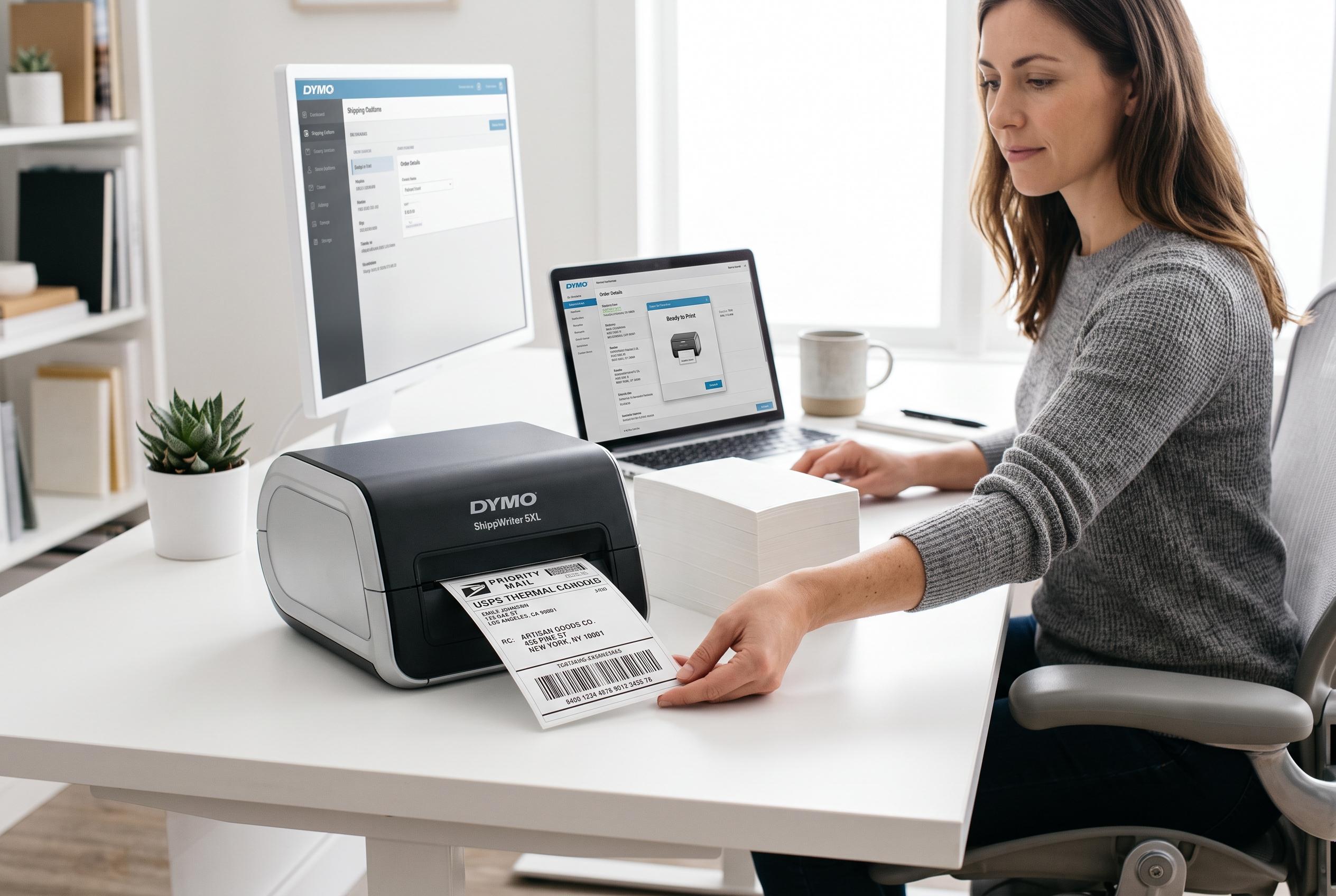

Rollo Ship offers a flexible pay-per-label shipping platform with no monthly fee, challenging traditional subscription models by tailoring costs to actual shipping volume and enhancing functionality for diverse user needs.
The real difference between subscription shipping software and pay-per-label platforms is not branding but cost structure. One charges a fixed fee regardless of usage; the other charges only when a label is created. The practical question is where the monthly crossover sits, and that depends on label volume, the per-label fee and how unevenly shipments are spread through the year.
That distinction matters because postage is separate in both models. If two platforms quote the same commercial carrier rate, the postage cost is the same. The only variable is the software fee. In subscription products, pricing typically runs from about $20 a month at the low end to roughly $249 at the high end, often with shipment caps. Pay-per-label tools avoid the recurring charge, but they rely on transaction fees that can rise or fall with volume.
Rollo Ship sits firmly in the pay-per-label camp. According to the company, it offers a free multi-carrier platform in the US and Canada with no monthly access fee, quoting USPS, UPS, FedEx, Canada Post and Purolator. The first 200 labels are free, after which the fee starts at 5¢ a label and can fall to 1¢ for users who move up through the Rollo Rewards tier system.
That makes the arithmetic straightforward. At a 5¢ fee, a shipper printing 800 labels a month would pay $40 in platform charges, while a 1¢ rate would reduce that to $8. A $59 monthly subscription would still cost $59 in the same month, whether the shipper printed 800 labels or only a fraction of that. For businesses with seasonal demand, that gap becomes more pronounced because subscription pricing charges for quiet months at the same rate as peak periods.
Rollo Ship also argues that pricing should be judged alongside functionality. The company says its platform includes inventory tracking, low-stock alerts, bulk edits, landed-cost fields and customs data, with support for USD and CAD. It also says its automation layer groups similar orders, applies user-defined rules and recommends the cheapest qualifying service by comparing live rates across the carriers it supports. For Canadian sellers, that carrier mix matters as much as the fee itself, because Canada Post and Purolator can be decisive in domestic parcel pricing.
The clearest way to compare the models is still to divide the monthly subscription fee by the per-label charge and test the result against actual shipment volume. But the better test is broader: check whether the platform quotes the carriers you really use, whether it supports your billing currency and whether it can handle cross-border paperwork without extra tools. A lower monthly fee is only cheaper if it fits the work you actually need done.
Disclaimer: This content is intended for informational purposes only. Readers are advised to exercise their own judgement, conduct due diligence, or consult a qualified expert before acting on any information provided.