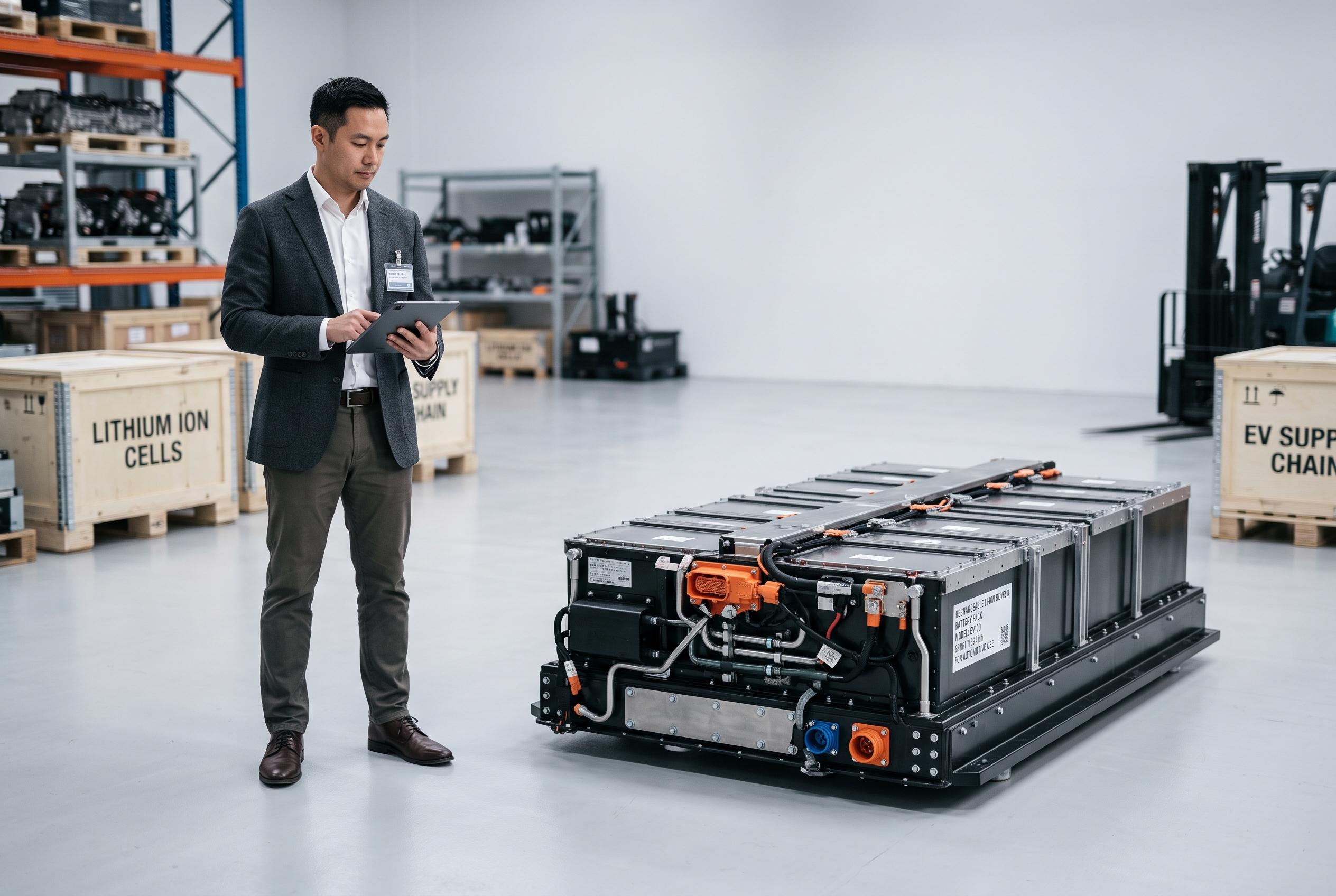

Rising lithium carbonate prices are intensifying pressure on battery producers amid supply constraints and expanding demand across electric vehicles and grid storage, prompting strategic shifts to safeguard margins.
The latest rise in lithium carbonate prices is putting fresh pressure on battery manufacturers already dealing with narrow margins and volatile demand. The compound is a core ingredient in lithium-ion cathodes, so when its cost moves sharply higher, the effect is felt throughout the chain, from cell production to battery packs and the electric vehicles and storage systems that depend on them. For manufacturers, the problem is not simply a higher bill for raw material; it is a broader squeeze on pricing, financing and planning.
The market shock reflects both supply constraints and demand that continues to build. CRU Group has linked the rebound in prices to resource nationalism, permitting delays and shipping bottlenecks, while also noting that energy storage orders remain strong. Lithium supply is concentrated in a handful of regions, including the Lithium Triangle in South America and major hard-rock operations in Australia, and new projects typically take years to reach commercial production. That makes it difficult for supply to respond quickly when demand rises.
At the same time, battery demand is widening across more than one market. Electric vehicle sales continue to absorb large volumes of lithium, while grid-scale battery storage is expanding as power systems add more wind and solar capacity. CRU said downstream restocking has been active, which has added to the pressure on raw material buyers. In that environment, producers of lithium iron phosphate, or LFP, cathodes have gained pricing power, but many cell makers have seen profitability tighten as customers resist passing through higher costs.
The effects are already showing up in industrial behaviour. A study published in ScienceDirect found that swings in battery-grade lithium carbonate prices can sharply affect inventory turnover among new energy companies, with firms that have weaker bargaining power often reducing stock more aggressively. Some companies also stockpiled early in a price surge to reduce later supply risk, which can create distortion in subsequent periods. Elsewhere in the market, reports have pointed to a return to much firmer pricing after a period of oversupply and weak sentiment, with some estimates putting lithium carbonate around $17,500 a tonne by February 2026 after a low point in mid-2025.
For battery makers, the strategic response is becoming clearer. Some are securing long-term supply contracts to protect margins. Others are taking equity stakes in upstream projects to reduce dependence on the spot market. A third group is leaning more heavily on recycling and on chemistries that can reduce exposure to price swings. As the battery value chain adjusts, the companies best positioned to absorb volatility are likely to be those that treat lithium procurement as a strategic function rather than a routine purchasing task.
Disclaimer: This content is intended for informational purposes only. Readers are advised to exercise their own judgement, conduct due diligence, or consult a qualified expert before acting on any information provided.