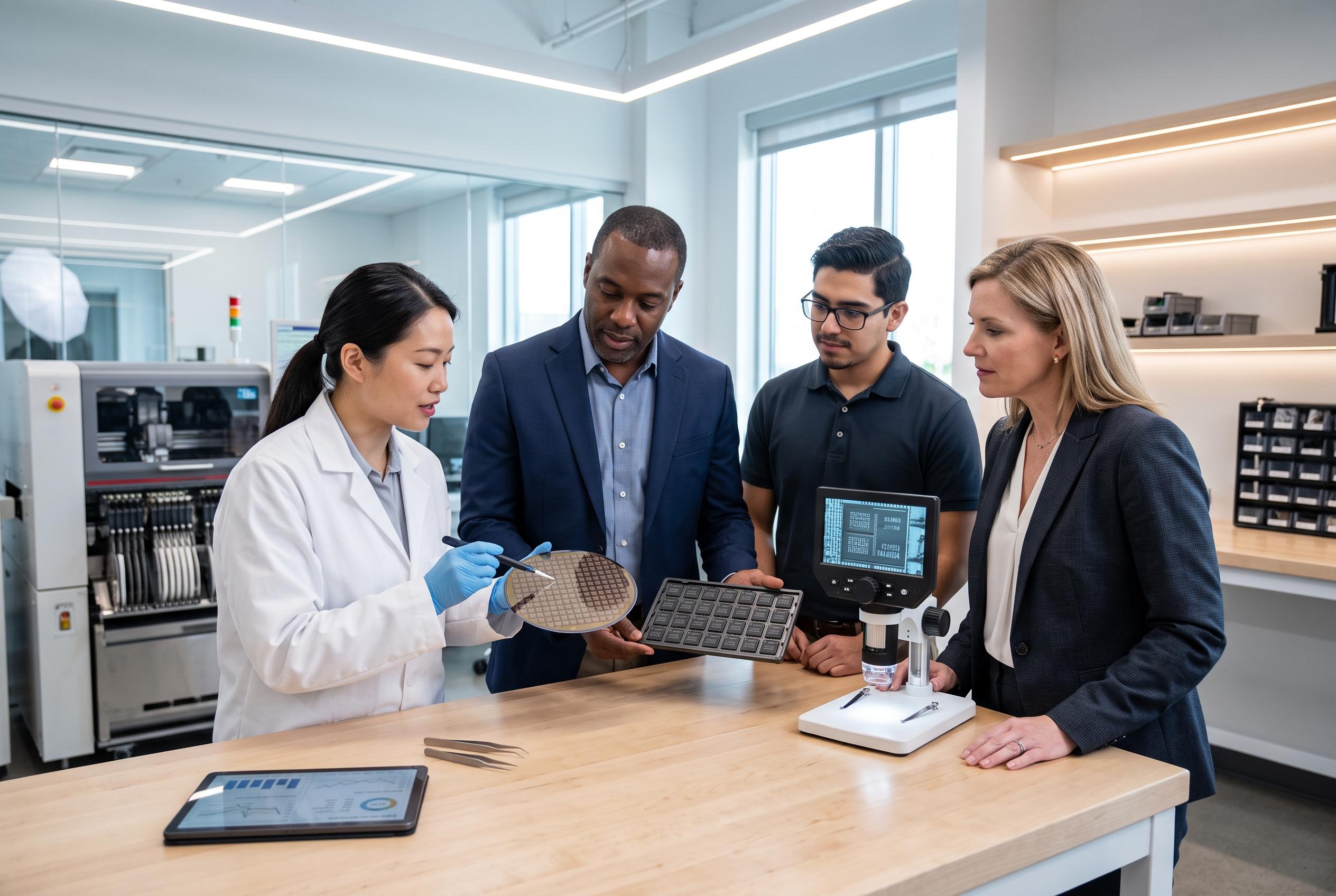

As global memory shortages threaten Apple’s hardware plans, the tech giant explores Chinese chip maker Longsys to diversify supply sources amid industry-wide pressure and geopolitical complexities.
Apple is weighing a new source of memory chips from Longsys Technology as it looks to ease pressure on a supply chain strained by the artificial intelligence boom, according to reports in GuruFocus and Tom’s Hardware. The discussions are said to cover parts for iPhones and MacBooks, with the initial focus on devices sold in China. That would give Apple a localised supply option at a time when memory availability has tightened across the industry.
The broader backdrop is a shortage that has already begun to affect Apple’s hardware plans. Tom’s Hardware reported that the company is facing constraints on DRAM, the memory used to help chips handle active tasks, and that around $1 billion of processor wafers are waiting for packaging. Those wafers are linked to the A20 Pro and C2 chips expected to power future iPhone models. Apple still relies mainly on Micron, with additional supply from SK Hynix and Samsung, but those vendors have long-term commitments elsewhere, limiting spare capacity.
The shortage has prompted Apple to look at alternative suppliers, including Chinese companies such as CXMT, although that path carries its own geopolitical risk. Tom’s Hardware said US officials are considering a possible ban on CXMT, which could complicate Apple’s sourcing decisions. The company is also said to be confident it can meet initial launch demand, even if tighter supply could weigh on shipments later.
Longsys itself has been expanding its manufacturing and technology base. According to the company and reporting from Tom’s Hardware, it is considering a second memory chip factory in Beijing and has been pushing into higher-value storage products, including AI-oriented designs. Lexar, which Longsys acquired in 2017, has also been positioning itself for industrial and automotive uses, while Longsys has emphasised supply-chain management and in-house chip capabilities.
The interest from Apple comes as Longsys forecasts a sharp jump in profit for the first half of 2026, driven by demand for memory and storage tied to AI infrastructure, according to Tom’s Hardware. The company has also secured approval for a private share placement to fund research and development. If Apple does proceed, the move would reflect a wider shift in the chip market: large device makers are increasingly hunting for flexible memory sources as demand outstrips supply and existing partnerships leave little slack.
Disclaimer: This content is intended for informational purposes only. Readers are advised to exercise their own judgement, conduct due diligence, or consult a qualified expert before acting on any information provided.