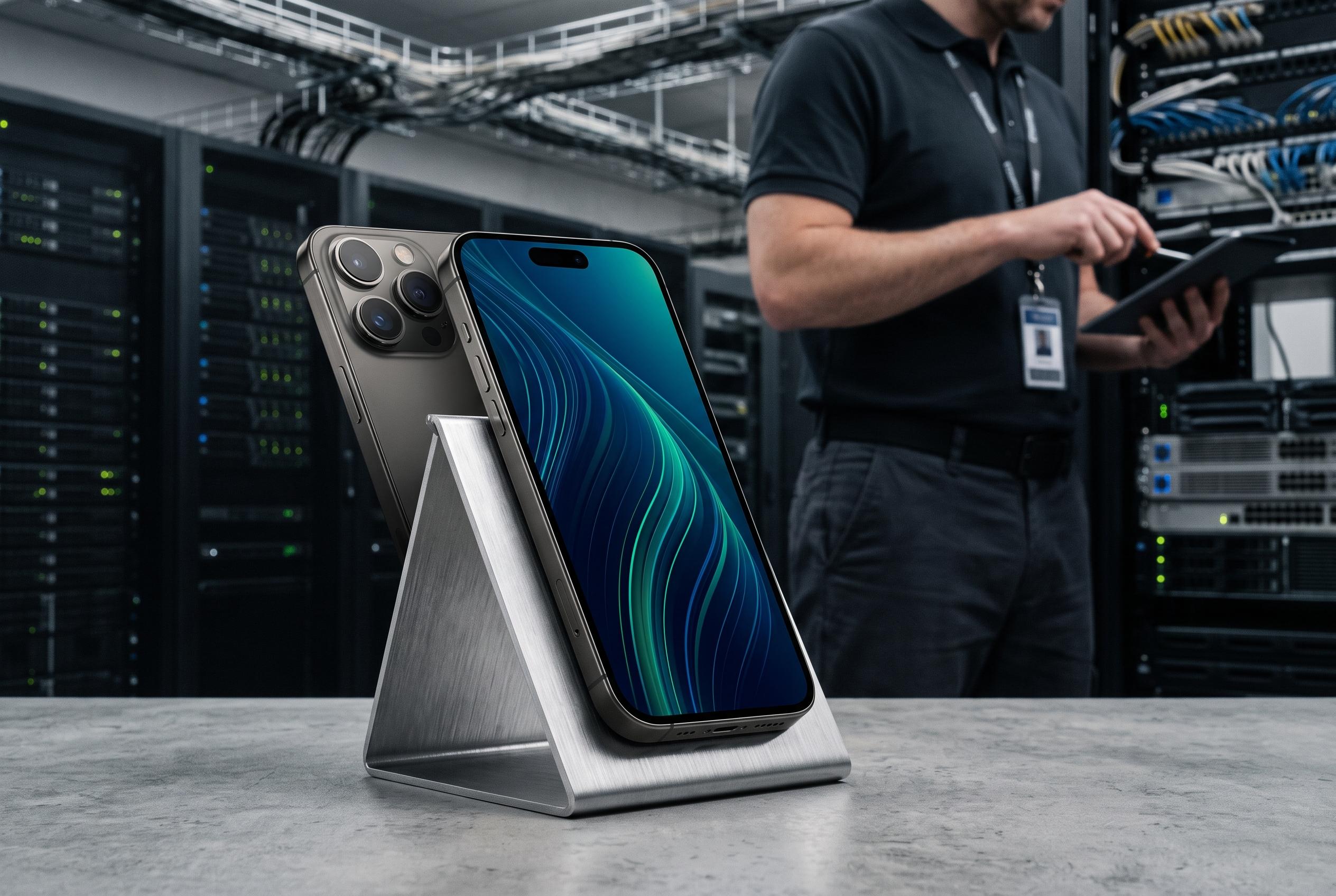

The tech giant may be compelled to raise prices on upcoming iPhone models due to a shortage of memory components, as AI data centres divert DRAM and storage resources, raising concerns over supply chain bottlenecks and consumer costs.
Apple is confronting the possibility that its next iPhone cycle will be shaped less by design choices than by a global shortage of memory chips. Reports from analysts and industry watchers suggest the iPhone 18 range could face higher component costs because artificial intelligence data centres are absorbing a growing share of DRAM and storage supply, leaving less available for consumer devices. That has raised the prospect of Apple lifting prices on at least some models, even though the company has often tried to cushion customers from abrupt increases.
According to Tom’s Hardware, Apple is already dealing with a bottleneck that has left about $1 billion of iPhone 18 Pro chips waiting to be packaged because of DRAM shortages. The report says the delay involves parts for the A20 Pro and C2 chips and reflects pressure on Apple’s supply chain as it relies heavily on Micron, SK Hynix and Samsung for memory. It also notes that Apple is exploring alternative suppliers, including China’s CXMT, though that route carries political risk in Washington.
In June, MacRumors reported that Tim Cook told The Wall Street Journal Apple would have to pass on at least some of the higher memory and storage costs to buyers. The report said Cook described the situation as unsustainable and suggested price increases could affect the iPhone 18 Pro and iPhone 18 Pro Max, as well as future iPads and Macs. It also cited research from TechInsights indicating Apple might need to raise the iPhone 18 Pro’s price by about $270 to maintain current margins, although Cook did not commit to a specific product or amount.
That earlier warning contrasted with January reporting from MacRumors, which said Apple was still trying to keep the starting price of the iPhone 18 line steady despite higher component costs. Analyst Ming-Chi Kuo said Apple negotiates memory pricing quarterly and could absorb some of the pain, at least at the base level. Kuo argued that Apple’s scale gives it leverage that smaller handset makers do not have, even as LPDDR and NAND prices rise on strong AI demand.
For consumers, the practical effect may be simpler: the gap between new iPhones and refurbished older flagships could widen further. Know Your Mobile argued that refurbished iPhone 15 and iPhone 16 Pro Max models already offer substantial savings against current new models and could become even more attractive if Apple does pass on higher memory costs. That view is speculative, but it reflects a broader pressure now facing the smartphone market: when memory becomes the scarce part, even premium phone makers can find themselves with less room to manoeuvre.
Disclaimer: This content is intended for informational purposes only. Readers are advised to exercise their own judgement, conduct due diligence, or consult a qualified expert before acting on any information provided.