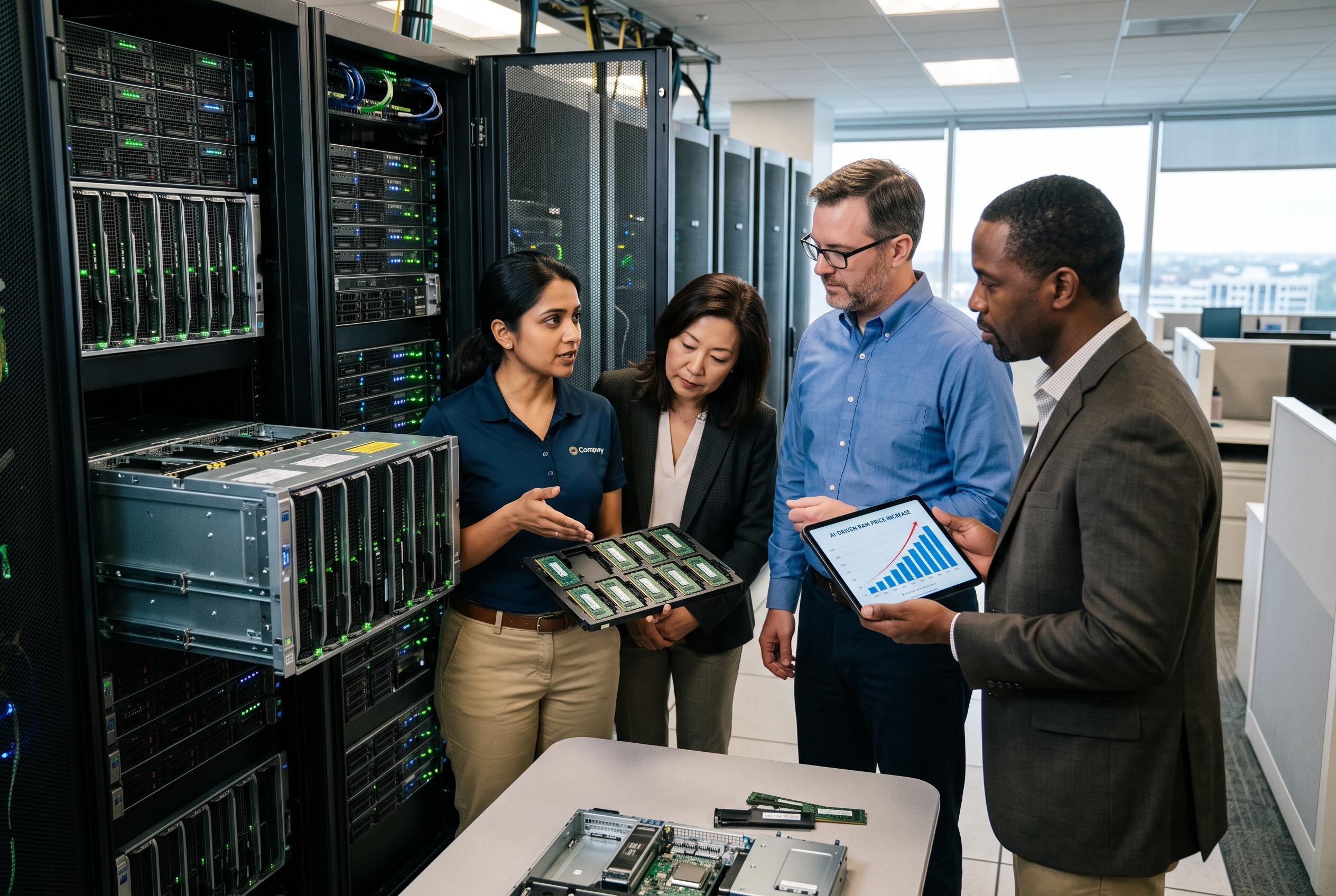

The surge in artificial intelligence applications has caused RAM prices to spike, undoing years of decline and creating a supply shortage that affects devices from smartphones to gaming hardware and automotive electronics.
A software performance specialist has argued that the long decline in RAM prices has effectively been wiped out in a matter of months, as artificial intelligence demand pushes memory costs back to levels last seen nearly two decades ago. Daniel Lemire’s comparison of current pricing with historical memory trends has drawn attention because it suggests not a normal cyclical increase, but a sharp reversal in a market that had generally become cheaper year after year.
Tom’s Hardware said its own checks showed DDR5 memory at roughly $11.41 to $13.28 per GB, a range that lines up with DDR2 pricing from around 2008. PC Gamer reached a similar conclusion after comparing old and new kits, finding that although price per gigabyte can still look lower in nominal terms, buying a usable modern configuration is far more expensive once inflation and capacity needs are taken into account. In practice, the cost of 16 GB and 32 GB kits has risen sharply, making the technology feel less affordable than the raw per-gigabyte figure implies.
The main driver is demand for high-bandwidth memory, or HBM, the specialised chip used in AI systems. Tom’s Hardware reported that memory production is rising by about 20% a year, but that is being overwhelmed by AI-related demand that is growing many times faster. The result is a supply squeeze that memory makers cannot quickly fix, because new semiconductor plants take years and billions of dollars to build. That leaves producers reluctant to gamble on expansion if AI demand later cools.
The effects are spreading beyond desktop PCs. Axios reported that the surge in memory-chip prices is feeding broader cost pressure across smartphones, laptops, cloud services, gaming hardware and automotive electronics. PC Gamer also noted that Corsair is not translating higher RAM prices into windfall profits, in part because elevated component costs and weaker demand are squeezing the market. The wider concern is that what began as a memory shortage may now be a structural change in pricing, with no clear sign yet of when it will ease.
Disclaimer: This content is intended for informational purposes only. Readers are advised to exercise their own judgement, conduct due diligence, or consult a qualified expert before acting on any information provided.