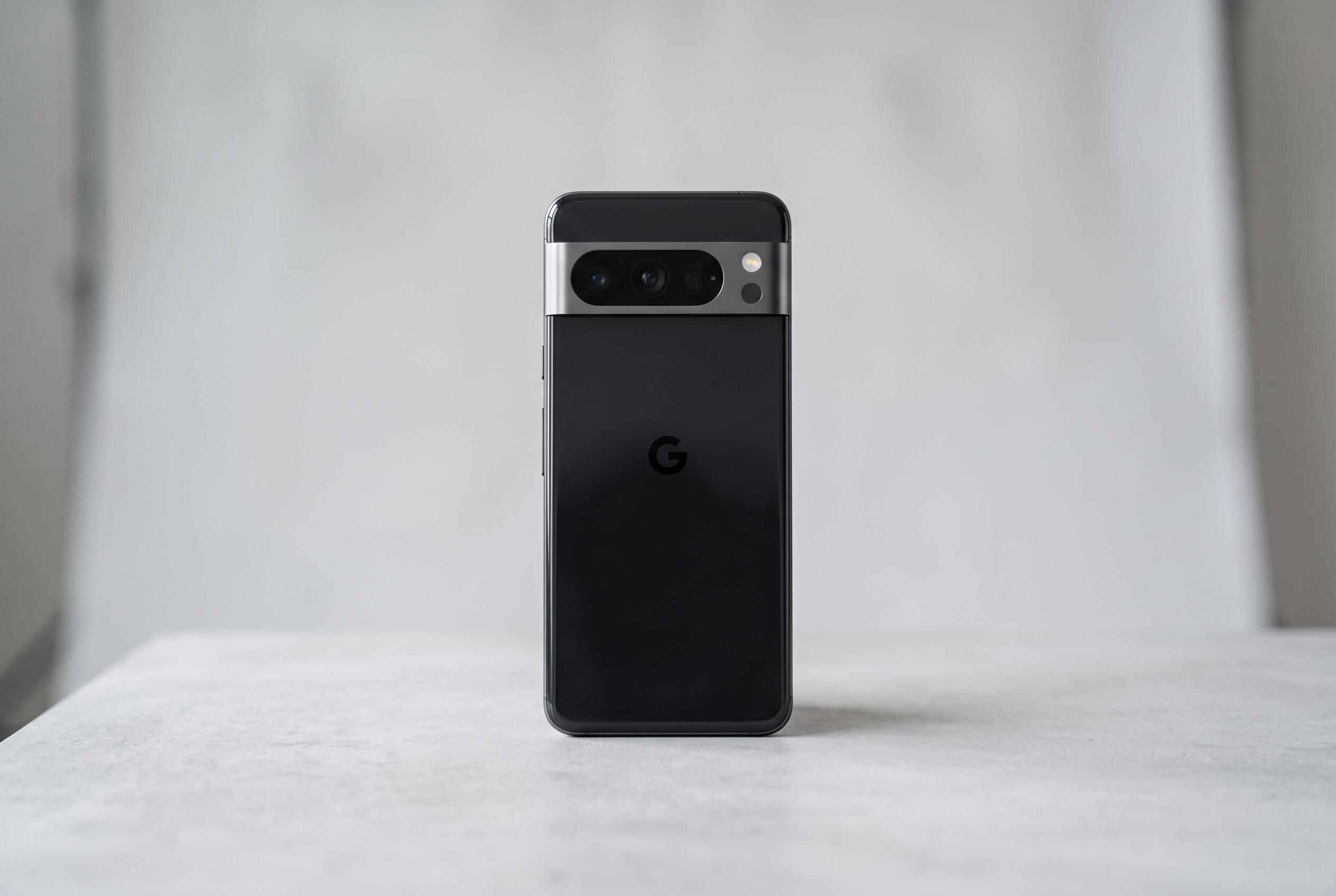

As Google prepares to launch the Pixel 11 on August 12, expectations of an increased starting price and larger storage options highlight how rising component costs are disrupting pricing strategies in the smartphone industry, with implications for both consumers and enterprise buyers.
Google’s next flagship phone is due to arrive on August 12, and the main question for buyers is not the launch date but the price. The Pixel 11 is expected to anchor a broader Made by Google event in New York, with pre-orders starting the same day, but Google has not yet confirmed what the handset will cost in the United States or across Asia-Pacific. That leaves Samsung’s Galaxy S26, already on sale in the region, as the benchmark for comparison. Recent leak reporting suggests the Pixel 11 could start at $899 with 256GB of storage, which would make it more directly comparable with the Galaxy S26’s 256GB base tier.
The storage change matters as much as the sticker price. By moving the base model to 256GB, Google would be narrowing a gap that often makes headline pricing misleading, particularly in markets where 128GB entry models are still used as reference points. The Verge, via TechRepublic’s reporting, has pointed to the same $899 figure, while other leak coverage says the wider Pixel 11 range may abandon 128GB across the board. If that proves accurate, the apparent price increase would partly reflect a storage upgrade rather than a simple rise in margin.
Google has also signalled that pricing pressure is not limited to the Pixel line. Shakil Barkat, Google’s vice president of devices and services, told 9to5Google that the company expects price adjustments as memory and other component costs rise, a problem that is increasingly affecting smartphone makers because AI demand has pushed up memory prices. That helps explain why the Pixel 11 launch is being watched so closely: any increase would not just be a Google decision, but a sign of how the broader handset market is responding to higher bill-of-materials costs.
For regional buyers, direct currency conversion is only a rough guide. TechRepublic noted that the 256GB Galaxy S26 launched at about US$920 in India, US$1,110 in Singapore and US$1,080 in Australia based on local launch prices converted at current exchange rates, but those figures are not the same as official dollar prices. Taxes, promotions and retailer incentives can shift the real gap considerably, and Google is expected to lean on trade-ins and bundled offers in the same way Samsung already does. For enterprise buyers, the launch timing also matters because Android update roll-outs differ between Google and Samsung, which can affect app testing and security approval schedules across managed fleets.
Disclaimer: This content is intended for informational purposes only. Readers are advised to exercise their own judgement, conduct due diligence, or consult a qualified expert before acting on any information provided.