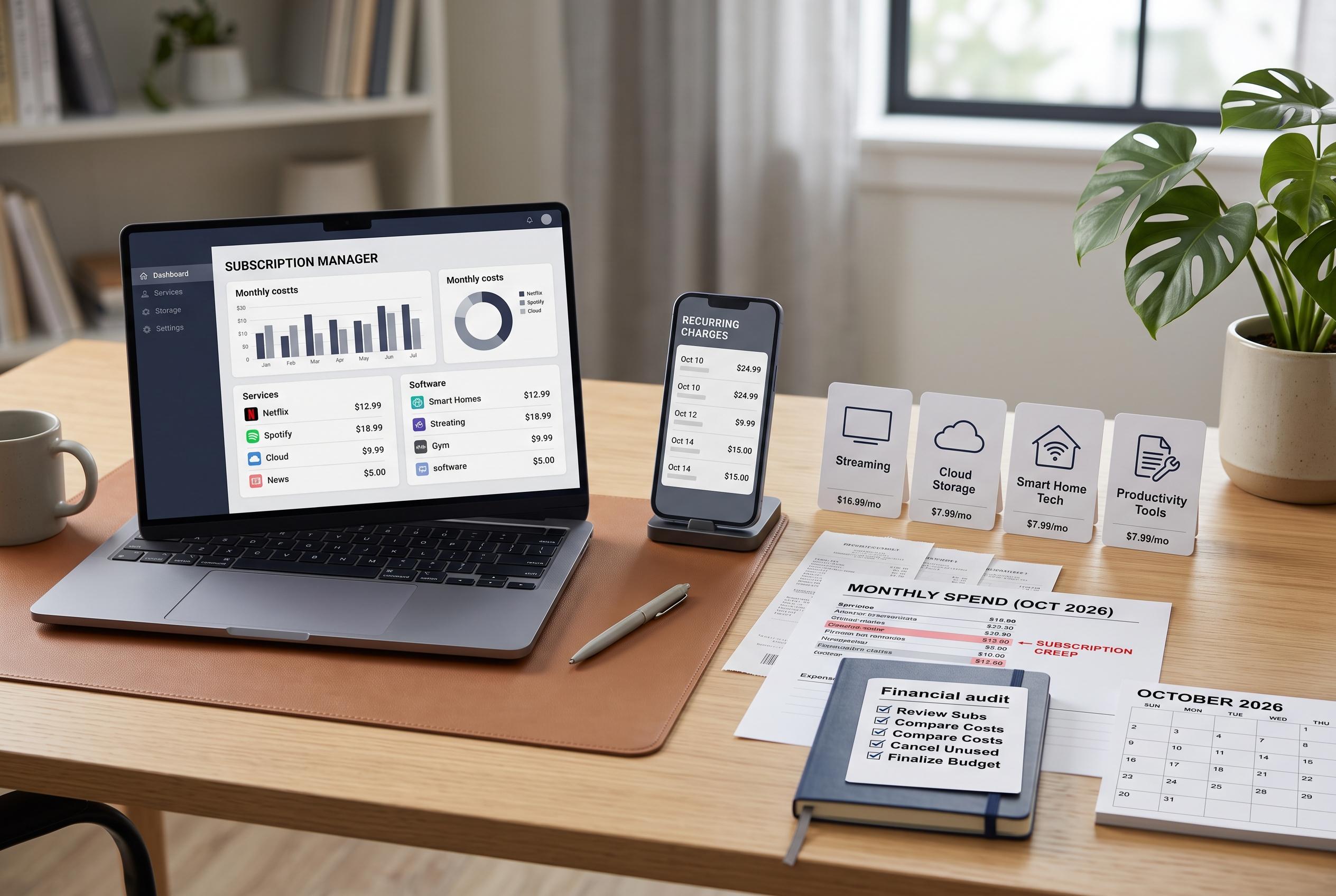

With overlapping and automatically renewed subscriptions spanning streaming, cloud storage, smart home, and productivity tools, households are increasingly burdened by hidden costs and overlooked charges, prompting calls for regular financial audits in 2026.
Small recurring charges rarely look alarming on their own, but in 2026 they can add up to a material drag on household finances. The pattern is no longer limited to entertainment. Streaming, cloud storage, smart home services, productivity software and premium mobile apps now compete for the same monthly budget, and many of them renew automatically unless someone intervenes.
Streaming remains the clearest example of subscription creep. Research cited by FETV suggests the average US household now spends about $69 a month across four or more streaming subscriptions, while XCN News puts the average at 4.1 services and roughly $55 to $75 a month. That overlap matters because many households regularly use only one or two platforms at a time, even as the rest continue billing in the background. Industry guides increasingly recommend “subscription hopping” rather than keeping every service active all year.
The same logic applies to smaller digital subscriptions that are easy to forget. App stores on smartphones can hide recurring charges inside subscription menus, which means fitness trackers, photo editors, note-taking tools and AI assistants may keep renewing long after the trial period ends. Cloud storage is another frequent source of waste, especially when families keep paying for larger plans after deleting files, upgrading devices or no longer sharing storage across multiple accounts. For many households, a cheaper tier would provide the same practical benefit.
Smart home products are adding a further layer of recurring cost. Cameras, video doorbells and alarm systems often bundle cloud recording, advanced detection or professional monitoring into paid plans. Haznos reported that many households rely on cloud storage for security footage and could lose access to recordings without an active subscription, which makes these services more than a convenience add-on. But the value still depends on usage: if paid alerts, archived clips or premium automation features are rarely checked, a lower tier may be enough.
Entertainment and convenience subscriptions also tend to survive because they become routine. Music family plans can lose their edge when children move out or duplicate individual accounts remain active. Subscription boxes, from beauty products to snacks and coffee, often outlive the novelty that justified them. Gaming memberships, meanwhile, make sense only when they are used regularly. In each case, the problem is not the price of a single renewal but the quiet accumulation of services that no longer match actual habits.
Productivity and wellness tools pose a similar challenge. People often pay for separate note-taking, calendar, password management and office apps even when free alternatives or built-in operating system features now cover much of the same ground. Fitness and meditation subscriptions are equally vulnerable to attrition once enthusiasm fades. Digital news memberships deserve a slightly different test: quality journalism can justify payment, but multiple overlapping subscriptions often do not. The stronger approach is to keep the sources that deliver distinct reporting and cancel the rest.
The broader shift is clear. Automatic billing and free-trial conversions have made subscription audits more important in 2026 than many consumers realise. The practical response is straightforward: review bank statements, credit card activity and mobile subscription settings every few months, then sort each charge into essential, optional or forgotten. Households that do this are more likely to keep useful services and cut the ones that survive only because nobody noticed the renewal.
Disclaimer: This content is intended for informational purposes only. Readers are advised to exercise their own judgement, conduct due diligence, or consult a qualified expert before acting on any information provided.