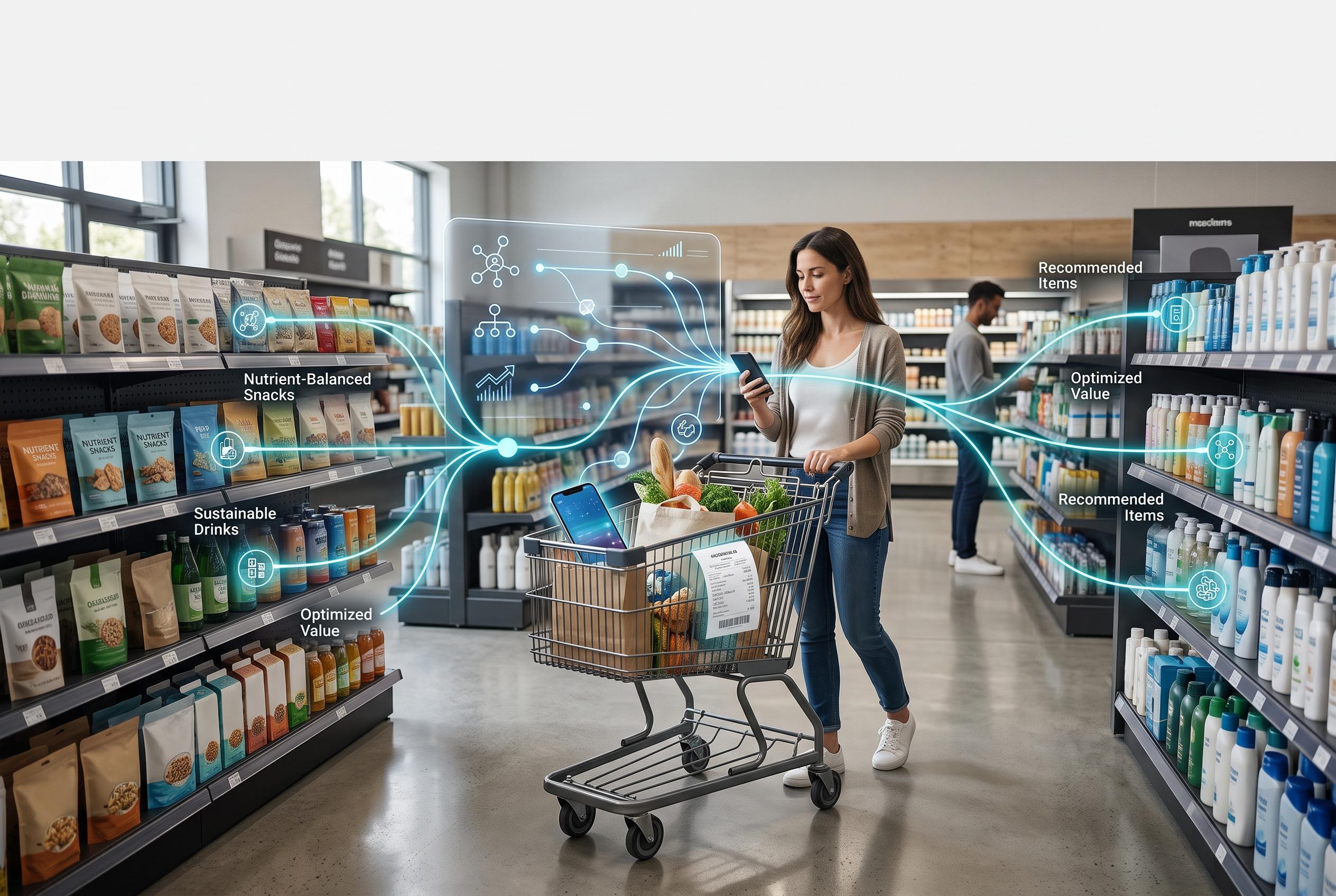

New research indicates that AI systems with autonomous decision-making capabilities will influence a growing share of global household expenditure, heralding a fundamental shift in how brands engage with consumers.
Marketing is entering a phase in which AI systems are no longer just recommending products but helping to decide what consumers see, compare and buy. New research from PHD and WARC suggests that spending influenced by agentic AI will rise sharply over the rest of the decade, reaching $3.35 trillion by 2030, up from an estimated $944 billion this year. The report argues that these tools are becoming part of the decision-making layer between brands and buyers, especially where purchases are frequent, data-rich or repetitive.
According to the study, the strongest growth is expected in travel and transport, food, media and publishing, consumer goods and utilities. PHD and WARC say the technology will first take hold in categories where consumers want speed and convenience, before spreading more widely into sectors that have traditionally depended heavily on brand-led marketing. The report also forecasts that agent-facilitated spending will increase its share of global household expenditure from 1.3% to 3.8% by 2030.
The research defines agentic AI as systems that can understand a goal, plan the steps needed and act independently. Its authors say the shift is not about replacing consumers entirely, but about changing how choice is delegated. In practical terms, that means AI may increasingly shortlist options, compare prices, handle routine tasks and complete transactions on a user’s behalf. For marketers, the implication is that campaigns will need to appeal both to human preferences and to machine logic.
Industry commentary around the report points to a broader adjustment already under way in digital commerce. As AI tools become more embedded in search, shopping and customer service, brands are being pushed to rethink discovery, trust and conversion. The report’s central warning is straightforward: companies that do not adapt to machine-mediated purchasing may find themselves screened out before a shopper ever reaches the final decision.
Disclaimer: This content is intended for informational purposes only. Readers are advised to exercise their own judgement, conduct due diligence, or consult a qualified expert before acting on any information provided.