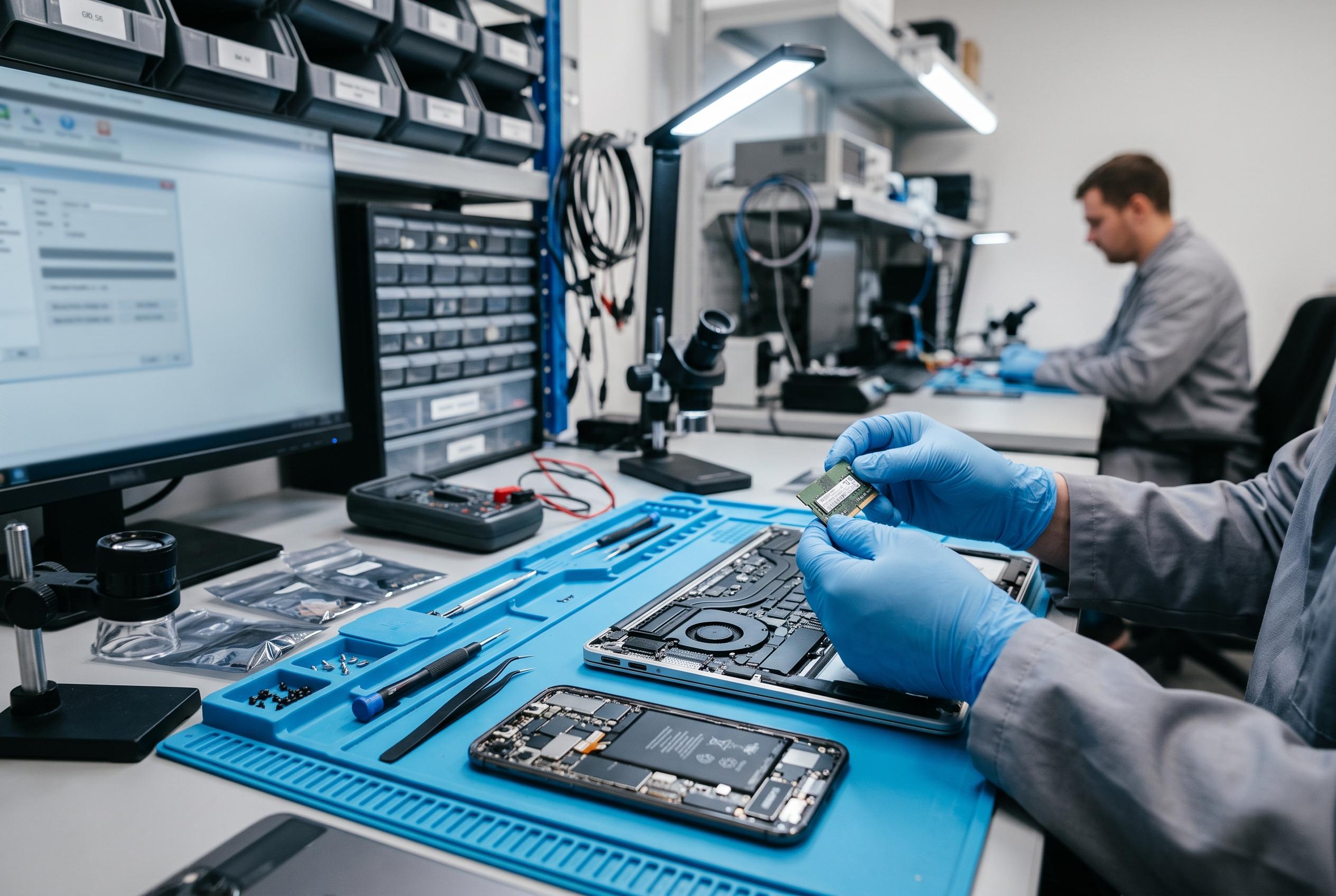

Global memory constraints driven by artificial intelligence are prompting smaller smartphone and laptop manufacturers to overhaul product design, source second-hand components, and intensify inspection processes, signalling a disruptive shift in supply chain dynamics and sustainability efforts.
A global memory squeeze driven by artificial intelligence is forcing smaller smartphone and laptop makers to redesign products, place orders long before launch and, in some cases, inspect every shipment for counterfeit or recycled chips, according to Reuters and reporting from Tom’s Hardware. For companies without the scale of the largest handset or PC brands, the problem is no longer only price. It is whether they can secure enough memory at all.
Fairphone says memory now accounts for nearly 60% of the bill of materials in a phone priced at about $400, a level that makes the component shortage a direct threat to margins and product planning. The issue is particularly acute in lower-cost devices, where memory already represents a large share of total cost and there is little room to absorb further increases. Reuters reported that some manufacturers are being forced to order months ahead of schedule and to test incoming chips to confirm they are genuine and unused.
The pressure has been building for months. In July, SK Hynix chief executive Kwak Noh-jung said 2027 would be the “worst year” of the shortage and suggested the crunch could run on until 2030. That bleak outlook has been echoed by industry and analyst commentary cited in recent coverage, which links the squeeze to heavy demand for high-bandwidth memory, server DDR5 and enterprise solid-state storage used in AI infrastructure. Counterpoint Research also expects global smartphone shipments to fall sharply this year, underlining how supply constraints are colliding with weaker demand.
Some manufacturers are responding by changing the hardware itself. Finnish phone maker Jolla has built two motherboard variants so it can switch between different memory package configurations depending on what is available. The company is also checking samples from every batch to reduce the risk of being sold refurbished parts as new stock. In a market where supply is tight, product design is becoming a procurement strategy.
Framework, which has built its laptop business around repairability and modularity, is taking a different approach. Customers can reuse memory recovered from older machines or buy second-hand modules, giving the company an alternative supply channel when the new-parts market is constrained. It is also placing non-cancellable orders well in advance, even when final pricing and delivery volumes remain uncertain. Earlier this year, the company sharply increased prices for some Framework Laptop 13 Pro memory configurations after a supplier cost update, before later cutting those prices again after securing cheaper inventory.
The shortage is also reviving the market for used devices. TechRadar reported that tighter supply is making old or damaged phones more valuable because displays, batteries, cameras and memory-related components can be recovered and reused. That shift matters beyond environmental arguments. It suggests the economics of repair and refurbishment are changing because parts that once had little resale value are now worth salvaging.
Disclaimer: This content is intended for informational purposes only. Readers are advised to exercise their own judgement, conduct due diligence, or consult a qualified expert before acting on any information provided.