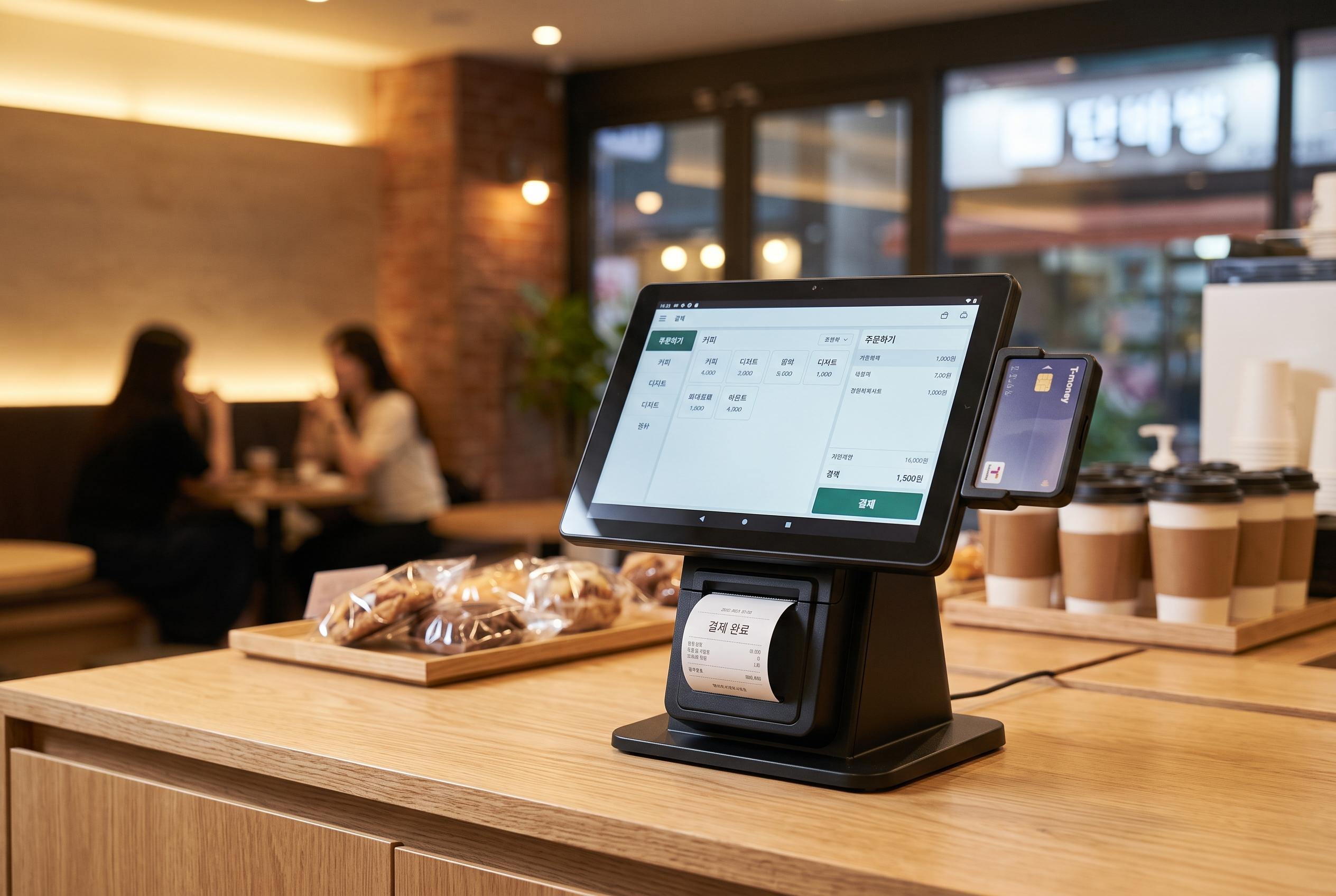

Android-based POS terminals have transitioned from a niche to leading platform globally, expanding their market share despite industry-wide shipment growth stagnation and rising hardware costs, with Asia-Pacific leading adoption.
Android-based point-of-sale terminals have moved from a niche option to the industry’s main platform, even as the broader market has slowed. Counterpoint Research said global POS device shipments rose just 1% in 2025, while Android accounted for about 48% of terminals shipped and is projected to reach roughly 70% of global shipments by 2032. That suggests the software transition is largely established, with pricing now the main variable shaping near-term demand.
The shift marks a clear break from the proprietary operating systems that once dominated the sector. According to Counterpoint, Android has gained ground because it supports cloud-connected, software-defined terminals that can be updated over the air and expanded with more applications. That makes it easier for merchants to add functions such as inventory control, loyalty schemes, customer analytics and workforce tools, turning payment devices into broader business management systems. The platform also fits better with digital wallets, QR-code payments and biometric authentication, while its familiar interface can reduce training time for staff.
For manufacturers, however, the move to Android is colliding with a harder cost environment. Counterpoint said POS shipments were restrained by memory-chip inflation as well as tariffs and broader macroeconomic pressure. Matsuda POS said DRAM and NAND flash prices rose by nearly 30% in the final quarter of 2025, adding to bill-of-materials costs across hardware categories. Counterpoint said Android SmartPOS terminals are most exposed because they need more memory, which can push up average selling prices, while mPOS devices should feel less pressure and unattended terminals less still.
The longer-term outlook remains constructive despite that squeeze. Counterpoint expects POS shipments to grow at a 4% compound annual rate between 2025 and 2032, with Android terminals expanding faster at 6% a year. The strongest adoption is in Asia-Pacific, particularly China, India and south-east Asia, where local manufacturers have pushed Android-first products. Grand View Research separately said the broader mobile POS terminal market was worth $52.5 billion in 2025 and is being supported by cashless commerce and digital-first customer behaviour. SoftPOS, which turns standard smartphones into payment devices, will continue to take some low-end demand, but Counterpoint said it is unlikely to replace the core attended and unattended terminal market where Android SmartPOS is concentrated.
Disclaimer: This content is intended for informational purposes only. Readers are advised to exercise their own judgement, conduct due diligence, or consult a qualified expert before acting on any information provided.