
The global memory industry tightens as Apple struggles to secure a fourth DRAM supplier, exposing a market prioritising AI and HBM production over consumer needs with supply agreements locking out smaller buyers until at least 2028.
Apple’s struggle to line up a fourth DRAM supplier has become a snapshot of a market that has effectively shut its doors for 2027. According to reporting cited by Sammy Fans, ChangXin Memory Technologies, or CXMT, refused to undercut Samsung and SK Hynix, leaving Apple without a cheaper alternative and underscoring how little spare capacity remains in the global memory industry.
The wider DRAM market is already spoken for. Industry reports say Samsung, SK Hynix and Micron have locked in most 2027 output well ahead of schedule, with buyers receiving only 60% to 70% of requested volumes in many cases and being asked to make advance payments, sometimes in full, before supply is guaranteed. TechTimes reported that this has turned what was once a quarterly procurement exercise into a far tighter, contract-driven process.
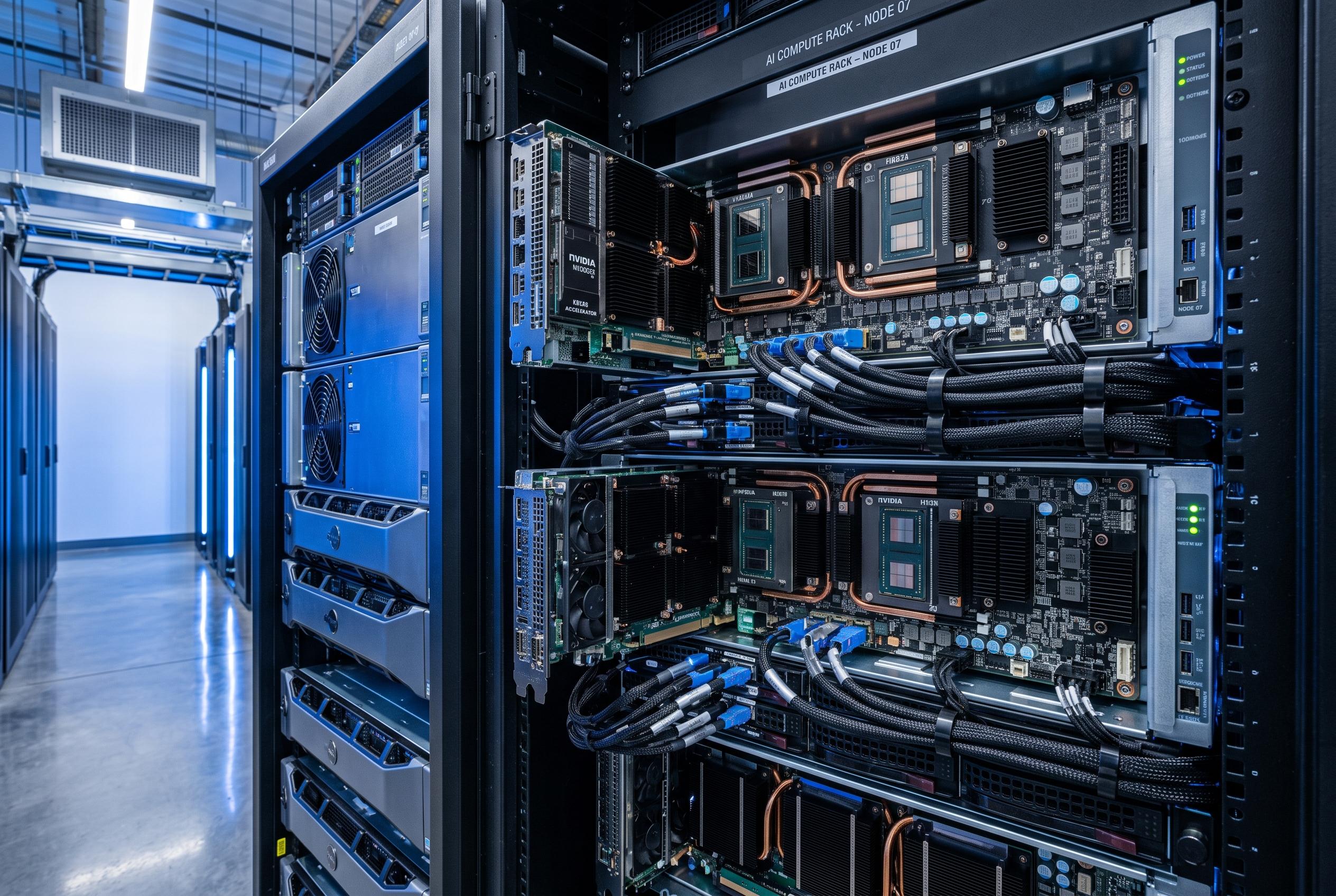
The pressure comes largely from high-bandwidth memory, or HBM, the specialised chip stack used in artificial intelligence accelerators. HBM production consumes far more fabrication capacity than conventional DRAM and delivers higher revenue per wafer, so manufacturers have every incentive to prioritise it. That shift has left consumer electronics makers, PC vendors and module houses with less conventional memory to fight over, while independent module makers face especially sharp cuts, including a reported 70% year-on-year decline in supply.
Apple’s search for another supplier was not just a commercial exercise but a political one as well. CXMT is listed by the Pentagon as a Chinese military company, which meant any deal would have needed US government clearance. MacRumors and other technology outlets reported that the company had explored Chinese memory suppliers earlier this year, but the latest reports suggest that path has now closed, at least for the near term.
What makes the situation unusual is that Apple is not a marginal buyer. It has long used its scale to play suppliers against one another, especially in memory negotiations. If Apple could not secure a meaningful price break from CXMT, even while facing rising memory costs from existing vendors, smaller manufacturers have far fewer options and even less bargaining power.
The result is a two-tier market. Large cloud and AI buyers with long-term agreements are largely protected, while everyone else is left chasing short-term availability in a market that no longer behaves like a normal spot market. Tom’s Hardware has described the environment as one of hourly price swings, and industry executives have warned that smaller buyers are effectively fighting for survival.
Some companies are already adapting by turning to alternative sources. Tom’s Hardware reported that a number of PC makers have begun using small amounts of CXMT memory in notebooks sold outside the US, mainly to ease supply pressure without upsetting their established relationships with Samsung, SK Hynix and Micron. That is a stopgap, not a solution, and it is unlikely to change the broader supply picture.
For buyers without long-term allocations, the practical choices are limited: use secondary-market memory, stretch procurement timelines, or redesign products and workloads to use less memory. For AI infrastructure, that can mean shifting some tasks to cloud inference services rather than buying hardware outright. For storage, the outlook is slightly better, but even there the window is narrowing as NAND allocations tighten too.
The bigger question is when relief might arrive. Analysts and suppliers do not expect a return to normal pricing soon, and some say the market may not ease until 2028 or later. By then, however, manufacturers will still be making the same calculation: HBM earns far more per wafer than standard DRAM, so even fresh capacity may not translate into broad relief for ordinary buyers.
Disclaimer: This content is intended for informational purposes only. Readers are advised to exercise their own judgement, conduct due diligence, or consult a qualified expert before acting on any information provided.