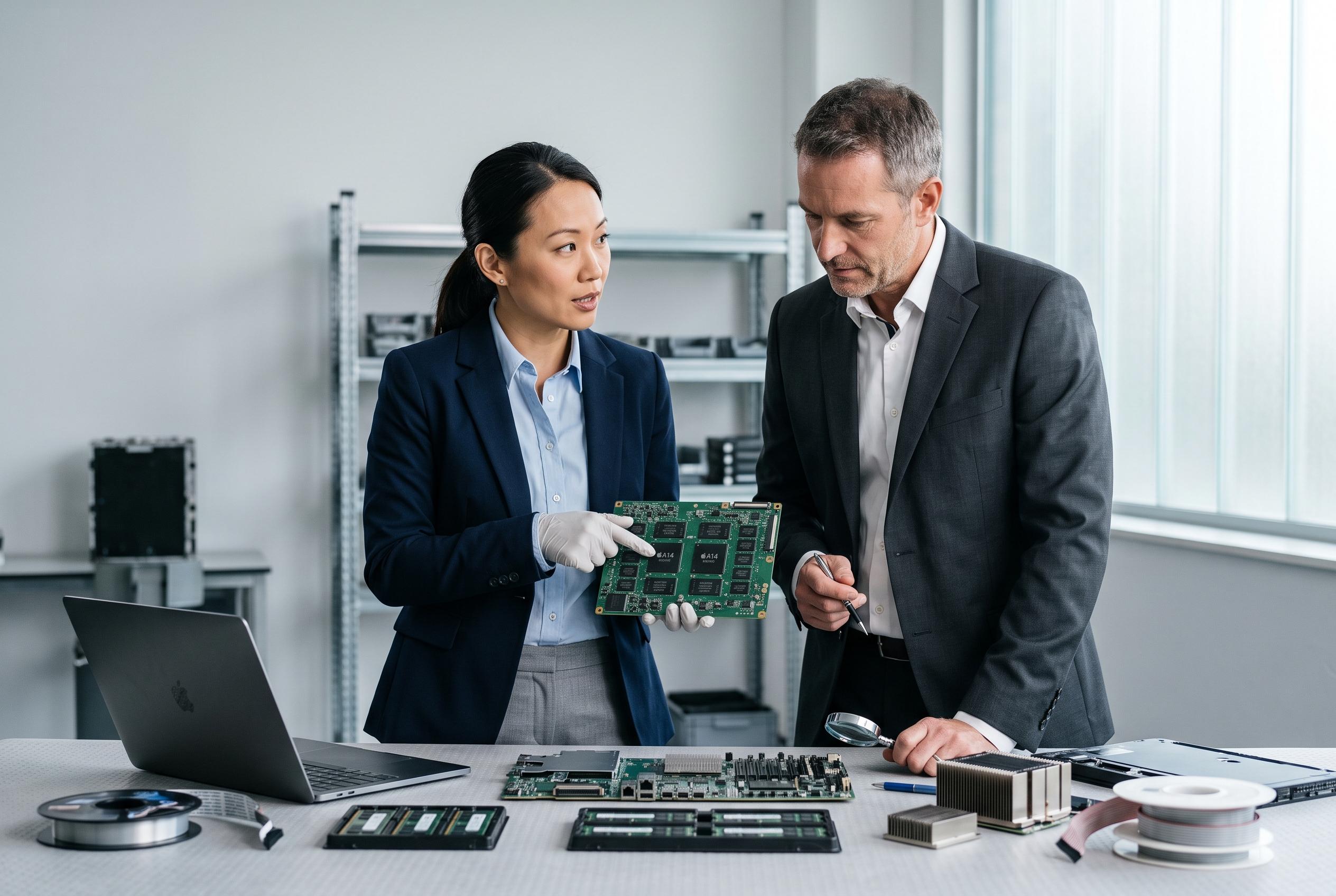

Apple’s efforts to diversify its memory sourcing amid ongoing market constraints are unlikely to lower prices, as Chinese suppliers remain under scrutiny and demand for chips driven by AI accelerates price hikes across the tech sector.
Apple’s attempt to widen its memory supply chain has run into the same market forces squeezing consumers and device makers across the technology sector. According to Digital Trends, the company has been testing chips from ChangXin Memory Technologies, or CXMT, in some products sold in China, but the move is not expected to deliver meaningful relief on price because much of the company’s output is already committed and the market remains tight. CXMT is also under scrutiny in the US over alleged links to the Chinese military.
That matters because Apple is already being forced to absorb higher input costs. Digital Trends reported that the company has raised prices on several Macs and iPads, and has also increased AppleCare+ charges for new Mac and iPad customers. Chief executive Tim Cook has said higher prices are “unavoidable” as DRAM and NAND storage costs climb, with AI infrastructure consuming huge volumes of the same chips used in consumer devices.
The broader market picture suggests the pressure may last well beyond this year. Counterpoint Research, as cited by Digital Trends, warned that memory prices may not fall until 2027, because manufacturers are directing capacity towards higher-margin components for AI accelerators rather than conventional RAM and storage for phones and PCs. That shift is leaving standard memory buyers competing for a smaller share of supply.
Apple has also reportedly pressed US officials for permission to source DRAM from CXMT and NAND flash from Yangtze Memory Technologies, or YMTC, for products sold outside the United States. Digital Trends said the request reflects Apple’s effort to diversify supply, but it is unlikely to solve the pricing problem if the Chinese supplier continues to command strong demand from domestic manufacturers and remains short of spare capacity.
The result is a market where scale no longer guarantees cheap components. Apple may be able to secure supply, but that is not the same as securing leverage over pricing. For consumers, the consequence is more expensive upgrades, higher repair costs and fewer signs that memory inflation will ease quickly. Digital Trends noted that even modest hardware changes, such as a small RAM increase in the next iPhone generation, are more likely to support AI features than to translate into lower bills.
Disclaimer: This content is intended for informational purposes only. Readers are advised to exercise their own judgement, conduct due diligence, or consult a qualified expert before acting on any information provided.