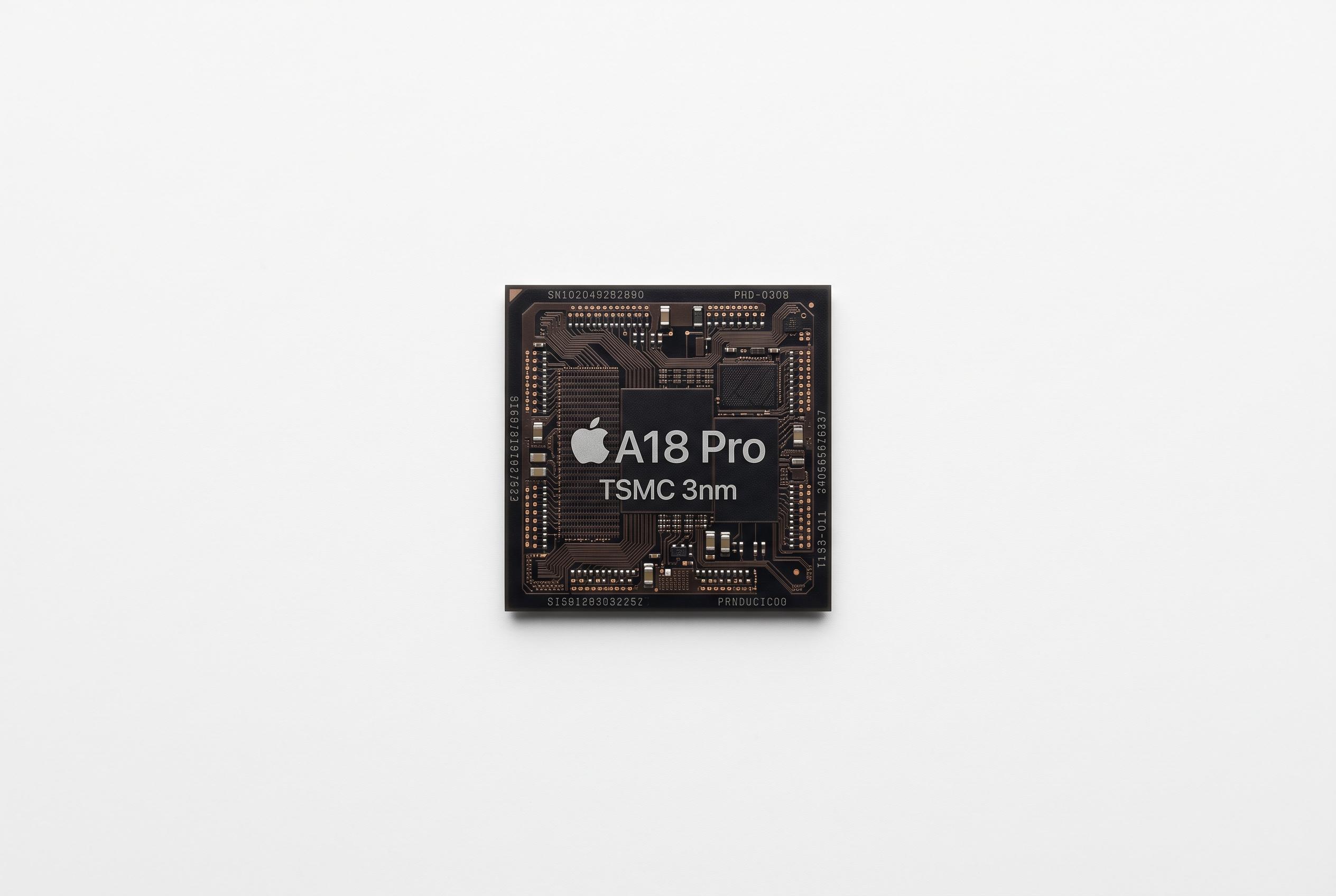

A shift towards denser on-device AI architecture in Apple’s latest iPhone 18 Pro chips has led to a supply chain bottleneck, revealing how ambitious performance upgrades can stretch component availability and impact product launches.
Taiwan Semiconductor Manufacturing Company is sitting on about $1 billion of finished Apple A20 Pro silicon that cannot move into final assembly because the memory it needs is not available. The chip, which is expected to power the iPhone 18 Pro family, has already been produced on TSMC’s new 2-nanometre N2 process with strong yields, according to reporting by Taipei-based journalist Tim Culpan. The blockage now lies in packaging, where TSMC’s new wafer-level multi-chip module process requires LPDDR5X memory to be present at the same stage as the processor. With that memory already tied up by AI customers, completed silicon is piling up while Apple’s September launch window approaches.
The issue is not a fabrication failure or a quality problem. It is a sequencing problem created by Apple’s decision to move the A20 Pro to TSMC’s WMCM package, a design that integrates the processor and DRAM earlier in production than Apple’s previous approach. Under the older InFO method, memory could be attached after the main chip was fabricated, allowing Apple to stockpile logic dies first and add memory later. WMCM removes that flexibility. If LPDDR5X is missing when the packaging step begins, the whole batch waits. According to reporting by TechSpot and corroborating details from other industry coverage, that is why TSMC has functional chips sitting idle rather than a traditional inventory of half-finished components.
The capacity squeeze reflects a broader shift in the memory market. Samsung, SK Hynix and Micron still dominate DRAM supply, but they have redirected much of their production towards high-bandwidth memory for AI accelerators, which earns far more per wafer than LPDDR5X. That has pushed mobile memory prices sharply higher and left Apple searching for alternatives. The company spent months trying to qualify China’s CXMT as a fourth source, but industry sources said that effort collapsed on August 5 after CXMT refused to offer Apple a discount and quoted prices at or above those of established suppliers. Analysts also said CXMT’s LPDDR5X would not meet Apple’s performance needs. For Apple, the result is a supply chain with very little spare room.
The practical effect will be felt not at the factory, but at launch. Reported assembly plans still suggest Apple can satisfy initial demand for the iPhone 18 range, yet the buffer of pre-launch stock is likely to be thinner than usual. Ming-Chi Kuo warned in late June that Apple’s pull-in volumes for A20 and A20 Pro chips would be 10% to 20% below target through the first quarter of 2027, a sign that shortages could persist well beyond the keynote. The standard iPhone 18 is expected to revert to older InFO packaging specifically to avoid spreading the WMCM constraint across the whole line. That may shield the base model, but it also leaves the Pro tier exposed to tighter availability if the LPDDR5X crunch continues.
The wider significance is that this is not an ordinary parts delay. It is a consequence of Apple’s own push towards denser on-device AI performance. WMCM shortens the path between processor and memory, which improves bandwidth, lowers latency and reduces power draw, all useful for Apple Intelligence workloads that run locally on the handset. But the same architecture that improves performance also makes the chip far more dependent on a scarce memory market now being pulled towards data-centre AI demand. In that sense, Apple’s supply problem is not an isolated disruption. It is a direct by-product of the technology transition that the company chose.
Disclaimer: This content is intended for informational purposes only. Readers are advised to exercise their own judgement, conduct due diligence, or consult a qualified expert before acting on any information provided.