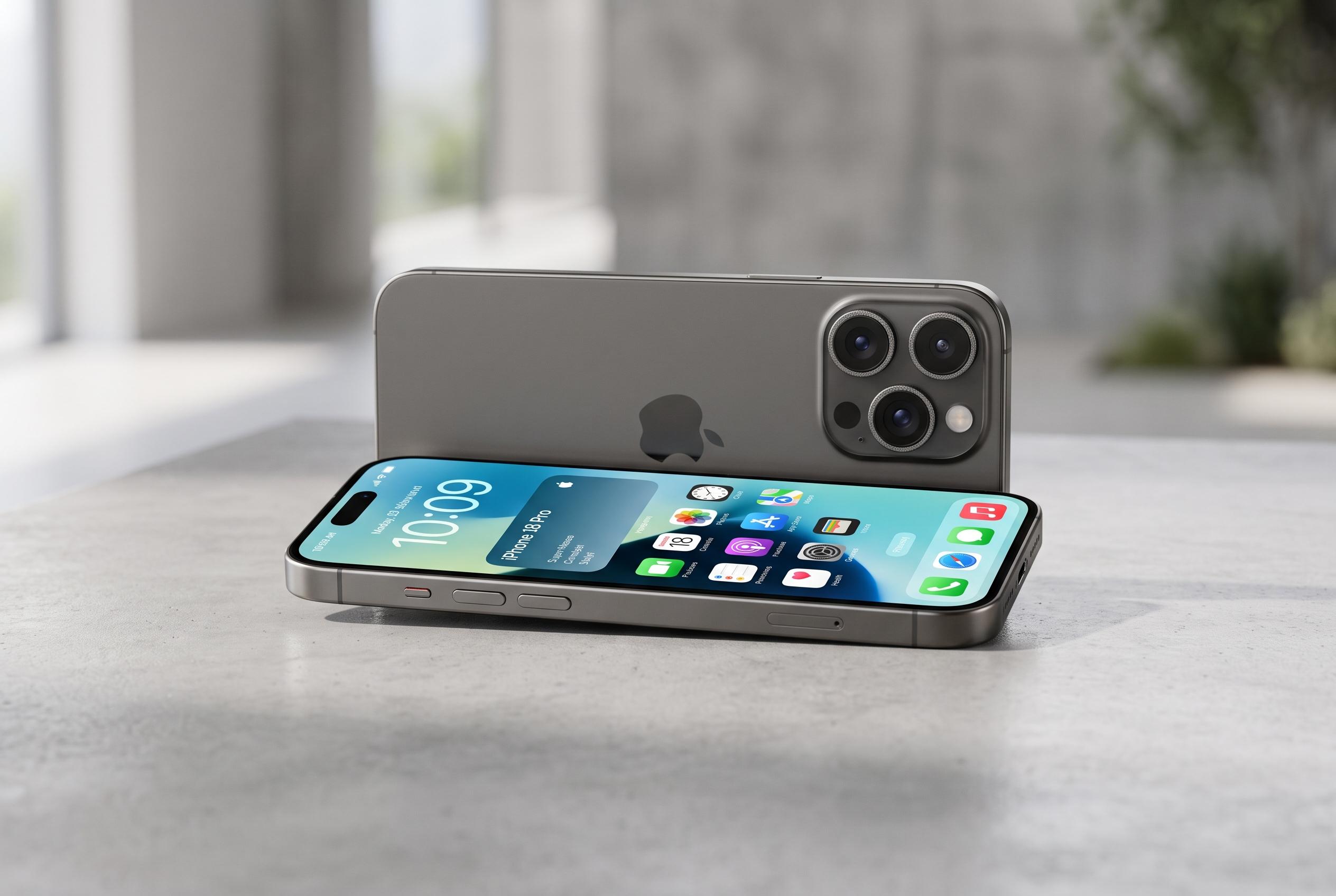

Apple plans to stagger the release of the iPhone 18 range, prioritising premium models amid supply constraints and boosting trade-in values to soften upgrade costs, marking a significant shift in its traditional unveiling cycle.
Apple is preparing to divide the iPhone 18 cycle into two distinct launches, according to reporting cited by MacRumours, with the higher-end models expected first and the more affordable handsets following months later. The pattern would see the iPhone 18 Pro, iPhone 18 Pro Max and Apple’s first foldable device arrive in September 2026, while the standard iPhone 18, iPhone Air 2 and iPhone 18e are said to be held back until spring 2027. The timing would mark a notable shift from Apple’s usual single annual unveiling and would also give the company a longer runway for its premium devices before the holiday shopping period.
The move appears to be linked to wider pressure on memory supply, particularly DRAM, as manufacturers divert capacity towards high-bandwidth memory used in artificial intelligence systems, according to the original reporting. In that context, splitting launches would allow Apple to prioritise its most expensive phones while managing component constraints across the rest of the range. Industry speculation also suggests the strategy would give chief executive John Ternus a strong first product cycle if he takes the helm during that period.
Apple is also raising trade-in values for selected devices, a change that could help soften the cost of upgrading ahead of the next iPhone generation. On Apple’s trade-in pages, the iPhone 16 Pro Max is now valued at up to $720, compared with $695 previously, while the iPhone 16 Pro rises to $630 from $560. The iPhone 15 Pro Max is listed at up to $530, and the iPhone 14 Pro Max at $405. Several Android handsets are included as well, with the Galaxy S22 Ultra 5G offered at $125 and the Pixel 9 Pro XL at $315.
MacRumours notes that Apple has adjusted trade-in prices repeatedly over the past 18 months, with some values increasing and others falling depending on model and timing. In the United States, the company has also periodically ended promotional bonus credit on trade-ins, making these estimates an important part of the upgrade equation for customers. Research cited by Consumer Intelligence Research Partners suggests nearly half of iPhone buyers trade in or sell an old device when purchasing a new one, underlining how central resale value has become to Apple’s sales cycle.
Disclaimer: This content is intended for informational purposes only. Readers are advised to exercise their own judgement, conduct due diligence, or consult a qualified expert before acting on any information provided.