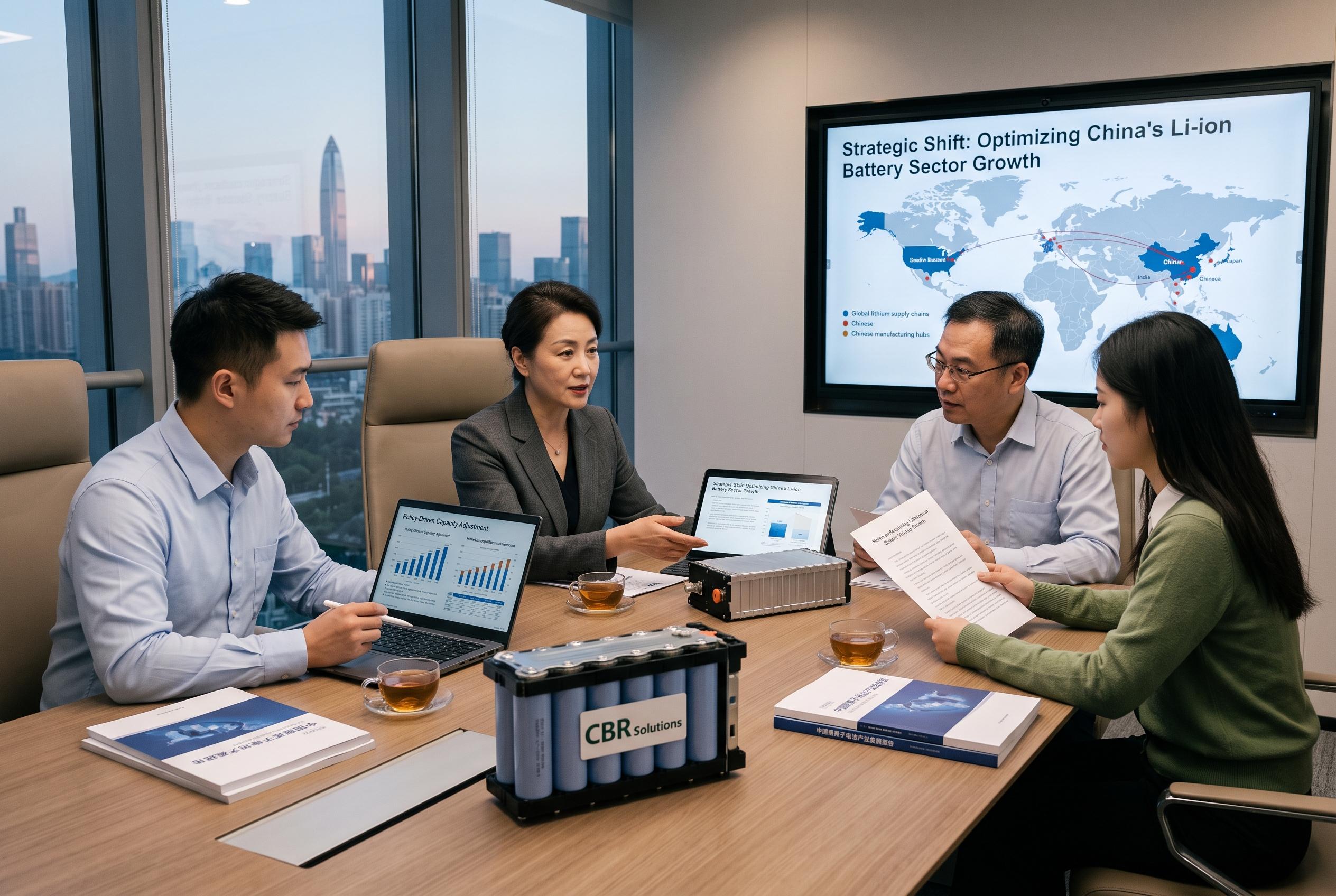

China plans to end its long-standing tax exemption for lithium-ion batteries from 2026, marking a significant policy shift that could slow demand growth and alter investment prospects in the sector.
China’s decision to end its long-running tax break for lithium-ion batteries marks a clear policy turn in a sector that has been heavily supported since 2015. According to multiple reports, the exemption will be withdrawn from 1 September 2026, with a 2% consumption tax introduced first and then raised to 4% from 1 September 2027. The change was announced in July by the Ministry of Finance, the General Administration of Customs and the State Taxation Administration.
The move matters because China is the largest producer and consumer of lithium-ion batteries, as well as the dominant buyer of mined lithium. By removing a tax incentive that helped drive capacity expansion, Beijing is signalling that it wants the sector to move from rapid build-out to more restrained growth. That points to a softer outlook for lithium demand than many miners had assumed, particularly if battery output now expands at a slower pace than previously forecast.
The policy also highlights a shift in how China views its battery industry. Reports from China-focused and industry outlets say the exemption was originally intended to support a young strategic industry and that its removal reflects the sector’s maturity. At the same time, the tax does not apply to sodium-ion and solid-state batteries until the end of 2028, which suggests Beijing still wants to steer investment towards newer chemistries rather than rely solely on conventional lithium-ion technology.
For lithium investors, the consequence is a possible reset in earnings and demand expectations. The earlier investment case rested on strong Chinese battery growth and rising lithium consumption, but that thesis is now less secure if policy itself is dampening expansion. In practice, that could keep pressure on prices for longer, force mining companies to trim guidance and widen the gap between well-capitalised producers and higher-risk developers.
Disclaimer: This content is intended for informational purposes only. Readers are advised to exercise their own judgement, conduct due diligence, or consult a qualified expert before acting on any information provided.