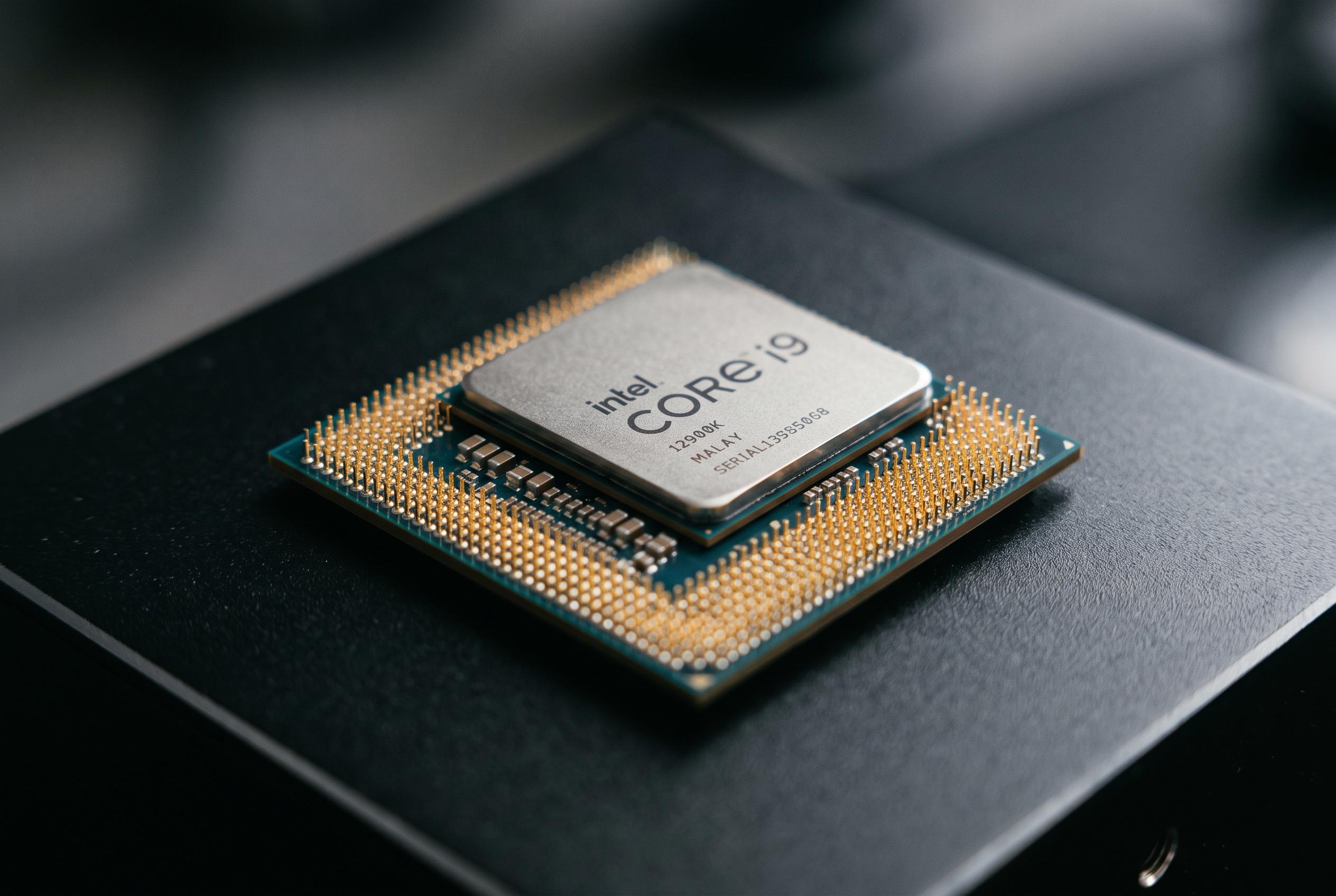

Intel’s latest equity offering, combined with strong earnings and strategic shifts, bolster its turnaround prospects amid debates on profitability and market positioning, as the company accelerates its AI and foundry ambitions.
Intel shares climbed after a series of developments reinforced confidence in the company’s turnaround, including a large equity raise, stronger quarterly results and fresh speculation about new business lines. The stock rose 3.3% on Wednesday, touching an intraday high of $103.16 before ending at $100.95, with trading volume running well above normal. Much of the attention has centred on Intel’s $20 billion share offering, priced at $95 a share, which investors have read as a sign that management intends to keep funding its foundry and AI ambitions aggressively.
The financing comes as Intel tries to prove that its capital-intensive manufacturing strategy can deliver returns. The company has said the proceeds will support AI chips, production capacity and its contract manufacturing effort. Bank of America has framed the deal as a positive signal on the foundry push and kept a Buy rating with a $145 target. Tom’s Hardware reported that the sale drew exceptionally strong demand, with underwriters potentially able to lift the total haul if options are exercised, underlining how closely Wall Street is watching the next phase of Intel’s factory build-out.
Recent earnings have also helped the narrative. Intel reported quarterly revenue of $16.13 billion, up 25.2% from a year earlier and ahead of expectations, while adjusted profit also beat estimates. The company said data-centre demand and AI PC activity are aiding the recovery, and its foundry division posted 31% revenue growth while narrowing operating losses to $2.1 billion. Intel has also guided for third-quarter 2026 earnings per share of $0.38, a target that sits above consensus forecasts.
Still, the debate around Intel remains unsettled. Market commentary is split between investors who view the capital raise and Chief Executive Lip-Bu Tan’s strategy as evidence of a credible recovery and those who argue the group remains behind rivals such as AMD in AI execution and profitability. Reports have also suggested Intel is considering a return to the memory market, including technologies that combine memory and processors, which could add another revenue stream if AI infrastructure demand keeps expanding. But the move would add to the company’s already heavy investment burden, and the enlarged share sale also raises concerns about dilution and weaker per-share earnings in the near term.
Disclaimer: This content is intended for informational purposes only. Readers are advised to exercise their own judgement, conduct due diligence, or consult a qualified expert before acting on any information provided.