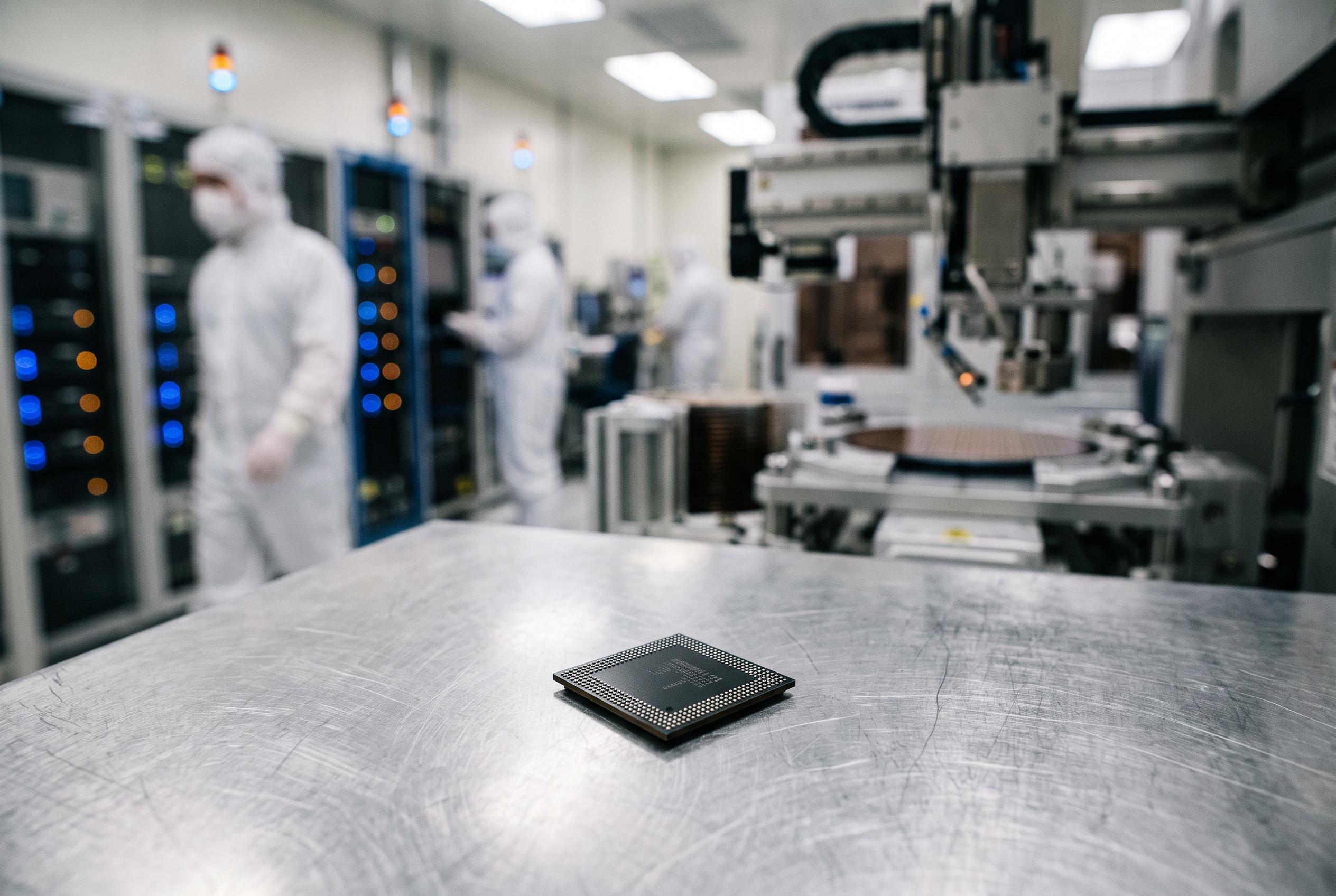

Memory chip prices are climbing again amid surging AI demand, prompting major manufacturers to expedite capacity plans, while industry analysts warn the shortage will persist for years due to manufacturing constraints.
Memory chip prices are climbing again as artificial intelligence demand tightens supply across the market, with high-bandwidth memory now commanding record export prices and standard DRAM also becoming scarcer. According to the Korea International Trade Association, the average export price of HBM reached $76.13 at the end of July, the first time it has moved above $70, while the average DRAM export price rose 24.3% in the same month to $22.9.
The shift reflects the rapid ramp-up of HBM4, the next generation of memory used in AI accelerators such as Nvidia’s forthcoming Vera Rubin platform. Industry figures show that output is being absorbed by long-term supply deals with major technology customers, but production remains constrained because HBM4 is still early in mass manufacturing and has lower yields than earlier versions. That means more DRAM is consumed per unit, which is worsening the broader shortage.
Samsung Electronics and SK hynix are responding by accelerating capacity plans and reconsidering where future production should sit. Samsung is reported to be weighing whether to convert part of its Pyeongtaek foundry operation into a memory line, while SK hynix is said to be examining a new plant in Japan and has already broken ground on its first US HBM packaging facility in Indiana, due to begin production in the second half of 2029. Reuters has also reported South Korea’s broader effort to expand memory capacity through a large public-private investment plan, underlining how central the sector has become to the country’s industrial strategy.
The pressure is not confined to Korea. Nvidia’s enormous procurement commitments show how aggressively AI hardware makers are locking in memory supply, while Chinese producer YMTC is also expanding ambition in NAND flash, adding another layer of competition to the global market. For now, analysts quoted by the Korea International Trade Association say the shortage is unlikely to ease quickly, because new fabs and packaging lines take years to bring on stream.
That supply squeeze is feeding through to earnings expectations. Market consensus cited in the Korean report points to record third-quarter results for both Samsung and SK hynix, with Samsung seen crossing 100 trillion won in operating profit for the first time and SK hynix also posting a sharp quarterly rise. Even so, industry specialists warn that extra capacity will only reduce the shortage gradually, rather than remove it altogether.
Disclaimer: This content is intended for informational purposes only. Readers are advised to exercise their own judgement, conduct due diligence, or consult a qualified expert before acting on any information provided.