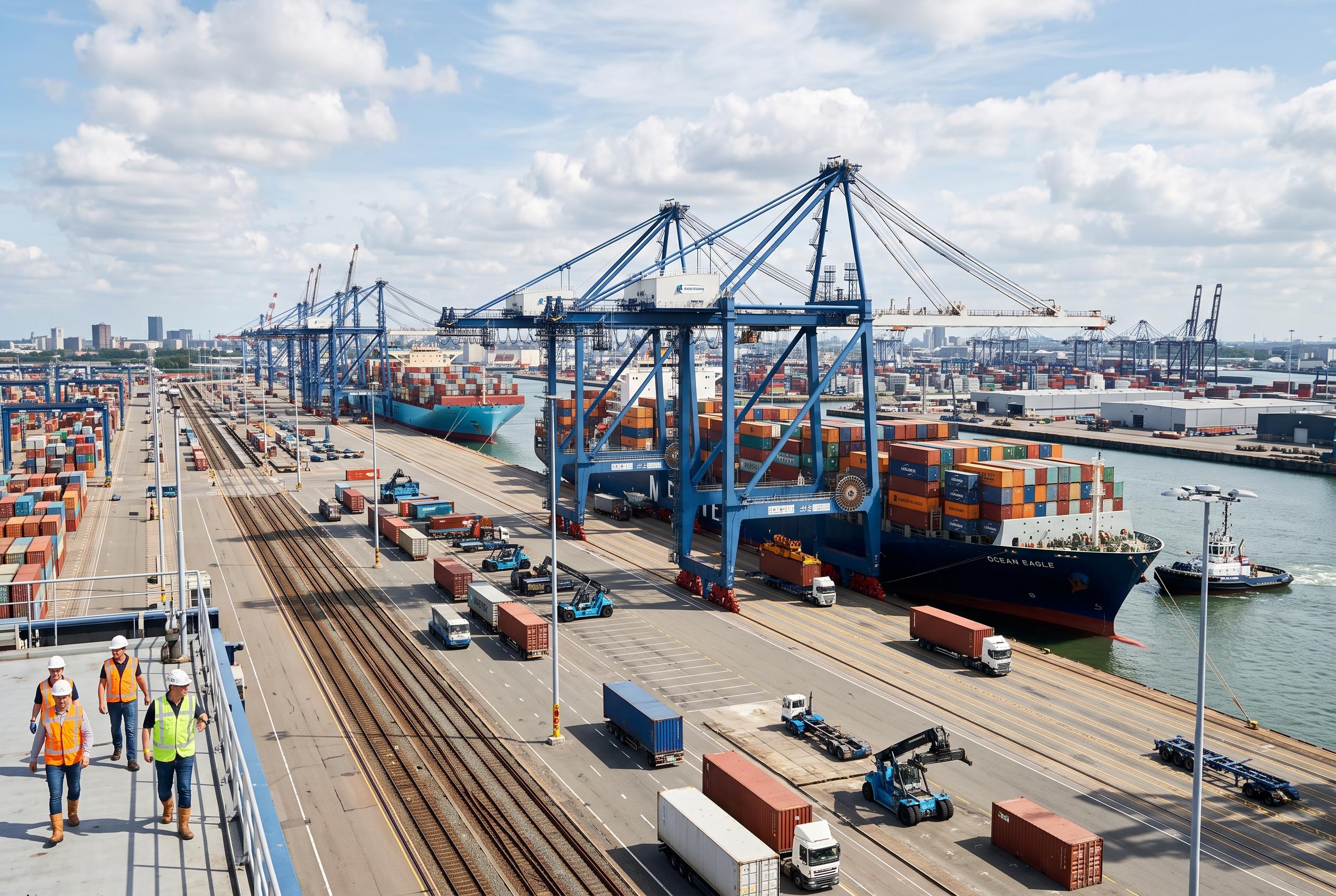

Disruptions in the Strait of Hormuz due to ongoing conflict are causing a dramatic rise in sea and air freight rates, threatening global supply chains and increasing costs for exporters and manufacturers across South Korea and beyond.
Middle East shipping disruption is pushing up transport costs on two fronts at once, with sea freight becoming more expensive as traffic through the Strait of Hormuz collapses and air cargo facing higher fuel surcharges as oil prices rise. The result is a broader squeeze on exporters that rely on tight delivery schedules, especially in electronics, semiconductors and vehicle parts.
According to the Wall Street Journal and other foreign media cited by eToday, only 14 ships a day recently passed through the strait, down from more than 130 a day before the conflict. The decline, close to 90%, has left the route far below normal levels even as Donald Trump claims the United States has “completely” control of the waterway. Separate analysis from Standard & Poor’s Global Market Intelligence said vessel transits through the strait have fallen by 97% over the past 25 days, underlining how deeply the chokepoint has been disrupted.
The strain is showing up in freight benchmarks. eToday reported that the Shanghai Containerised Freight Index rose to 3,276.14 on June 10, up 2.2% from the previous week, while the Busan Container Freight Index gained 3.6% to 4,288. Middle East routes have risen more sharply, with rates for a 40-foot container at $7,943, extending a 12-week climb and setting a new high for an eighth consecutive week. The Canadian Foundation for Economic Education has said traffic through the strait has fallen to about 30% of pre-conflict levels, while shipping and supply-chain analysts warn that rerouting around Africa can add 10 to 14 days and about $1 million in fuel costs per vessel.
Air freight is being pulled into the same cycle. Korean Air will apply higher international cargo fuel surcharges from August 16 to September 15, with long-haul shipments from South Korea set at 1,320 won per kilogram, medium-haul at 1,230 won and short-haul at 1,170 won. Those rates are more than 25% higher than the previous period, reflecting the rise in oil prices and the knock-on effect on aviation costs. S&P Global has also reported that war-risk marine insurance premiums in the region have surged to as much as 7.5% to 10% of hull value, adding yet another layer of expense for carriers willing to sail through the area.
The wider concern is that firms will be forced to shift more cargo from sea to air if delays persist, particularly for goods that cannot miss delivery windows. Supply-chain specialists quoted by eToday said that would increase demand for air freight and lift rates further, deepening pressure on South Korean exporters. The Overseas Economic Research Institute warned that the problem is no longer limited to transport charges, but could spread through manufacturing supply chains as longer parts lead times raise the risk of production stoppages, larger inventories and heavier working-capital needs. Haung Kwang-taek, a senior researcher at the institute, said the war-driven logistics disruption could weaken parts procurement flexibility and intensify cost management pressures across Korean manufacturing.
Disclaimer: This content is intended for informational purposes only. Readers are advised to exercise their own judgement, conduct due diligence, or consult a qualified expert before acting on any information provided.