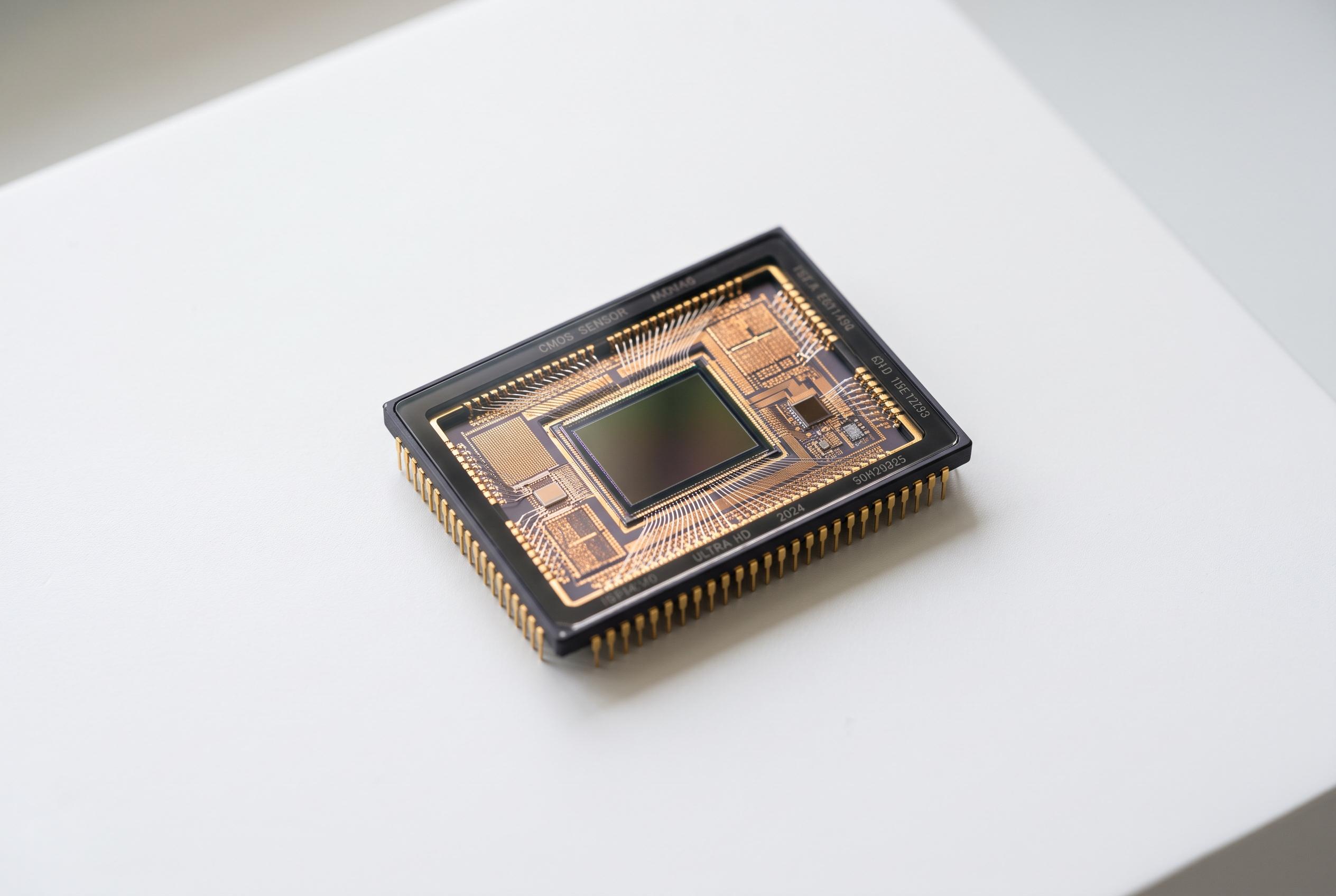

Sony and TSMC are set to establish a new advanced vision semiconductor manufacturing company in Japan, aiming to dominate next-generation CMOS image sensors amid soaring demand for AI-enabled imaging in smartphones, cars, and robotics, supported by Japanese government backing.
Sony and Taiwan Semiconductor Manufacturing Company have moved from talks to a binding deal that could reshape part of the global image sensor supply chain. The companies agreed on 11 August 2026 to create Advanced Vision Semiconductor Manufacturing in Koshi City, Kumamoto Prefecture, building on a May memorandum of understanding that initially described a planned strategic partnership, with Sony holding the majority stake in the venture. The new company will focus on next-generation CMOS image sensors, the components that act as the digital eye of smartphones and, increasingly, vehicles and robotics.
The scale of the project is substantial. The agreement puts total capital at about ¥747 billion, or roughly $4.69 billion, with Sony contributing ¥465 billion through cash and the transfer of its newly built Koshi facility, and TSMC providing ¥282 billion in cash, according to the company materials. Commercial production is expected to begin in 2029. Sony has already said the plant is designed for development and production lines for advanced image sensors, while also leaving room for wider physical AI applications.
Japan’s government is helping to underwrite the build-out. The Ministry of Economy, Trade and Industry has said it will provide up to ¥60 billion in aid for Sony’s separate sensor plant in Kumamoto, part of a broader industrial policy aimed at securing domestic semiconductor supply. Reuters and Japanese media have reported that this support forms part of a wider push to concentrate more chip capacity in the region, where TSMC already operates a fabrication site. The policy backdrop matters because it reduces the capital burden on the companies while strengthening Japan’s position in a strategically sensitive industry.
For Sony, the venture is as much about control as expansion. The company dominates the mobile image sensor market and needs assured access to leading-edge manufacturing as camera systems become more complex, with stacked sensors and on-device AI raising the technical demands on production. For TSMC, the deal extends a broader diversification strategy away from concentration in Taiwan, adding another major anchor in Japan alongside projects in the United States and Europe. In that sense, the partnership is not only about cameras. It is a practical response to supply-chain risk, industrial policy and the need to keep pace with a market that is shifting towards higher-performance sensing in phones, cars and robotics.
Disclaimer: This content is intended for informational purposes only. Readers are advised to exercise their own judgement, conduct due diligence, or consult a qualified expert before acting on any information provided.