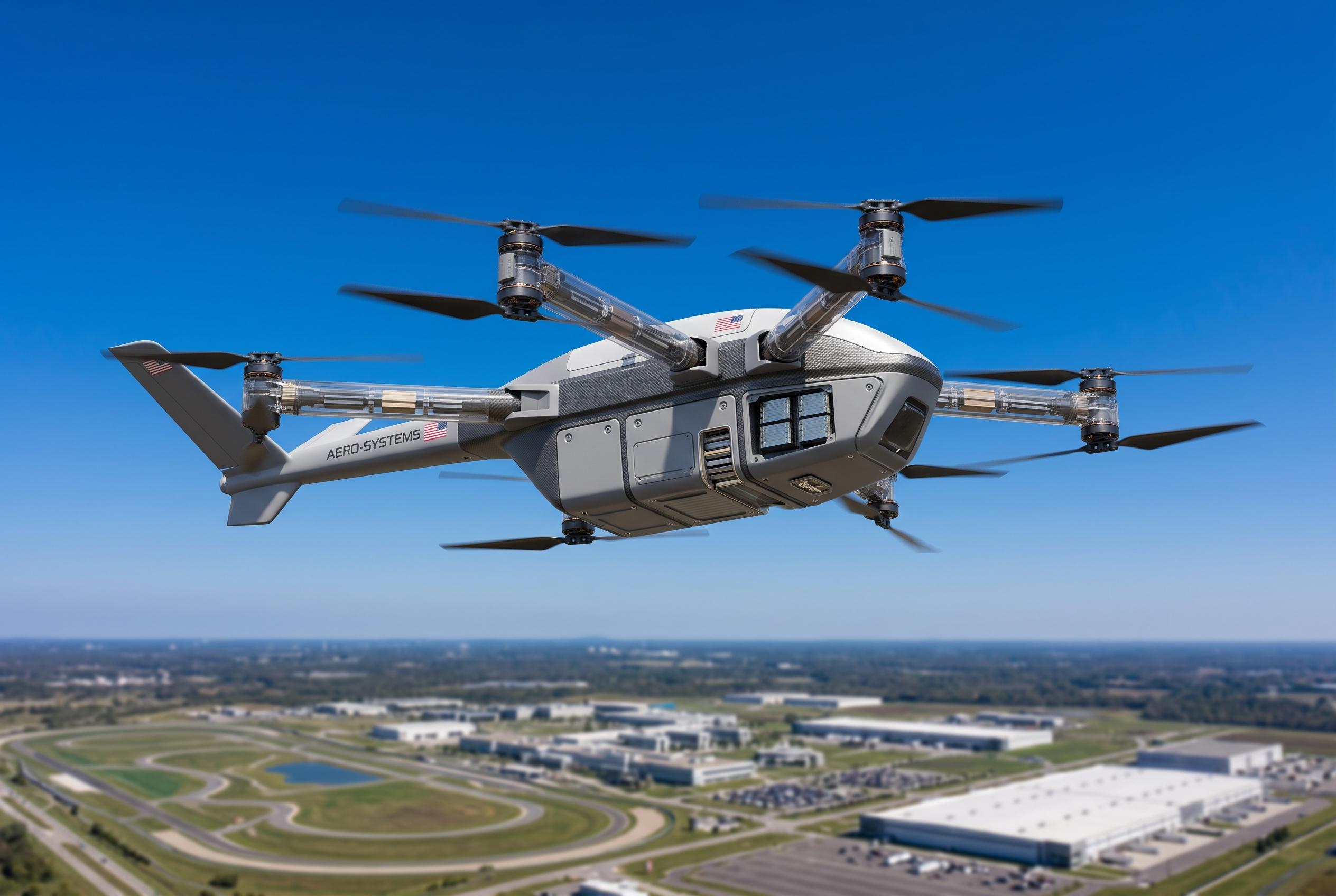

President Trump’s latest tariffs have spurred a rally in US drone stocks, yet the industry remains heavily reliant on Chinese-made critical components such as magnets and batteries, exposing ongoing supply chain vulnerabilities amid national security concerns.
President Trump’s latest tariff move has lit a rally in US drone stocks, but it has not altered the industry’s basic dependence on China for the parts that matter most. The TechTimes report said shares in Unusual Machines jumped sharply after the White House announced duties of up to 100% on imported drones and selected components. Yet the same reporting notes that the permanent magnets used in drone motors and the lithium-ion cells that power them are still overwhelmingly made in China, leaving the domestic supply chain short of the materials needed for true independence.
The policy sits within a longer national-security campaign. A White House fact sheet on Section 232 actions says the administration has treated reliance on imported processed critical minerals, including neodymium-iron-boron magnets, as a security concern. The Commerce Department made a similar point years earlier when it opened a Section 232 investigation into the effect of imported rare-earth magnets, citing their importance to defence and infrastructure. That background helps explain why tariffs on finished drones can move markets quickly without solving the underlying production bottleneck.
For investors, the immediate winners appear to be domestic component makers rather than the broad drone market. Unusual Machines has positioned itself around NDAA-compliant parts and US-based manufacturing, according to market commentary from Merlin Trader and Kavout, and that profile makes it a direct beneficiary when Chinese imports become more expensive. But the company’s outlook still depends on whether the wider industry can secure motors, batteries and magnets at scale inside the United States, a process that remains at an early stage.
That supply problem is structural rather than temporary. A presidential determination published by the University of California, Santa Barbara’s presidency archive says domestic neodymium iron boron magnet production is essential to national defence and authorises actions to support it. Even so, the current market remains heavily reliant on Chinese output, which means the tariff may accelerate reshoring plans without removing the need for imports in the near term.
In practical terms, the new duties are likely to reward firms with domestic assembly and expose how little of the drone value chain has actually moved onshore. That is why the stock surge may prove easier to sustain in trading than in manufacturing. The policy creates stronger demand for US-made drones and components, but the materials science and industrial capacity required to meet that demand are still catching up.
Disclaimer: This content is intended for informational purposes only. Readers are advised to exercise their own judgement, conduct due diligence, or consult a qualified expert before acting on any information provided.