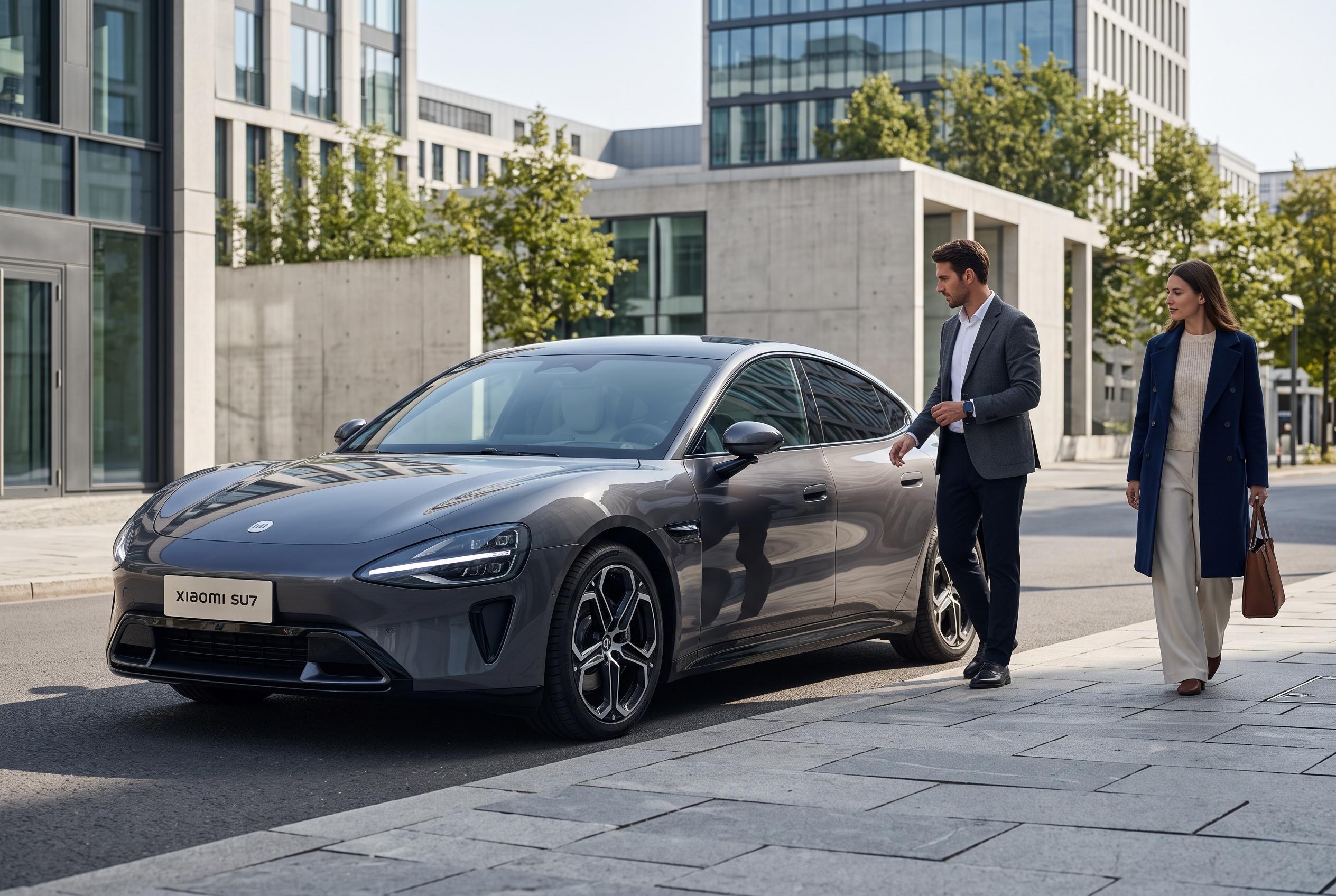

As Xiaomi faces a significant downturn in smartphone sales amid a more competitive market, it is ramping up its electric vehicle efforts with new SUV models and ambitious production targets, signalling a strategic shift in 2026.
Xiaomi is heading into a pivotal period in 2026, trying to steady its handset business while pushing harder into electric vehicles. The company has a crowded launch calendar, but it is doing so against a weaker share price and a smartphone market that has become more hostile to brands built on low-cost volume.
The immediate test is in handsets. Xiaomi this week is due to introduce its Redmi K100 series in China, led by the Redmi K100 Pro Max, while a new budget model, the Redmi 17, has already appeared with European retailers at about €219. The timing matters because the wider market has turned sharply less forgiving. Omdia said global smartphone shipments fell 6 per cent in the second quarter of 2026, while Xiaomi’s own deliveries dropped 26 per cent year on year to 31.2 million units. Samsung and Apple moved the other way, deepening the pressure on Xiaomi’s position in the premium and mass-market tiers.
The weaker shipment picture has fed directly into investor caution. Xiaomi shares are roughly 30 per cent lower this year and more than half below their 52-week high of €6.54 reached in September 2025. The stock has recovered only intermittently, helped in part by announcements around new vehicles, but the broader trend still reflects concern that product launches alone may not be enough to offset losses in the core smartphone franchise.
That vehicle strategy is becoming more ambitious. Lei Jun unveiled two additional SUV models, the seven-seat SkyNomad N90 Max and the five-seat SkyNomad N70 Max, creating a separate line from the existing YU7 range. Xiaomi has also been building momentum in electric vehicles: the company delivered more than 30,000 vehicles in July for the fourth straight month, according to company data cited in the reports. Even so, the cumulative total for the first seven months of the year was about 220,000 vehicles, which leaves the company well short of its 550,000-unit target for 2026.
The gap between aspiration and execution will be clearer when Xiaomi reports second-quarter results on August 18. Analysts are watching revenue, EV margins and progress on HyperOS 4, the company’s next operating system. In the first quarter, revenue fell 10.9 per cent to 99.142 billion yuan, adjusted net profit dropped 43.1 per cent and smartphone revenue declined 12.5 per cent, even as the company’s internet-of-things ecosystem expanded to 1.119 billion connected devices. Xiaomi has also been leaning on buybacks and semiconductor investments, including its stake in CXMT, while Lei has pledged to build out a more integrated stack of chips, software and AI systems to reduce reliance on outside suppliers.
Disclaimer: This content is intended for informational purposes only. Readers are advised to exercise their own judgement, conduct due diligence, or consult a qualified expert before acting on any information provided.