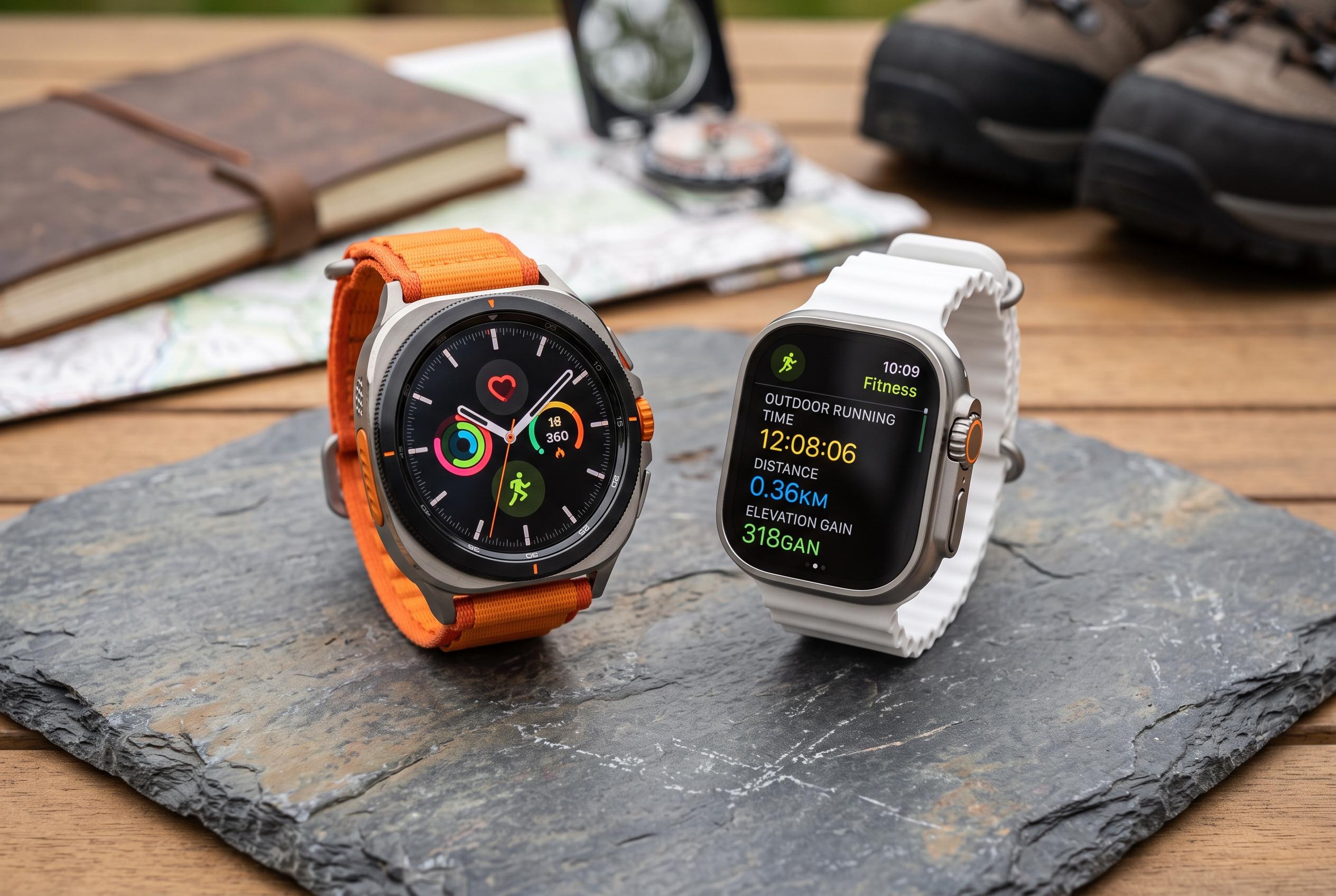

As the latest rugged smartwatches from Samsung and Apple hit the market, consumers now choose based on ecosystem immersion, health tools, and emergency features rather than hardware alone, reshaping the premium smartwatch landscape.
For buyers choosing between Samsung’s latest Galaxy Watch Ultra and Apple’s Watch Ultra line, the decision now hinges less on hardware basics and more on ecosystem, health tools and emergency features. In a recent hands-on comparison for ZDNET, Matthew Miller said he wore both watches for three weeks while trail running, cycling, hiking and rowing, and found that the two devices share a rugged, outdoor-focused design, cellular support and loud sirens for emergency use. Samsung’s Galaxy Watch Ultra 2 starts at $699.99, while Apple’s Watch Ultra 3 costs $799, with both offering 64GB of storage and premium titanium finishes.
Samsung’s case is strongest on health and AI features. The company says the Galaxy Watch Ultra 2 includes Google Gemini access, daily energy and sleep scores, nightly health metrics, cardio load tracking and a running coach. Samsung also recently expanded blood pressure monitoring to U.S. users on Galaxy Watch4 and newer models through the Samsung Health Monitor app, with calibration against a standard cuff required every 28 days. Samsung says the rollout began on March 31 and that passive trend monitoring will be added later this year.
Miller argued that these tools give Samsung an edge for users who want more coaching on the wrist. He also preferred the larger Galaxy Watch design, and said the watch fit better into his routine because he uses Google services heavily. Samsung’s official product information also highlights hands-free Gemini support, which can be triggered by raising the wrist during activity.
Apple, however, has the clearer advantage for off-grid use and sleep tracking. Apple’s Watch Ultra 3 adds 5G support and integrated satellite connectivity, which can send SOS messages and also let wearers share their location with family or friends. Miller said the feature mattered because he often spends time outdoors without a phone. He also found Apple’s sleep tracking to be more consistent than Samsung’s, and said the rotating digital crown and tighter gesture support made the Apple Watch easier to navigate.
For most people, the better watch still depends on the phone in their pocket. Samsung is the stronger choice for Android users who want a more capable wellness platform and Google Gemini on the wrist. Apple remains the better option for iPhone owners who need satellite messaging, more polished controls and more reliable sleep data. Both are expensive, both are highly capable and both are built for users who expect more than a basic smartwatch.
Disclaimer: This content is intended for informational purposes only. Readers are advised to exercise their own judgement, conduct due diligence, or consult a qualified expert before acting on any information provided.