
Google has announced the Pixel 11 series, emphasising camera enhancements, new AI features, and a novel LED notification ring, signalling a strategic refinement rather than a revolution for its flagship line.
Google has used its latest Pixel launch to sharpen the formula rather than overhaul it, with the Pixel 11 series centred on camera upgrades, new AI tools and a more restrained design language. In a first look at the Made by Google event, PCMag said the four-phone range comprises the Pixel 11, Pixel 11 Pro, Pixel 11 Pro XL and Pixel 11 Pro Fold, with the standard model starting at $899 and the foldable topping out at $1,899. Digital Camera World said the new line is available to preorder immediately, with shipping scheduled for 20 August 2026.
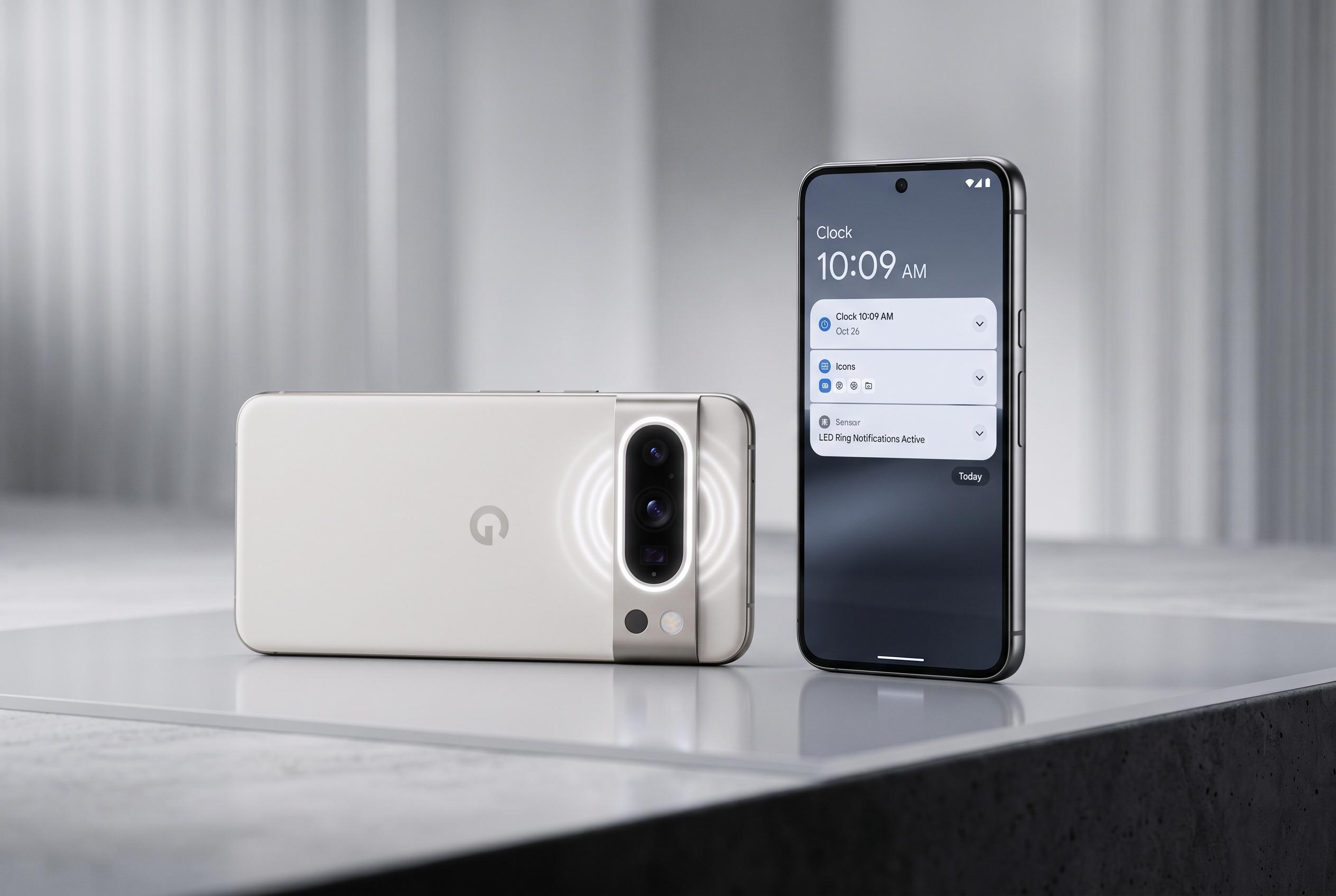
The most visible hardware change is on the back of the base Pixel 11, where Google has narrowed the camera bar and fitted a new 48MP main sensor. PCMag reported that Google claims light sensitivity has risen by 58%, while the telephoto lens now supports up to 30x Super Zoom. Digital Camera World said the same sensor upgrade is designed to improve low-light performance and that the Pixel 11 Pro models move to a 50MP main camera and 48MP telephoto unit with up to 120x Pro Zoom.
Google is also leaning hard into software. PCMag said the Tensor G6 chip powers Magic Capture, a feature that can pull the best still frames from video and apply HDR+ processing, while Camera Looks lets users build more consistent image styles. Android Central described the Tensor G6 as the engine behind broader AI features across the range, including faster on-device processing, a brighter display panel and improved battery efficiency.
The most unusual addition may be HiLight, a ring of coloured LEDs around the rear camera bar on the Pro models. According to PCMag and T3, it is meant to show who is calling when the phone is face down and can also flash Gemini-themed colours when Google’s chatbot is in use. T3 said Google may expand the system to messages and other apps later, although no formal plans have been confirmed. That makes HiLight less a headline-grabbing gimmick than an attempt to give Pixel phones a more immediate, glanceable interface, even if it owes a clear debt to earlier light-based notification systems from rivals.
Disclaimer: This content is intended for informational purposes only. Readers are advised to exercise their own judgement, conduct due diligence, or consult a qualified expert before acting on any information provided.