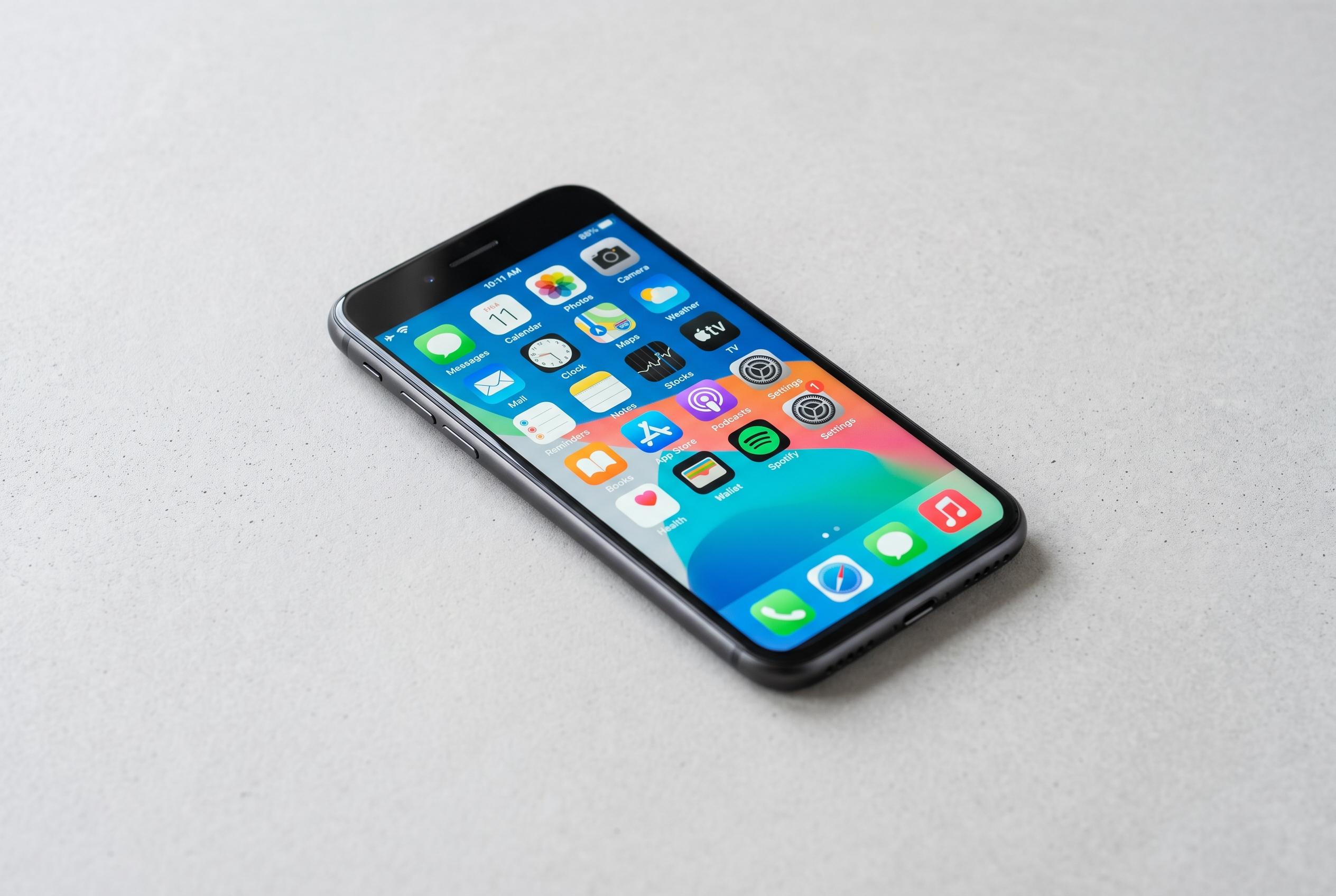

Omdia reports a 20% yearly surge in display shipments for refurbished phones in early 2026, signalling a significant shift towards prolonging device lifespans amid global supply chain pressures and changing consumer habits.
In the first three months of 2026, display makers shipped 298 million panels into the refurbished phone market, overtaking the 289 million sent to makers of new handsets, according to Omdia. The research firm said the refurbished figure rose 20% year on year, marking a clear shift in demand towards keeping older devices in service rather than replacing them.
That refurbished category is broader than simple resale. Omdia counts screens used in consumer repairs, professionally refurbished recycled phones and aftermarket replacement parts. In practice, that means the market covers broken handsets as well as devices prepared for a second owner. It is increasingly the business of extending a phone’s life.
The mix of display technology also points to ageing premium phones entering their second act. OLED accounted for 7% of refurbished shipments in the quarter, up from 2% a year earlier, with the remainder still dominated by LCD. According to Omdia, that shift reflects the growing pool of higher-end models now moving through repair and refurbishment channels.
The change is tied to pressure on the supply chain. Higher memory prices pushed up component costs, forcing phone makers to trim production plans and leaving panel factories with weaker-than-expected orders. Omdia expects display demand from new smartphones to fall 12% across 2026, while Joy Guo, a senior principal analyst in the firm’s displays practice, described refurbishment as a reservoir that absorbs swings in handset demand.
The weakness in new-phone demand was already visible in the second quarter, when global smartphone shipments fell 6% to 272 million units from 288.9 million a year earlier. Xiaomi dropped 26% to 31.2 million units, OPPO fell 17% to 28.4 million and Vivo declined 18%. Samsung was one of the few gainers, shipping 60.5 million units, up 5%, helped by its control over memory supply. Apple also posted a strong quarter, shipping 55.1 million iPhones, up 23%, although Omdia said some of that reflected channel stocking ahead of expected price rises.
Omdia argues the effect goes beyond a temporary squeeze. The firm said consumers have become accustomed to higher handset prices, giving manufacturers room to hold prices at a higher level even if memory costs ease. Le Xuan Chiew, a research manager at Omdia, said price is once again becoming a competitive differentiator. The firm also expects handset makers to lean more heavily on financing, trade-ins, bundles and services, which in turn feeds the refurbished market by supplying devices for repair and resale.
Disclaimer: This content is intended for informational purposes only. Readers are advised to exercise their own judgement, conduct due diligence, or consult a qualified expert before acting on any information provided.