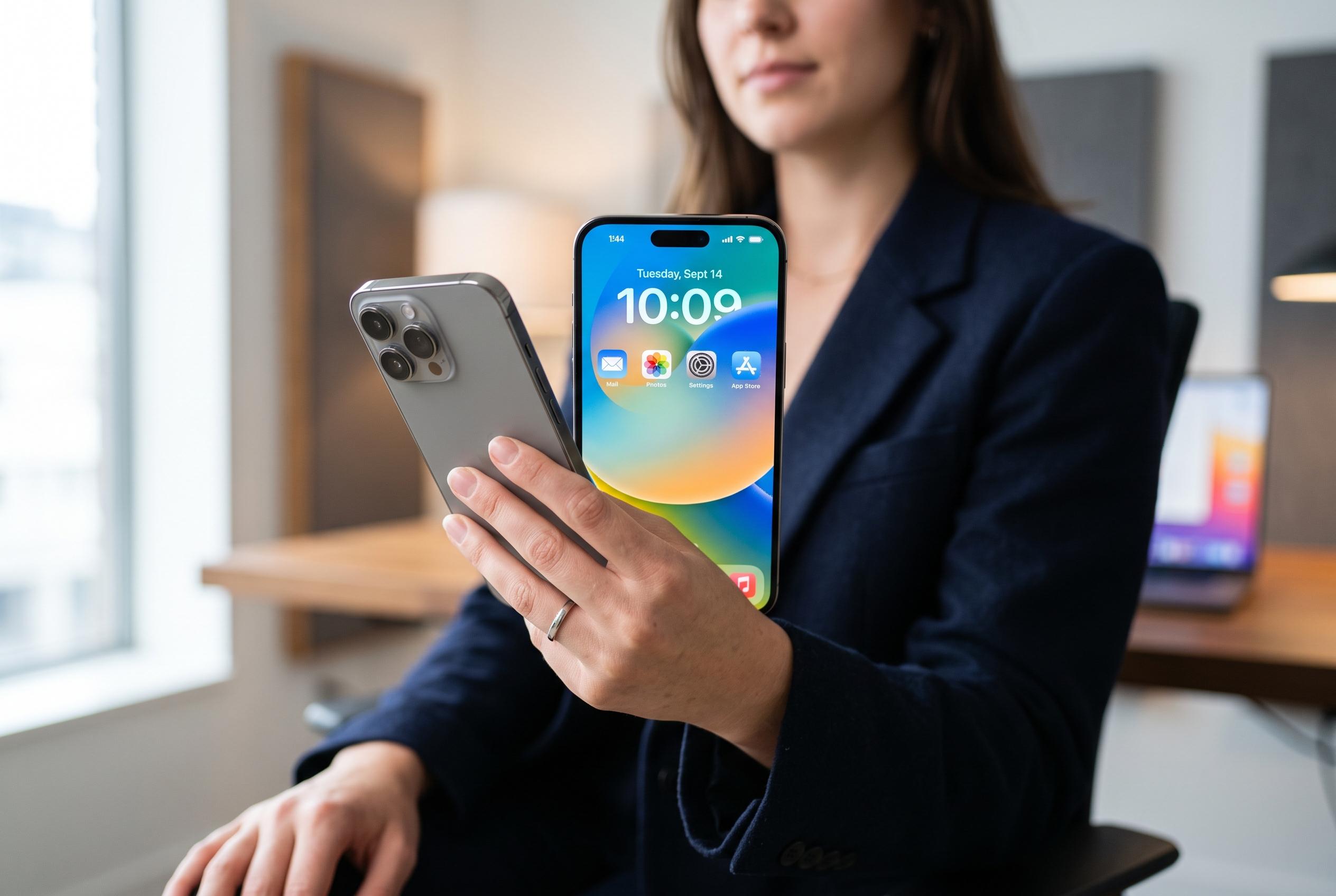

Apple prepares for the iPhone 18 Pro cycle with significant OLED display price reductions, countering rising component costs and signalling a potential increase in retail prices, as supply-chain strategic shifts unfold in the premium smartphone market.
Apple is preparing for the iPhone 18 Pro cycle with an unusual mix of cost pressure and supply-chain relief. According to reports from South Korea’s DealSite and other industry publications, the company has secured sharp cuts from its OLED panel suppliers, a move that could help offset rising memory and processor costs even as analysts expect the next Pro models to become more expensive overall.
DealSite said Apple has negotiated a lower price for iPhone 18 Pro Max displays, with LG Display and Samsung Display expected to charge about $68 per panel, down from roughly $110 to $120 for the iPhone 17 Pro Max generation. Other reports put the figure even lower, at around $66.50 a unit, with Apple pressing suppliers for further reductions as component inflation spreads across the smartphone industry. Counterpoint Research has warned that the broader bill of materials for the iPhone 18 Pro Max could climb by about $300 in a 12GB RAM and 1TB storage configuration, driven largely by a global memory squeeze linked to demand from artificial intelligence systems.
That cost pressure is why the display savings matter. Counterpoint estimates retail pricing for the iPhone 18 Pro Max could rise by $250 to $350, potentially lifting the top model to between $1,849 and $1,949 if Apple passes through most of the added expense. Separately, analysts cited by other outlets have suggested starting prices of $1,299 for the iPhone 18 Pro and $1,399 for the Pro Max, implying a rise of about $200 from the previous generation. Apple may still choose to absorb some of the increase, but the final decision is likely to hinge on whether it prioritises margins or a softer upgrade path for buyers.
The cheaper display deal does not appear to mean a downgrade in quality. Reports say the iPhone 18 Pro models are expected to use LTPO Plus OLED panels, an evolution of the variable-refresh-rate technology already found in current Pro devices. That should preserve smooth scrolling while improving power efficiency. Apple is also said to be increasing its normal OLED inventory ahead of launch, building stock from about four weeks to six weeks. Combined with larger batteries, that could mean longer runtime, with leaks pointing to battery gains of about 9% on the eSIM version of the Pro Max and 12% on some international models.
Apple’s display strategy also reflects a broader supply-chain shift. Reports from The Elec and ETNews suggest Samsung Display and LG Display are likely to dominate premium panel supply, while China’s BOE has been edged out of the highest-end tier because of quality and yield concerns. Market research cited by MacRumors indicates Samsung Display may supply 46 million OLED panels across the iPhone 18 range, with LG Display contributing 41 million. Apple is expected to unveil the iPhone 18 Pro models in September, alongside further changes to its product line-up later on.
Disclaimer: This content is intended for informational purposes only. Readers are advised to exercise their own judgement, conduct due diligence, or consult a qualified expert before acting on any information provided.