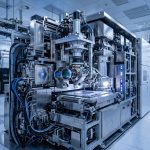
Samsung Electronics has completed a new HVAC manufacturing facility in Pune, boosting its presence in the rapidly growing AI data centre cooling market in India and Asia-Pacific, following its recent acquisition of FläktGroup.
Samsung Electronics has completed a new heating, ventilation and air conditioning manufacturing site in Pune, strengthening its push into cooling systems for artificial intelligence data centres and other critical infrastructure in India and the wider Asia-Pacific region. The plant is run by FläktGroup, the HVAC specialist Samsung acquired last year, and is the first new FläktGroup factory to begin operations since that deal closed. According to Samsung, the site is intended to widen the company’s industrial footprint beyond consumer electronics and into a market where demand for precision cooling is rising quickly.
FläktGroup said the Pune facility will progressively scale output to as many as 6,500 units a year. The plant covers 13,826 square metres and is designed to produce air handling units, fan wall units and computer room air handlers, the equipment used to control temperature and airflow in data centres and other high-load environments. FläktGroup had previously said the site was part of Project GAGAN and would support rapid deliveries to hyperscalers and industrial customers across India and the Asia-Pacific region.
Samsung said the facility’s location near Mumbai and major logistics corridors should improve supply times for customers in India and nearby markets. The company is also positioning the plant as part of a broader effort to combine its software and platform capabilities with FläktGroup’s HVAC engineering. Cheolgi Kim, Samsung’s executive vice president and head of the digital appliance business, said the Pune production line marked an important step in expanding HVAC supply beyond India.
The move follows Samsung’s completion of its acquisition of FläktGroup in November 2025. Samsung has said the European company will continue to operate its subsidiaries as independent entities, preserving their technical expertise and brand identity. Industry observers have viewed the acquisition as a bid to gain a stronger foothold in data centre cooling, a field where efficient thermal management has become a core requirement as AI infrastructure expands.
Disclaimer: This content is intended for informational purposes only. Readers are advised to exercise their own judgement, conduct due diligence, or consult a qualified expert before acting on any information provided.