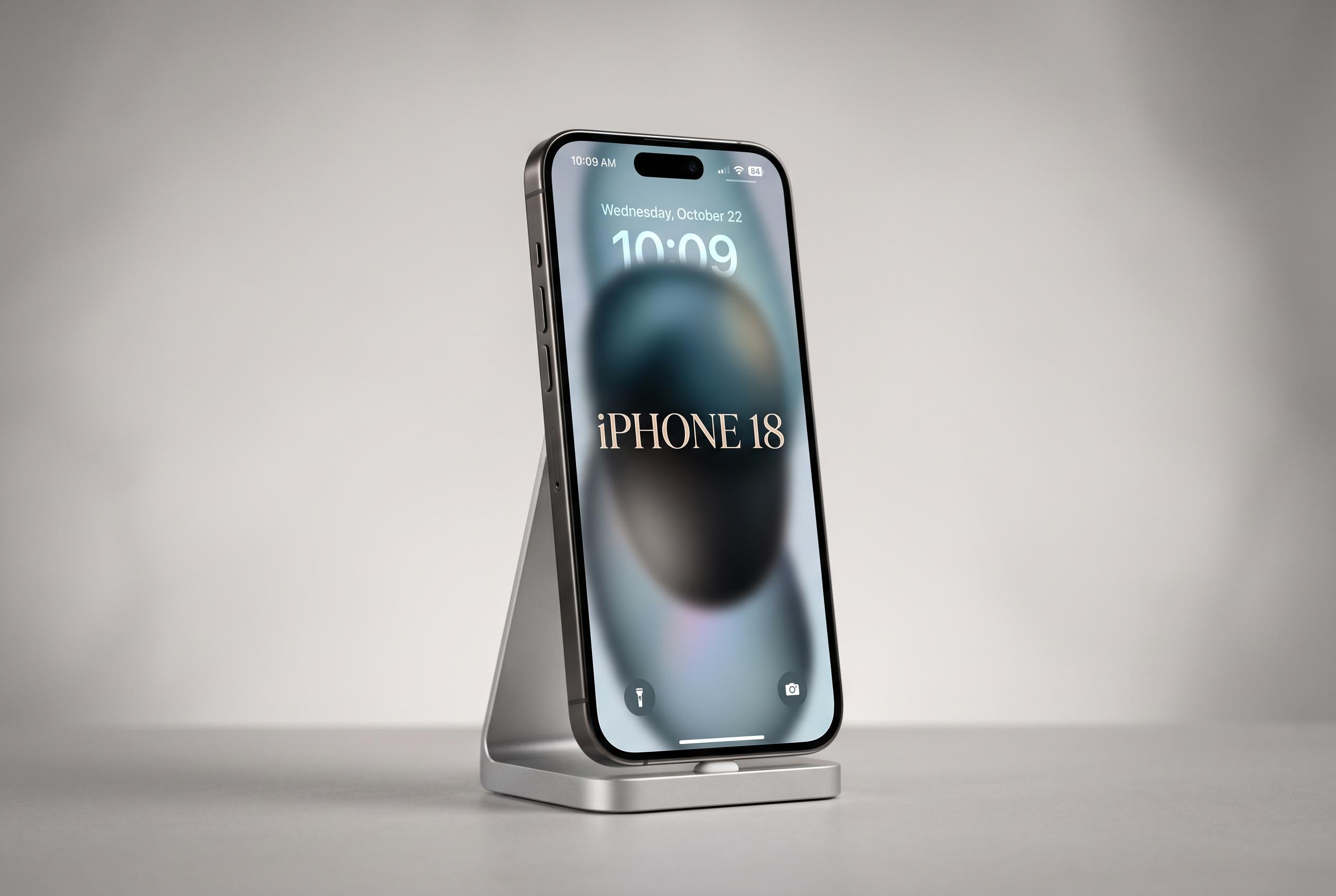

Apple is reportedly shifting its iPhone release strategy, delaying the standard iPhone 18 until 2027 amid supply chain issues and marketing decisions, marking a significant change in its product rollout tradition.
Apple is moving closer to a break with its long-standing iPhone launch pattern, with several supply chain reports pointing to a delayed debut for the standard iPhone 18. According to reports from MacRumors, PhoneArena and ETNews, Apple is preparing to separate its premium and mainstream releases, leaving the higher-end iPhone 18 Pro models and a much-rumoured foldable device for the autumn of 2026 while holding back the base iPhone 18 until the spring of 2027.
The latest signal came from Pegatron, an Apple supplier, which said during its second-quarter 2026 earnings call that the iPhone 18 Pro and iPhone 18 Pro Max should arrive next month, while the standard iPhone 18 is now expected in the first quarter of 2027. That aligns with earlier comments reported by MacRumors from Largan Precision chairman Lin En-ping, who said a major US customer had pushed a new model to the first quarter of 2027, and with earlier supply chain reports that the company had told partners the base model would not be part of the September 2026 line-up.
If accurate, the change would be one of the biggest revisions to Apple’s iPhone timetable in years. For more than a decade, Apple has typically unveiled its main iPhone range together in the autumn, but reports now suggest a split schedule in which premium devices lead the market first and lower-priced models follow months later. Sources cited by MacRumors and PhoneArena say the delayed launch would place the iPhone 18 alongside the iPhone 18e and iPhone Air 2 in early 2027, around six months after the Pro models and the foldable handset.
Analysts and supply chain reports have pointed to two main reasons for the shift: tighter availability of memory and chipset components, and a marketing decision to keep Apple’s premium models in the spotlight. Nikkei Asia, as cited by MacRumors, said rising RAM and NAND flash prices were part of the rationale, while other reports described semiconductor bottlenecks and higher smartphone costs as additional pressures. For consumers, the practical effect would be simple: autumn 2026 would bring only the most expensive iPhones, with the standard model pushed into 2027.
Disclaimer: This content is intended for informational purposes only. Readers are advised to exercise their own judgement, conduct due diligence, or consult a qualified expert before acting on any information provided.