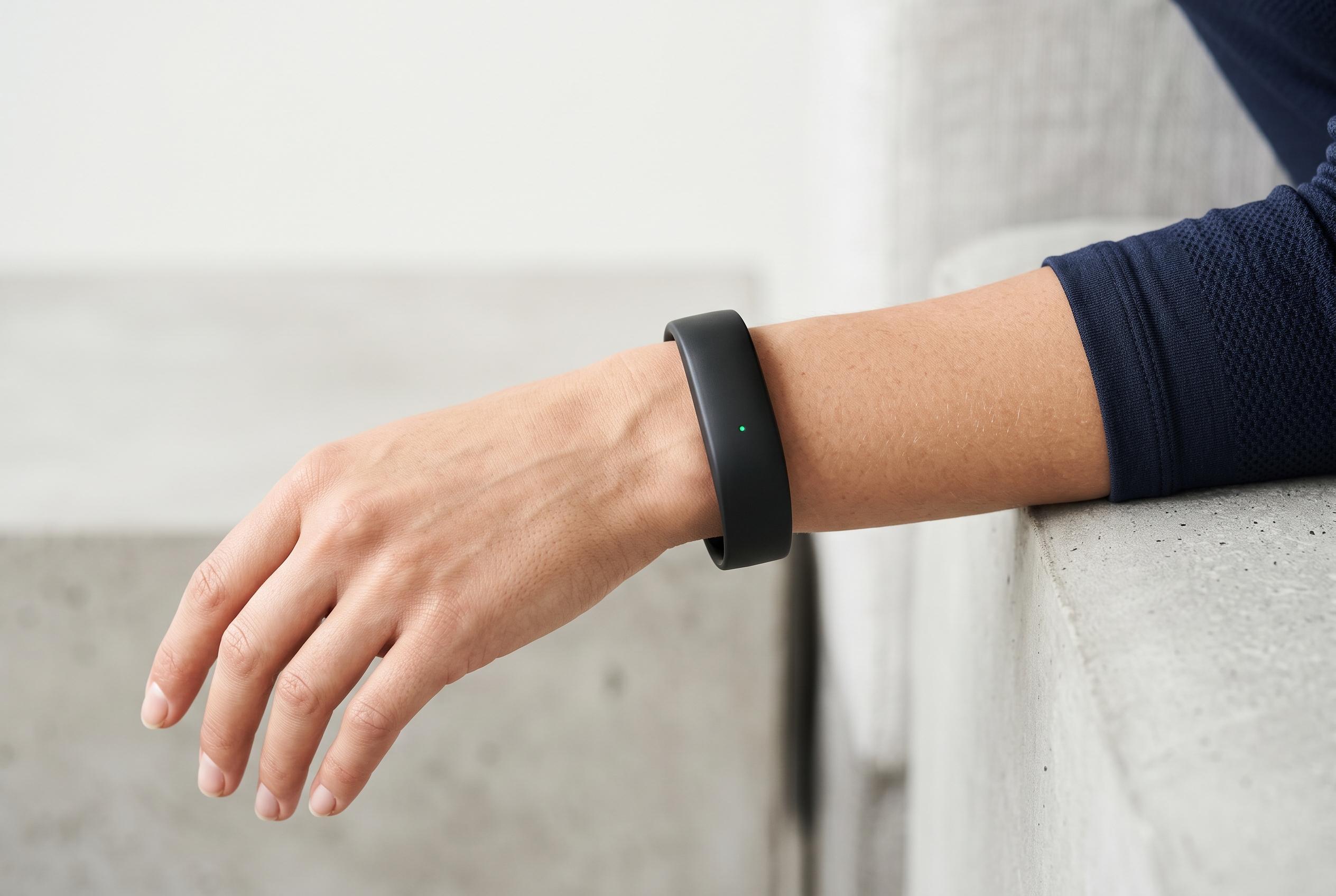

The global market for display-free fitness bands has expanded by 122% in just a year, signalling a shift towards health-focused, distraction-free wearables driving mainstream adoption and drawing in new tech giants.
Display-free fitness bands are moving from niche to mainstream, at least in the latest market data from Smart Analytics Global. The research firm says the global non-display band segment expanded by 122% year on year in the second quarter of 2026, a pace that suggests consumers are once again embracing simpler wearables after years of smartwatch dominance.
According to Smart Analytics Global, WHOOP leads the category with 54% market share, followed by Amazfit on 21%, Polar on 14% and Fitbit on 9%. A separate forecast from the same firm points to a 5% decline in the wider wrist-wearable market in 2026, even as true smartwatches are expected to edge higher and non-display bands are projected to surge further, reflecting a shift in demand towards health-first devices rather than screen-heavy gadgets.
That change is being driven by practical considerations as much as fashion. Industry commentary cited by NWCast says battery life and reduced distraction are now the main selling points for many fitness users, while professional athletes are also adopting screenless trackers for training. The broader appeal is straightforward: these devices can sit quietly on the wrist, deliver continuous health data and avoid the constant interruptions that come with notifications on a full smartwatch display.
The category is also drawing in larger companies. Smart Analytics Global says the arrival of Google’s Fitbit Air, alongside expected entries from Garmin and Noise, could accelerate adoption further. Amazfit has already moved deeper into the segment with the Helio Strap Pro, a screenless wearable that adds extra sensing hardware to measure movement quality, efficiency and muscle load, showing that the market is evolving beyond basic step counting into more specialised performance tracking.
Disclaimer: This content is intended for informational purposes only. Readers are advised to exercise their own judgement, conduct due diligence, or consult a qualified expert before acting on any information provided.