
Nothing’s latest Phone (4b) challenges expectations in the mid-range market with striking aesthetics, a high-efficiency battery, and ambitious software features, despite some US network limitations.
Nothing’s new Phone (4b) is an attempt to bring the company’s distinctive hardware language into the budget tier without losing the brand’s identity. In reviews from AndroidGuys, Android Central, T3, PhoneArena, Creative Bloq and 91mobiles, the device is consistently presented as a low-cost handset with unusual styling, a Snapdragon 6 Gen 4 processor and a clear emphasis on battery life and software polish.
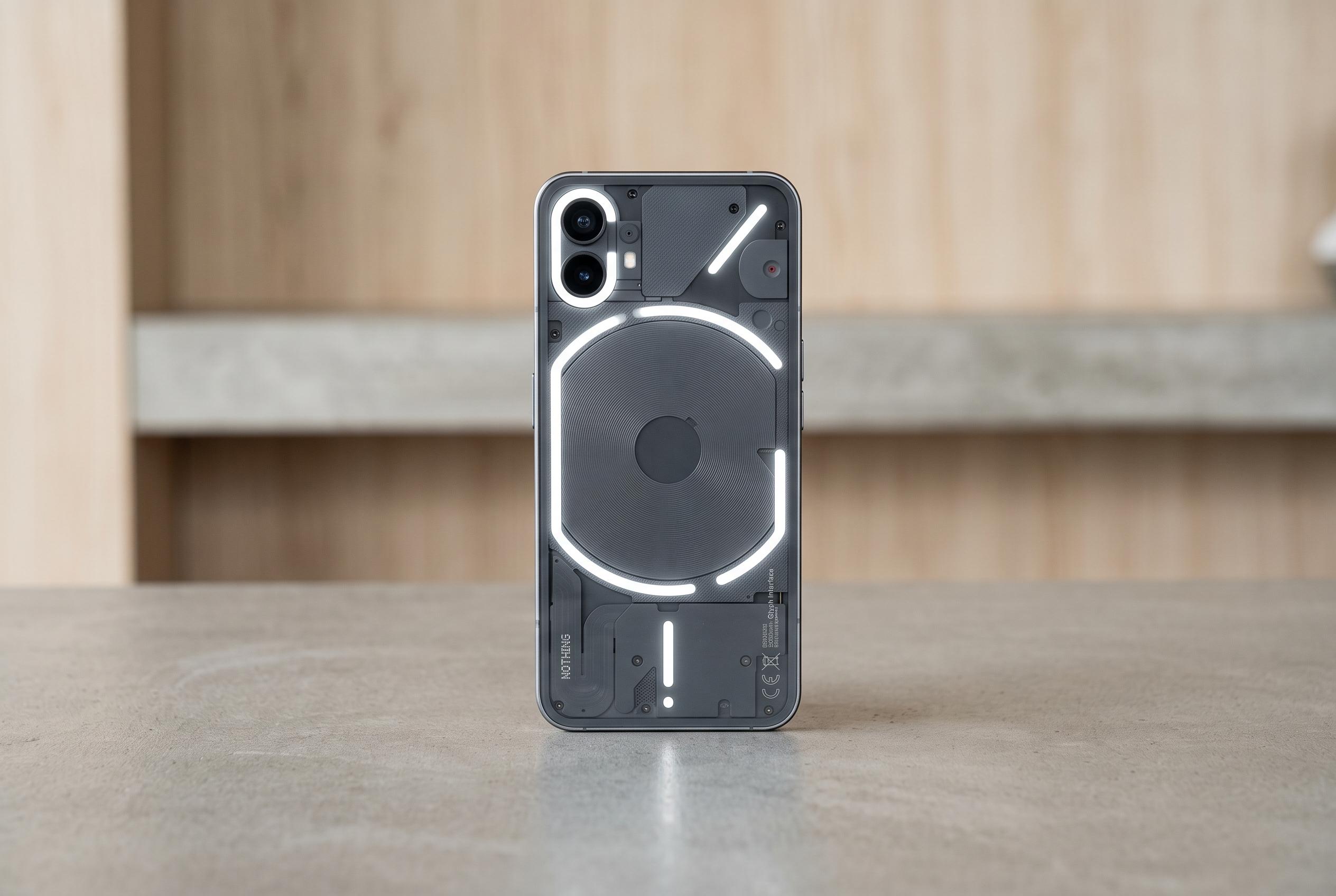
The design is the feature most likely to define the phone in buyers’ minds. Reviewers describe a transparent rear panel, exposed screws and a Glyph Bar notification light system that keeps Nothing’s industrial look intact while giving the handset a more playful edge than most affordable rivals. Creative Bloq said the matte-blue version was especially striking, while AndroidGuys noted that the black model is more prone to fingerprints. The phone is also larger than some earlier Nothing models, with squared-off sides that reinforce the boxy aesthetic.
Nothing’s software pitch is unusually ambitious for this price band. The phone ships with Nothing OS 4.1 on Android 16, and reviewers say users can choose between a conventional Android appearance and Nothing’s monochrome icon style during setup. That same setup process introduces the Essential Key, which opens Essential Space, an AI-powered organiser for screenshots, voice notes and summaries. AndroidGuys and Android Central both treated this as one of the device’s more practical additions, although the dedicated button could frustrate users who would prefer custom controls.
On hardware, the Phone (4b) is aimed at dependable everyday use rather than raw speed. The Snapdragon 6 Gen 4, paired with 8GB of RAM in the base model, is not positioned as a gaming chip, but reviewers found it adequate for routine app use and casual play. The 6.77-inch AMOLED display with a 120Hz refresh rate was repeatedly praised for brightness and smooth scrolling. T3 and PhoneArena also highlighted the 50MP main camera with optical image stabilisation, which should help the phone compete in the crowded mid-range. The camera system remains modest, though, with an 8MP ultrawide lens and no dedicated telephoto camera.
Battery life appears to be the clearest technical advantage. AndroidGuys recorded nearly 17 hours of video streaming over Wi-Fi from the 5,200mAh battery, while PhoneArena described it as the company’s longest-lasting battery so far. Charging is limited to 33W wired speeds, but that still gets the phone to roughly half charge in about 30 minutes. There is no wireless charging. In the US, however, network support remains a concern, and AndroidGuys said that weakness makes the device harder to recommend to American buyers even if its design and software stand out in a crowded field.
Disclaimer: This content is intended for informational purposes only. Readers are advised to exercise their own judgement, conduct due diligence, or consult a qualified expert before acting on any information provided.