
New research from UNC Charlotte reveals that burglars are deterred by visible security measures and quick monitoring responses, highlighting the importance of layered home security strategies over reliance on gadgets alone.
Researchers at the University of North Carolina at Charlotte have given home security one of its clearest reality checks: burglars are not guessing, they are screening. In interviews with 422 incarcerated burglars, 83% said they would look for an alarm before attempting a break-in, and 60% said they would choose another target if one was present. The study also found that visible cameras influence about 60% of target decisions, with 40% of burglars saying they would move on if they saw one.
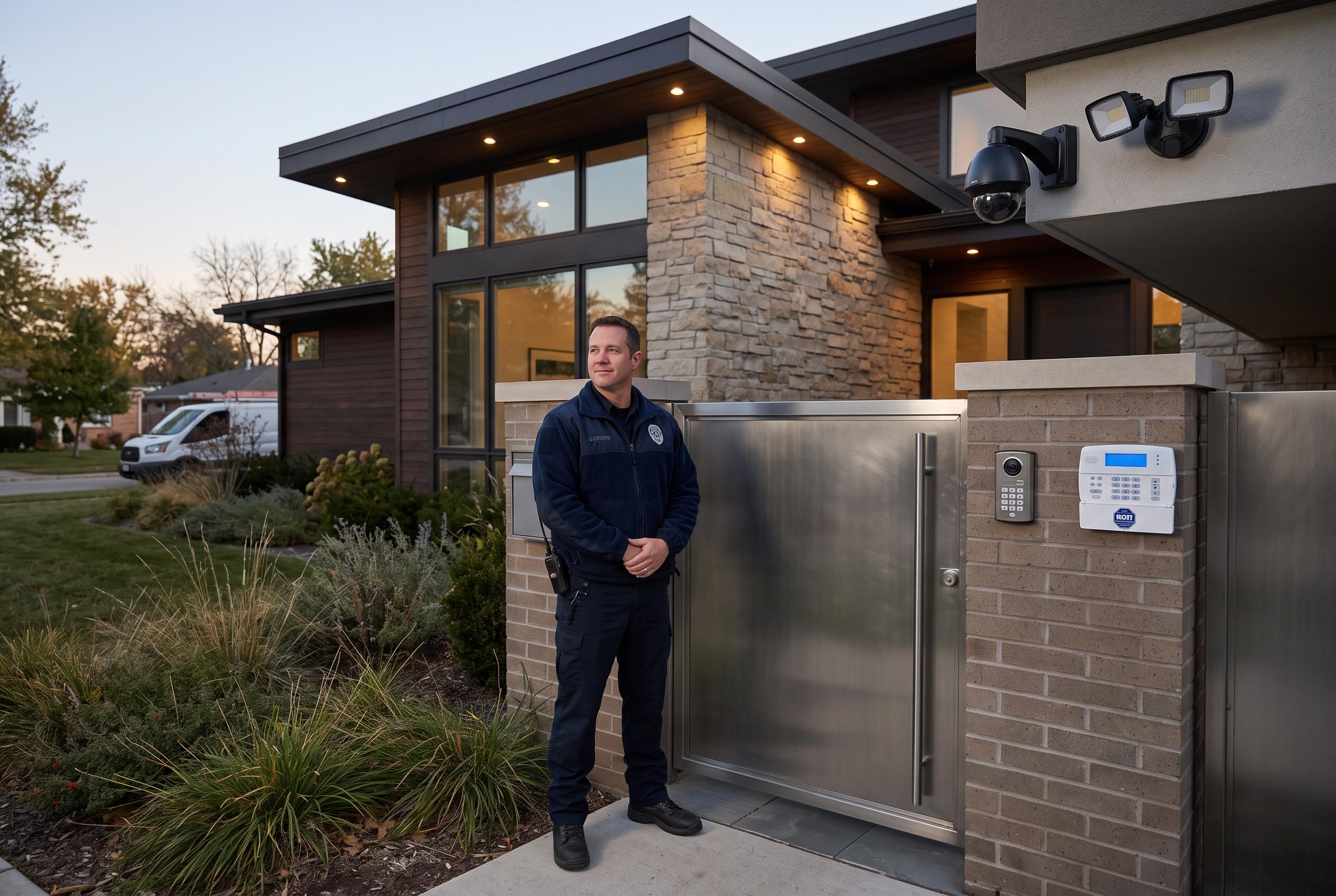
That helps explain why visibility matters more than decoration. A yard sign that matches a real monitoring service, a camera at the front door and motion-activated lighting all advertise delay, evidence and possible intervention. By contrast, generic warning signs and dummy cameras offer little against experienced offenders, who are looking for the easiest house, not the most heavily advertised one.
The same UNC Charlotte research also undercuts a common fear about lock picking. Most burglars reported using open or forced windows and doors rather than picking locks or using stolen keys, which accounted for only about 1 in 8 cases. That makes physical discipline more important than clever gadgets: locked doors, reinforced frames and closed windows remain the first basic defence.
A layered approach appears to work best. Reports cited by the lead article said homes with three or more visible security measures had 73% fewer break-in attempts than homes with only one. That logic is straightforward: one deterrent may be ignored, but several visible barriers tell a burglar the property is likely to cost time, create noise and increase the chance of arrest.
Response speed also matters. In the lead article’s testing of more than 60 systems and 150 simulated break-ins, ADT was the fastest overall at 28 seconds, while SimpliSafe’s Intruder Intervention was said to average 12 seconds. The broader comparison also placed Vivint at 33 seconds, Ring Alarm at 38 seconds, Cove at 41 seconds, Brinks Home Security at 43 seconds, Frontpoint at 44 seconds and Abode at 52 seconds.
Those timings matter because burglars typically have only a short working window. The lead article cites law-enforcement interviews suggesting many intruders need 8 to 12 minutes to complete a job. A monitoring service that triggers in seconds, rather than minutes, changes that calculation sharply and can turn a viable target into a risky one before the first room is searched.
The highest-risk houses are often the ones that look routine and unoccupied. The article says break-ins rise in June, July and August, when vacation patterns and open windows create easier opportunities. It also points to repeat victimisation, where one burglary can be followed by another within days, making summer preparation especially important. The practical response is not complicated: randomise lighting, hold the post, avoid obvious routines and make the property look occupied.
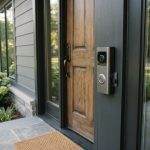
The clearest lesson is that burglars hate uncertainty. A monitored alarm with real branding, a visible camera, a doorbell camera and motion lighting make a house look slower, noisier and more likely to draw attention. That combination is more persuasive than any single device on its own, and it is the reason the best security system is usually not one product but several visible layers working together.
Disclaimer: This content is intended for informational purposes only. Readers are advised to exercise their own judgement, conduct due diligence, or consult a qualified expert before acting on any information provided.