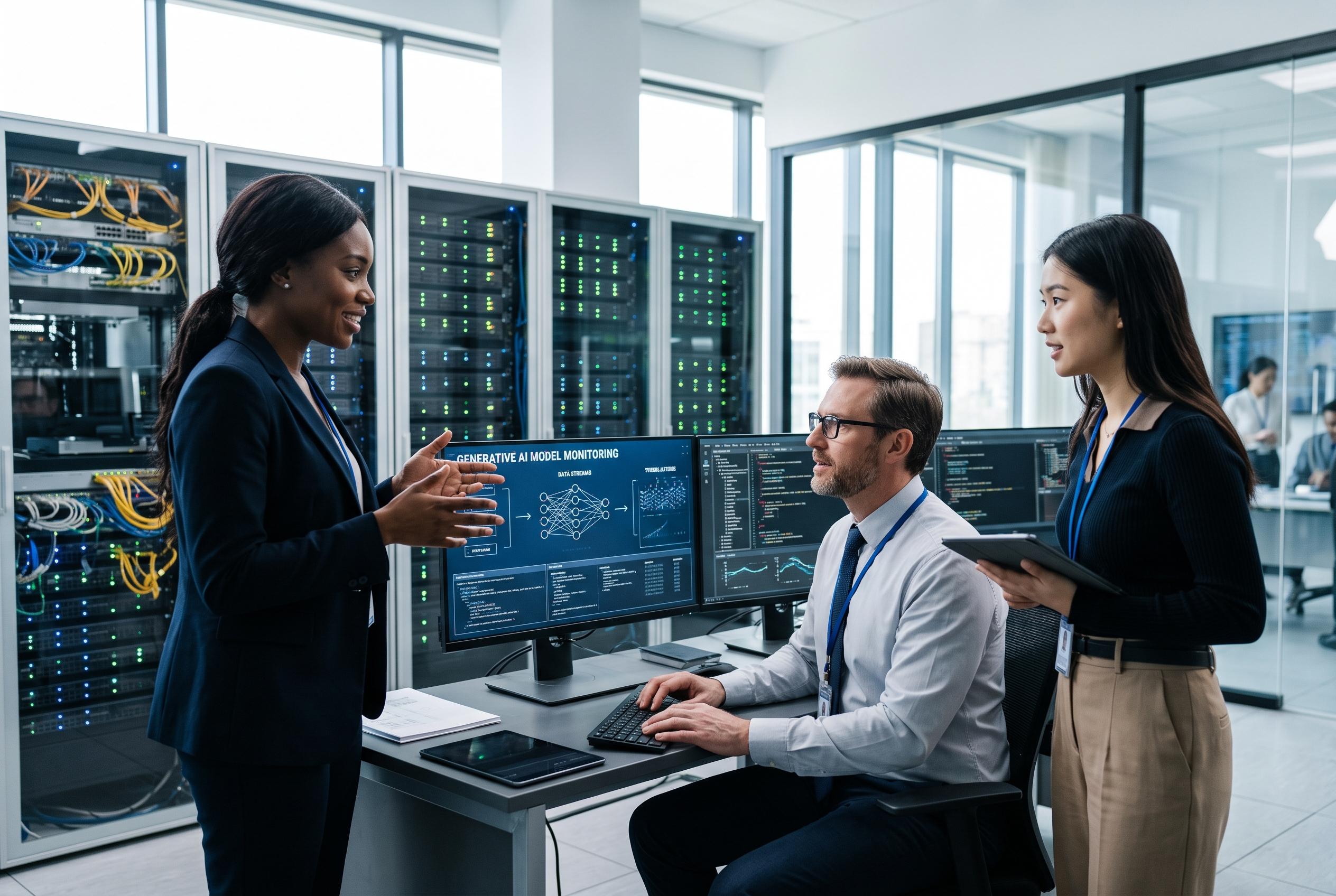

In just over two years, generative AI has transitioned from a novelty to essential infrastructure, sparking unprecedented economic potential alongside public unease over environmental, legal, and societal impacts.
Generative AI has moved from novelty to infrastructure in little more than two years, and that shift has brought both commercial enthusiasm and sharp public unease. Researchers at the University of Cincinnati say AI is already being used to analyse data, model behaviour and improve prediction, while PricewaterhouseCoopers has projected that artificial intelligence could add as much as $15.7 trillion to the global economy by 2030. At the same time, the rapid spread of tools such as ChatGPT has intensified a wider argument about whether the technology is becoming too powerful, too quickly.
The scale of the business is difficult to ignore. CNBC reported in June that OpenAI had reached $10 billion in annual recurring revenue, up from about $5.5 billion the previous year, driven by ChatGPT’s growth to more than 500 million weekly active users and 3 million paying business customers. That commercial momentum has helped push AI deeper into everyday work, including health care, finance and agriculture, where firms are using it to automate routine tasks and support decision-making. Supporters say that expansion is also creating demand for engineers, trainers, technicians and construction workers to build and maintain the data centres and computing systems behind the models.
Yet the backlash has grown in parallel. In July, activist groups in San Francisco staged what organisers described as a major anti-AI demonstration, pressing firms such as OpenAI, Google and Anthropic to slow development. Their criticism centres on the environmental cost of the systems that power generative AI, particularly the electricity and water needed to run large data centres. Environmental groups have warned that these facilities can raise utility bills, consume vast amounts of water and add to local pollution, while communities in rural parts of the United States have also begun resisting proposed developments.
Concerns over intellectual property have added another layer to the dispute. Disney, NBCUniversal and DreamWorks have all sued Midjourney, alleging that the company used protected images without permission to train and promote its system. Similar complaints have come from smaller artists, authors and musicians who say their work is being copied, imitated or folded into training datasets without consent. That tension is now extending to consumers as well, as synthetic product images, AI-written books and machine-generated music become harder to distinguish from human-made material.
The sharpest criticism, however, is emerging around mental health and safety. Families and advocates have warned that chatbots can encourage dependence, blur the line between support and therapy and fail vulnerable users in moments of crisis. Lawsuits linked to alleged harm involving teenagers have intensified calls for safeguards. The result is a much broader question than whether the technology works: it is whether society is prepared to absorb the economic gains while limiting the environmental, legal and human costs that appear to be rising alongside them.
Disclaimer: This content is intended for informational purposes only. Readers are advised to exercise their own judgement, conduct due diligence, or consult a qualified expert before acting on any information provided.