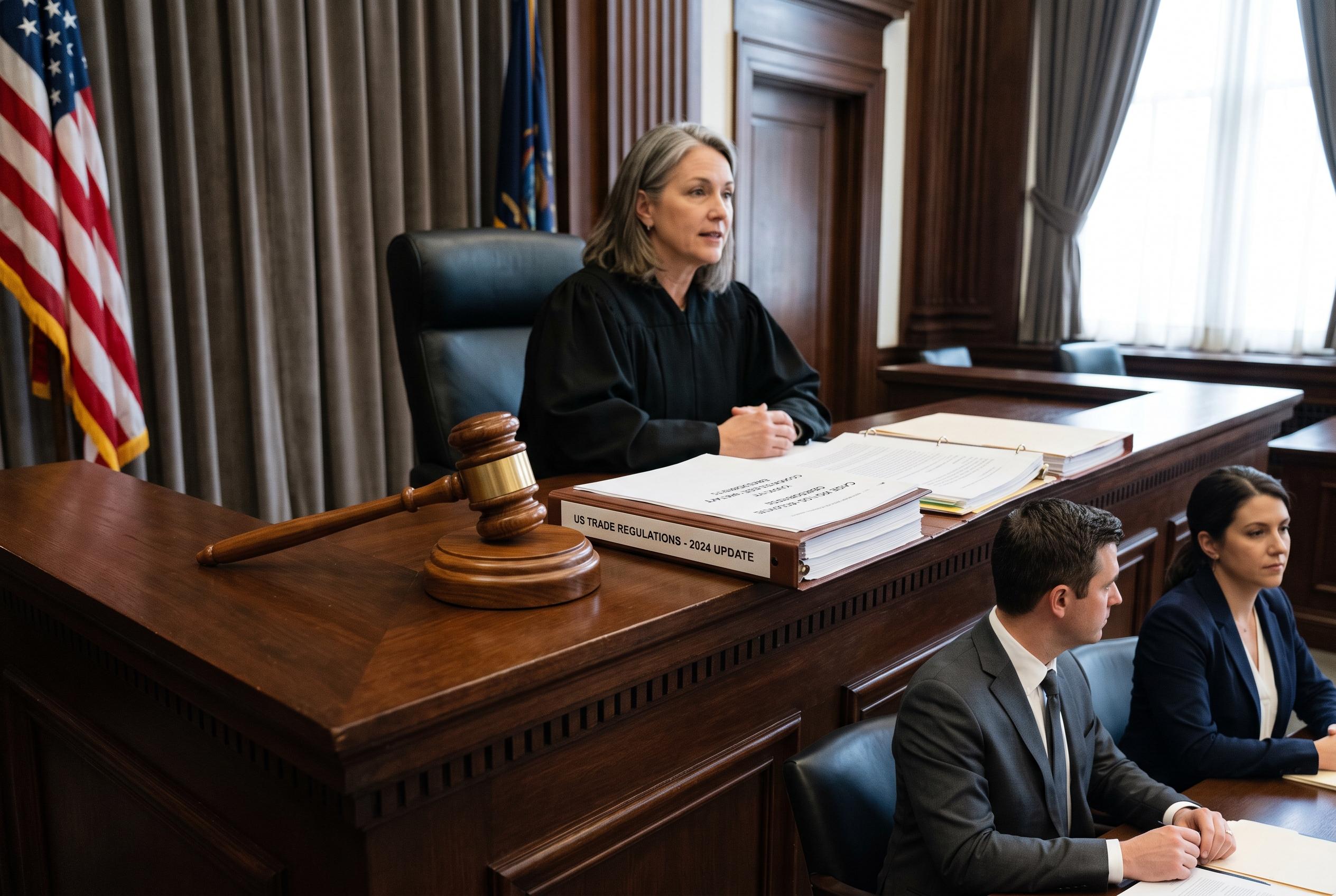

A US trade court has upheld President Donald Trump’s authority to end the long-standing de minimis exemption for low-value imports, a decision that could significantly alter the cross-border e-commerce sector and increase costs for small businesses relying on duty-free parcels.
A US trade court has upheld President Donald Trump’s authority to end the long-standing de minimis exemption for low-value imports, a ruling that could reshape cross-border e-commerce and raise costs for businesses that rely on small parcels entering the country duty-free.
According to the US Court of International Trade, the administration was within its rights to suspend the rule, which had allowed goods valued at $800 or less to enter the United States without duties and with lighter customs checks. The challenge argued that Trump could not unilaterally terminate the policy, but the court rejected that claim. Trump welcomed the ruling and described de minimis as a major loophole, saying it had been used to sidestep tariffs and move illicit goods into the country.
The decision builds on a broader policy shift first set out in a White House order on July 30, 2025, which suspended the exemption for commercial shipments from August 29, 2025. The administration said the change was intended to protect national security and the economy by closing a channel it says has been exploited to avoid tariffs and bring in prohibited products. Industry analysis published by PwC Canada and reporting from CBS News said the move meant low-value parcels would lose their duty-free status and become subject to applicable tariff rates.
The effects have already been felt across online retail and logistics. Platforms such as Shein and Temu were reported to have faced significant disruption after Washington ended de minimis treatment for goods from China, while small US businesses warned that broader removal of the exemption could lift import costs. Reuters has previously reported that the Trump administration later adjusted postal duty rates and kept the suspension in place after Supreme Court action complicated parts of its tariff agenda, underscoring that the legal fight over trade powers is still active.
Disclaimer: This content is intended for informational purposes only. Readers are advised to exercise their own judgement, conduct due diligence, or consult a qualified expert before acting on any information provided.