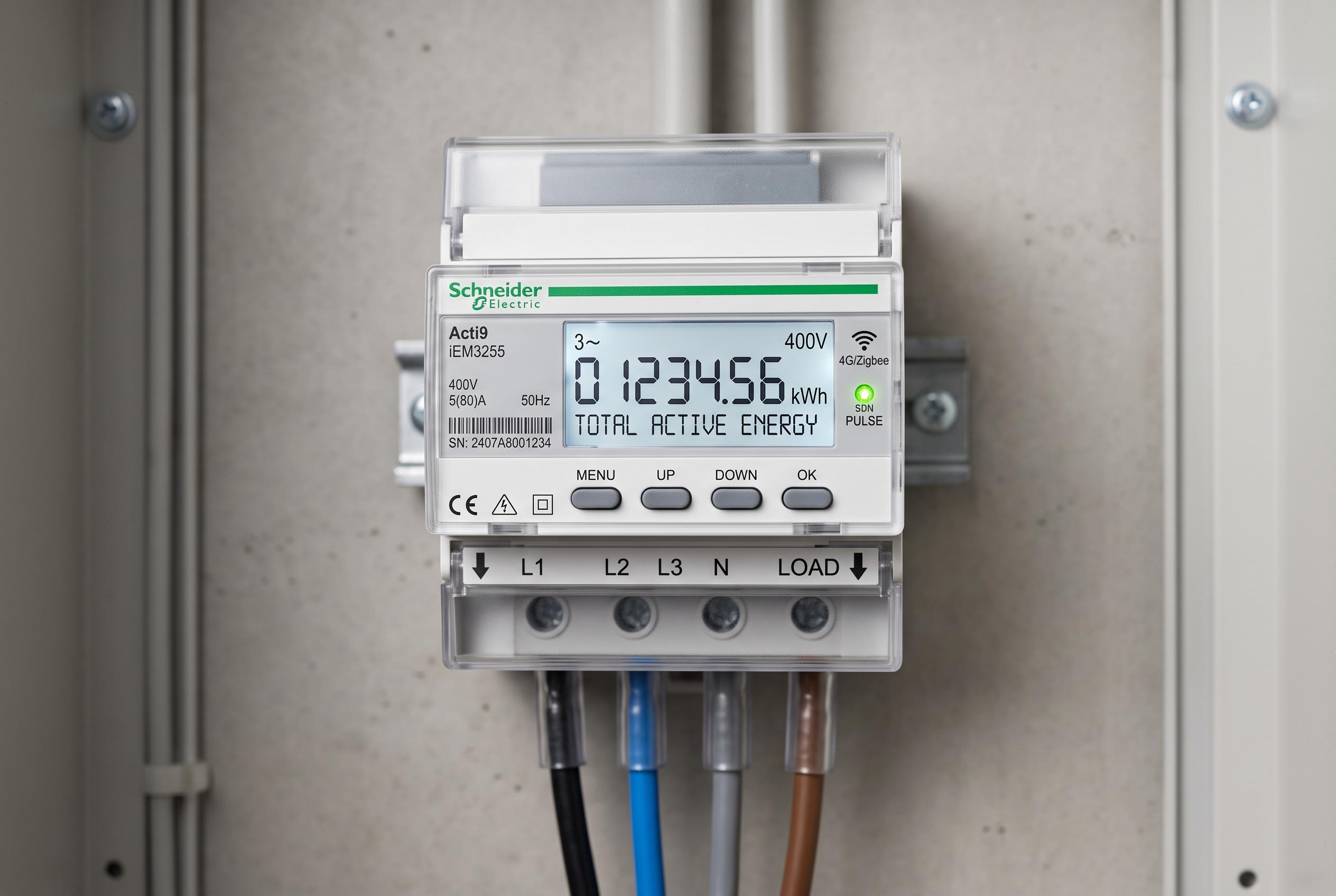

India’s Ministry of Power has ordered states and union territories to fast-track the installation of smart electricity meters nationwide, aiming to modernise the power infrastructure, enhance billing precision, and provide consumers with better energy management tools.
India’s Ministry of Power has told states and union territories to speed up the installation of smart electricity meters across all consumer categories, stepping up a nationwide roll-out that officials say is central to the modernisation of the power sector. The directive, issued by Ankita Varshney, an under secretary in the Ministry, applies to work under the Revamped Distribution Sector Scheme and to state-level metering programmes.
The move follows the Central Electricity Authority’s updated metering rules, which require electricity to be supplied through Indian Standards-compliant smart meters in areas where communication networks are available. According to the authority’s regulations, the requirement applies regardless of whether consumers are billed on a prepaid or postpaid basis, because payment mode is treated as a functional setting rather than a reason to avoid smart metering.
The rules build on draft changes notified earlier in 2026 and later finalised through an amendment to the 2006 metering regulations. In network-covered areas, smart meters are mandatory within timelines set by the central government, while areas without communication networks may use prepayment meters if the relevant state regulator approves. The framework also requires advanced metering systems to support prepayment and interoperability, and it updates arrangements for certain open-access consumers.
The Ministry says smart meters should improve billing accuracy and give households better visibility over their electricity use, including near real-time monitoring and time-of-day tariffs that can shift demand away from peak hours. For distribution companies, the roll-out is expected to improve energy accounting, load management and revenue collection. The ministry has asked state power secretaries, distribution companies, and senior officials at Rural Electrification Corporation and Power Finance Corporation to coordinate implementation, prepare action plans and submit compliance reports.
Disclaimer: This content is intended for informational purposes only. Readers are advised to exercise their own judgement, conduct due diligence, or consult a qualified expert before acting on any information provided.