
Samsung’s latest Galaxy Z Fold 8 Ultra elevates the foldable smartphone market with enhanced display, battery life, and software, but at a steep price of £1,899, marking a move from novelty to costly refinement.
Samsung’s latest folding flagship is a reminder that the category has moved beyond novelty into costly refinement. The Galaxy Z Fold 8 Ultra is the company’s first book-style foldable to carry the Ultra name, and it arrives as the more ambitious sibling to the standard Z Fold 8. According to The Guardian’s review, the device costs £1,899 in the UK, making it one of the most expensive phones on sale, even before accessories and repairs are considered.
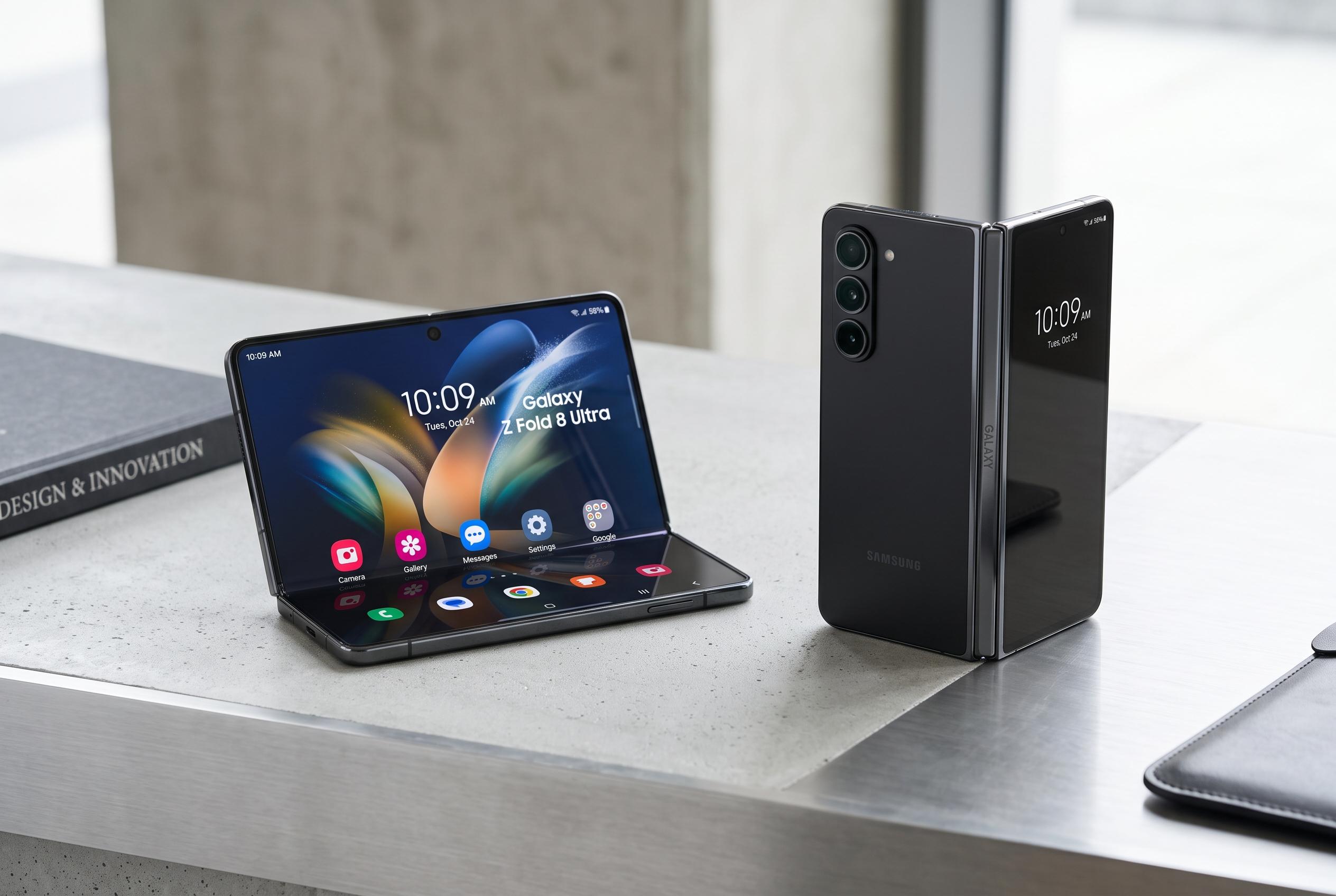
Physically, the Ultra keeps the familiar Fold formula. It is thin, light and close in feel to a conventional handset when closed, but opens into an 8in tablet-like display that is brighter and easier to read outdoors than earlier versions. The tall outer screen is useful for calls, messaging and navigation, while the inside panel is better suited to reading, web browsing and split-screen work. The crease remains visible, however, and the softer folding surface still demands more care than a standard glass phone.
Performance is strong, with Qualcomm’s Snapdragon 8 Elite Gen 5 and up to 16GB of memory giving the phone enough power for heavy multitasking. Battery life is a more meaningful step forward. The Guardian said the larger cell delivered about two days of mixed use, and T3 likewise pointed to a 5,000mAh battery and faster charging support. That places the Ultra among the longer-lasting foldables now available, although it still sits behind some rival designs in endurance.
Samsung’s software remains one of the Fold’s main advantages. One UI 9, based on Android 17, is built to make use of the large interior screen, letting users run several apps at once, open floating windows and switch cleanly between the cover display and the tablet display. The system also includes Google Gemini and Samsung’s own live information features, with software support promised until 31 July 2033, which is unusually long for an Android phone.
The camera system is improved but not class-leading. The Guardian praised the 200-megapixel main camera and the new 50-megapixel ultrawide lens, especially for detail and close-up shots, but said the 10-megapixel 3x telephoto camera is comparatively weak. Tom’s Guide reached a similar conclusion in a comparison with the Galaxy S26 Ultra, saying Samsung’s slab flagship still wins on low light, portraits and long-range zoom. TechRadar and Android Central also found that, while the Fold 8 Ultra is the stronger camera foldable, rivals can still outperform it in some real-world shooting conditions.
That leaves Samsung’s best folding phone as a polished but expensive proposition. It is not a dramatic overhaul of the previous model, and the Ultra branding looks more like positioning than a wholesale reinvention. Even so, the combination of a usable outer screen, a genuinely capable inner display, improved battery life and refined software makes it the most complete folding Android phone Samsung has built so far.
Disclaimer: This content is intended for informational purposes only. Readers are advised to exercise their own judgement, conduct due diligence, or consult a qualified expert before acting on any information provided.