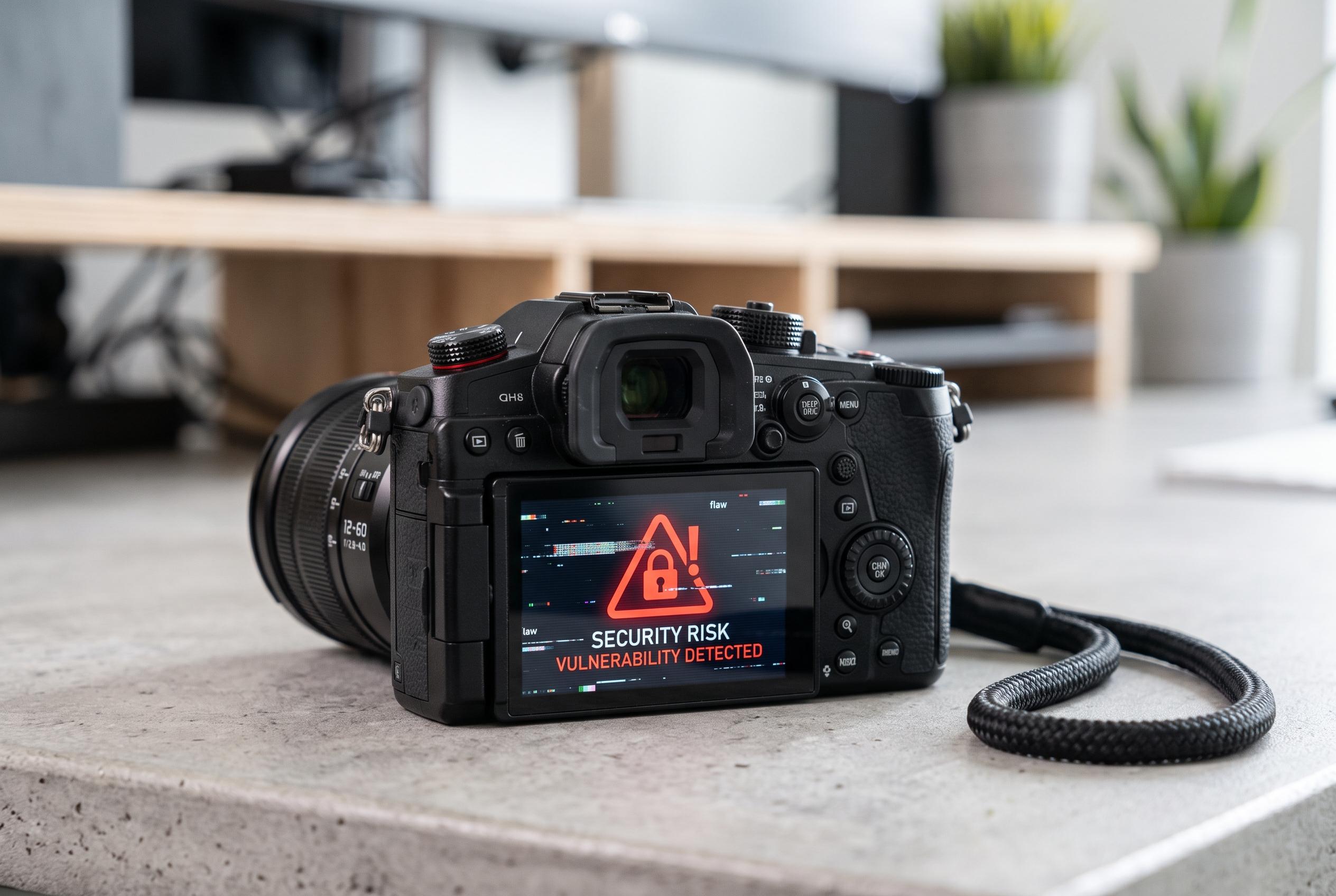

Concerns over disguised and unsecured cameras growing as authorities warn of potential privacy invasions and cyber attacks, urging users to adopt stronger security measures.
Camera security is becoming a privacy issue as much as a technical one. In Quang Ninh, police have warned that disguised cameras sold online can be used to intrude into private spaces, while cybersecurity specialist Vu Ngoc Son says even legitimate home and business cameras should be treated as connected computers that need active protection.
The concern is not limited to devices hidden in everyday objects. Cameras disguised as plug sockets, light bulbs, Wi-Fi routers, phone chargers, tissue boxes or even shampoo bottles can be difficult to spot in hotels, guest houses, homestays, rented flats and changing rooms, where people reasonably expect privacy. Once such devices are connected to the internet, footage and audio can be accessed remotely and, if misused, can be used for blackmail, harassment or other offences.
That risk is not confined to covert devices. Consumer Reports has previously identified security flaws in home video doorbells and security cameras from several major brands, showing that consumer devices can expose sensitive information such as email addresses and Wi-Fi passwords if they are poorly secured. Other security analysts have warned that unauthorised access to live or recorded feeds, as well as interception of transmitted data, can turn a camera into a gateway into a wider home network.
Son argues that the main weakness is often not the hardware itself but the way it is managed. Cameras usually run around the clock, yet many owners never update their firmware, change default credentials or review who can access the system. Weak passwords, reused passwords, shared logins and accounts left active after installation work all create openings for attackers. If the cloud server or management platform is compromised, the risk extends beyond the camera to the data it stores and streams.
The scale of the problem is also visible in the market for exposed devices. Son cited research showing that in 2020 about 70% of cameras in Vietnam had not had their passwords updated. He also said hackers were advertising access to Vietnamese camera systems in 2023, including networks containing more than 100,000 cameras, while one older case involved a website claiming to show live access to about 730,000 cameras worldwide, including more than 1,000 in Vietnam.
Police in Quang Ninh advise people not to buy, use or advertise concealed recording devices unless they are legally permitted to do so. Travellers and tenants are urged to inspect unfamiliar fittings and objects, especially where something appears out of place. If there is suspicion of hidden surveillance, authorities say people should avoid tampering with the device and report it so evidence is preserved.
For ordinary users, the basic safeguards are well established. Choose cameras from identifiable suppliers, check where video is stored and who can reach it, replace factory passwords immediately, use strong unique logins and enable two-factor authentication where possible. Son also advises limiting access to the minimum necessary and applying security patches regularly. The broader lesson is simple: a camera installed to improve safety can become a tool for intrusion if it is hidden, neglected or left unsecured.
Disclaimer: This content is intended for informational purposes only. Readers are advised to exercise their own judgement, conduct due diligence, or consult a qualified expert before acting on any information provided.